Follow Us on Google
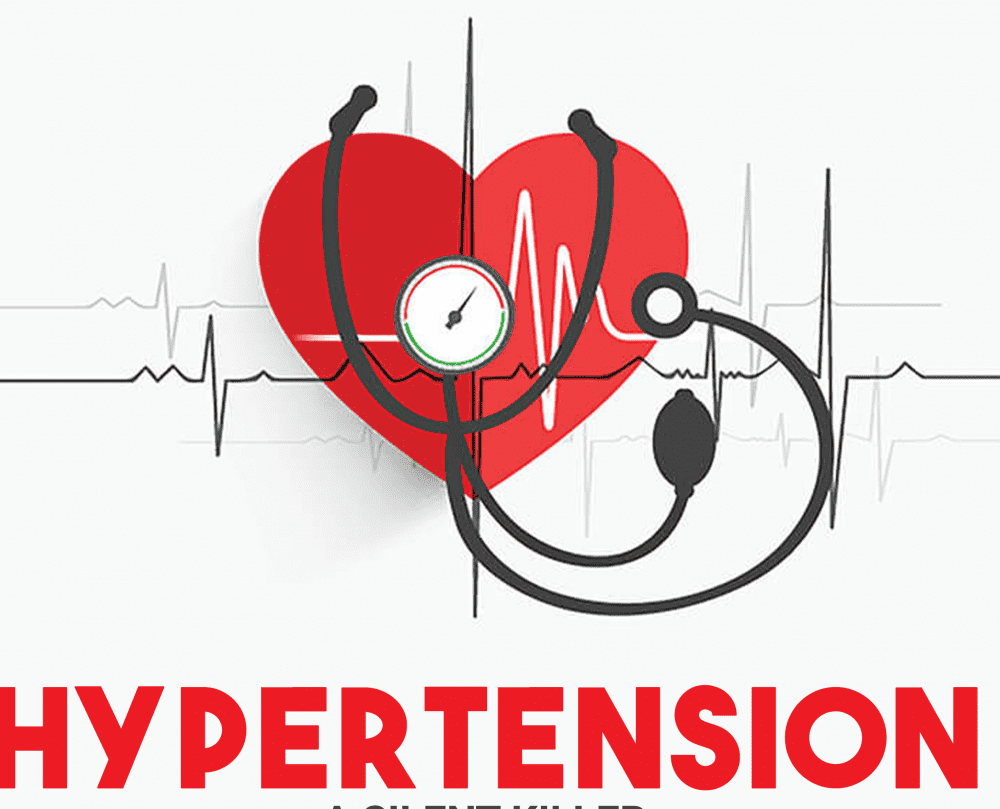
The State of Health of the Nation Report has shown that about 35 to 40 per cent of Nigerian adults live with hypertension. This means that four in 10 Nigerian adults have hypertension, which is often referred to as a “silent killer.” The report released by the Federal Ministry of Health and Social Welfare in Abuja recently revealed that hypertension prevalence in the country has been exacerbated by mental health and substance abuse, particularly among men.
The annual report produced in line with the National Health Act (2014) showed that while modest progress has been made in controlling the non-communicable disease, significant gaps still exist in early diagnosis, prevention and access to treatment. Nevertheless, the report equally acknowledged that while the prevalence of hypertension remains alarmingly high, public awareness of hypertension and other cardiovascular diseases improved in 2025 compared with 2024.
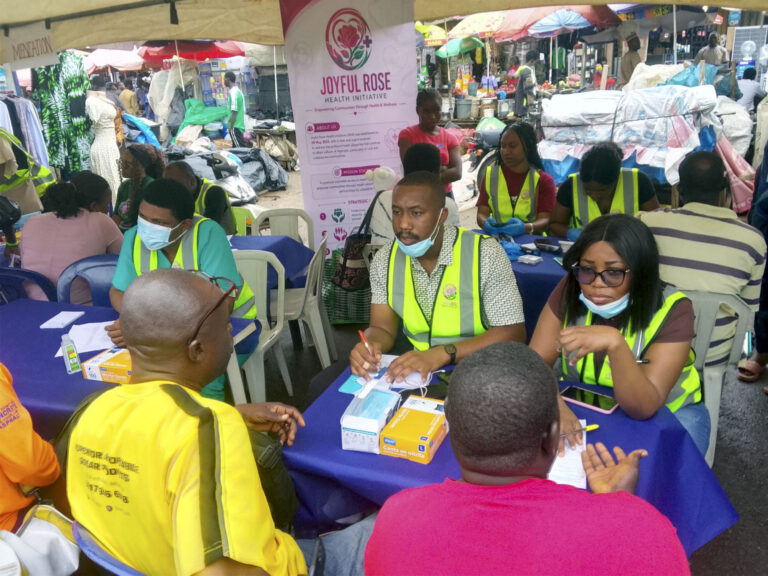
To reduce hypertension, routine blood pressure checks must be intensified in government and private health facilities across the country, especially in all the nation’s primary health care facilities located in the 774 local government areas. Public awareness about causative factors of the condition, preventive measures and management options should be carried out. All tiers of government must step up efforts geared towards educating Nigerians on the dangers associated with untreated hypertension, which include stroke, heart disease and kidney failure. However, lifestyle modification, which is essential to managing high blood pressure, should not be overlooked.
According to medical experts, hypertension or high blood pressure is a “silent killer” where blood forces against artery walls too heavily, often causing no symptoms until damage occurs. It is caused by genetic, environmental and lifestyle factors like smoking, high salt, or lack of exercise. It is treated with medications and lifestyle changes such as diet, activity to prevent heart disease, stroke and kidney disease.
Available data from the World Health Organisation (WHO) show that an estimated 1.4 billion adults aged 30-79 years worldwide had hypertension in 2024. This represents 33 per cent of the population in this age range. Also, two-thirds of adults aged 30-79 years who have hypertension live in low and middle-income countries. Unfortunately, an estimated 600 million people with hypertension (44 per cent) are unaware that they have the condition. Instructively, 650 million adults with hypertension (44 per cent) are diagnosed and treated. Similarly, 320 million adults with hypertension (23 per cent) have it under control. The global health agency says that hypertension is a major cause of premature death worldwide. It is important to note that one of the global targets for non-communicable diseases is to reduce the prevalence of uncontrolled hypertension by 25 per cent between 2010 and 2025. Sadly, nothing has so far indicated that this target was met.
Other News
Hypertension or high blood pressure is when the pressure in your blood vessels is too high (140/90 mmHg or higher). It is common but can be serious if not treated. The condition may not elicit symptoms. The only way to know that one has it is to go for high blood pressure checks. However, things that increase the risk of high blood pressure include old age, genetics, being overweight or obese, not being physically active, high salt diet and drinking too much alcohol. At the same time, engaging in lifestyle changes like eating a healthier diet, quitting tobacco and being more active can help lower high blood pressure. In some instances, some people may still need to take some medications.
While hypertension has no symptoms, people with high blood pressure (usually 180/120 or higher) can experience symptoms including severe headaches, chest pain, dizziness, difficulty breathing, nausea, vomiting, blurred vision or other vision changes, anxiety, confusion, buzzing in the ears, nosebleeds, and abnormal heart rhythm.
Also, lifestyle changes that can help lower high blood pressure include eating a healthy low-salt diet, losing weight, being physically active and quitting tobacco. Doctors advise that eating more vegetables and fruits and avoiding sitting less can help to prevent and lower high blood pressure. In the same vein, being more physically active, including walking, running, swimming, dancing or activities that build strength, like lifting weights can also help to lower high blood pressure. Above all, people are enjoined to reduce and manage stress, regularly check their blood pressure, treat high blood pressure and manage other medical conditions. They should also reduce exposure to polluted air.
There is need to address the mental health of Nigerians, especially the men. Let mental health be integrated into the primary health care system. Since drug abuse worsens hypertension in men, the National Drug Law Enforcement Agency (NDLEA) and other stakeholders should intensify the enlightenment campaigns against substance abuse across the country. The health authorities should work steadfastly to bridge the gap in diagnosis, prevention care and enhance access to treatment. Although hypertension is a silent killer, it is never a death sentence. When detected early, it can be managed and treated.