Follow Us on Google

By Ngozi Nwoke
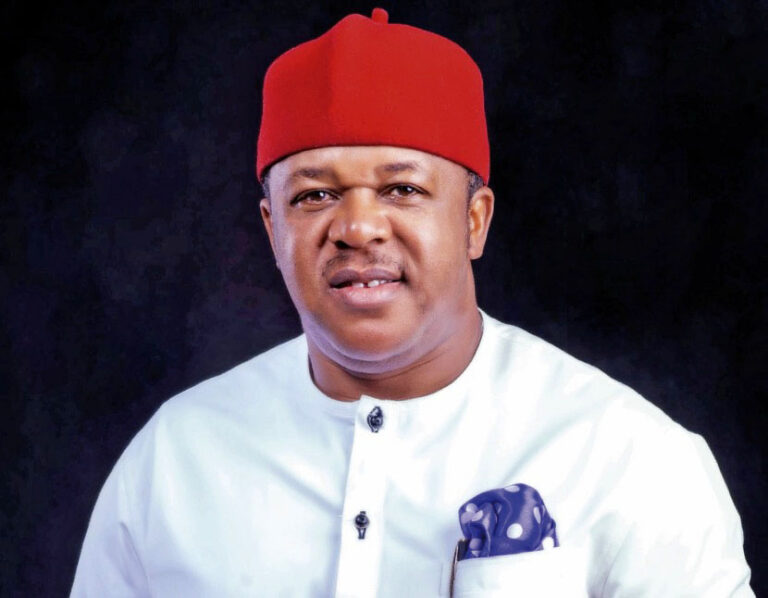
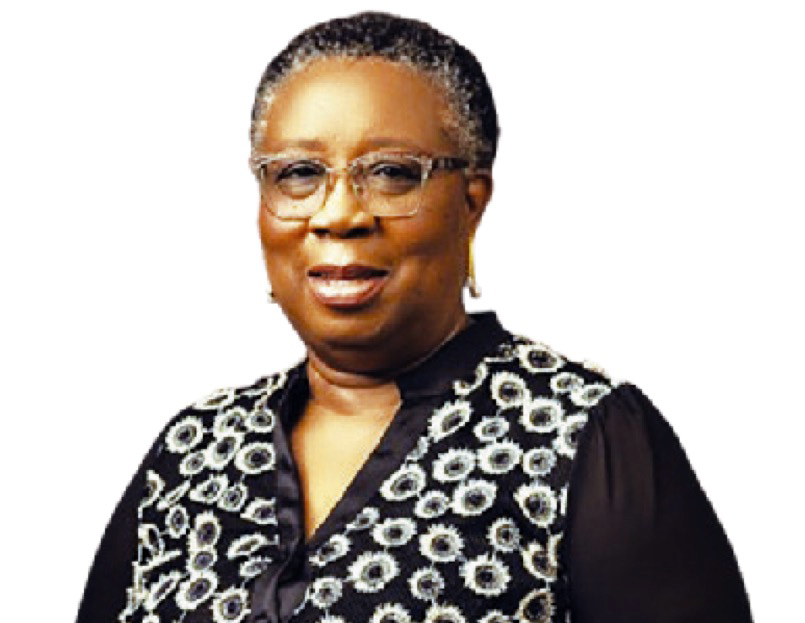
Folasade Adefisayo is a former Commissioner for Education, Lagos State. She said her main focus during her administration was to provide equitable education for all children in the state irrespective of socio-economic status, gender or ability.
In this interview, she shared her journey from 16 years in banking and private education into public service as Lagos State’s Commissioner for Education.
She emphasised that success in government requires more than technical skill, understanding systems, relationships, and civil service culture.
She advised aspiring female public servants to align with leadership priorities and find a mentor.
You were appointed Commissioner for Education in Lagos State after over 40 years in HR and education leadership. What prompted that transition into public service at that stage of your career, and what did your first 90 days in office look like?
I actually started my career as a banker and worked for 16 years in the finance sector before I went into education. The transition into the public education space was before I became a Commissioner. I had always worked in private education, particularly in high-end schools.
However, in 2016, I was invited by a state to manage a public model school. This experience really opened my eyes to the challenges of public education, particularly from the perspective of the Nigerian child. When I was later invited into public service, I felt it was a logical transition. My first 90 days taught me one of the most important lessons of public service; technical competence alone is insufficient.
Understanding systems, relationships, and the culture of government was equally critical. In short, it involved a lot of learning of the system, and there was much to learn. The practices of the civil service and government are very different from the private sector, and I had to understand and appreciate this new way of working. In addition, I had so many courtesy visits, and these really affected my productivity, and I had to learn ways to manage this. I quickly learned that leadership in government requires patience and influence as much as execution.
As a woman stepping into a high-profile political role, what were the biggest assumptions or expectations you had to navigate about leadership and gender?
I had led organisations for many years, so leadership was not new to me. I also studied leadership over many years, and I had developed strong grounding in leadership principles – to have a vision that is shared with all stakeholders, to build a performing team, to develop a strategic plan, and to implement that plan.
The reality on the ground was a bit different and very complex, although these principles still applied. There were many stakeholders, many more than I anticipated. The political class, the party, the other branches of government, other ministries, the public, private schools, parents, development partners, education activities, and so on. This required a lot of study in order to understand how to relate with all of them. Concerning gender issues, I really did not encounter any serious gender issues, maybe because many educators are women, and mothers are generally more active with their children’s education.
Equitable education for all children was your core focus. What were the structural and cultural barriers you encountered in trying to make that a reality in Lagos State?
The major structural barriers were inadequate number of public schools.There are just over 1,000 public primary schools in a state with population in excess of 20 million. There are many communities without public schools and new schools had not been established for many years. There were at least 18,000 private schools in the state, but most charge fees, and are not available for the very poor.
Quality issue was another major barrier. Too many children were not learning at age appropriate levels, and there was a lot of research that confirmed this. The quality of teaching was inadequate, and class sizes were very large. Another major barrier is the explosive population growth in Lagos State. The pressure on services, including existing schools, was tremendous. This was exacerbated by the inadequacy of schools in many of the new communities in the state.
This tremendous growth rate has still not abated. The impact of the COVID pandemic was also significant. Many children encounter abuse during the lockdown, learning loss was high despite all efforts to continue teaching and learning, the poverty level deepened, and some children did not return after the pandemic. There were also significant cultural barriers, including gender norms. Although trends showed that most girls start school, there was attrition due to early pregnancy and the need to work to feed their families.
Other News
The boy child was similarly affected as many of the children in public schools have to work leading to high absenteeism and lateness to school. There were other poverty-related issues. Though tuition is free, there are many attendant costs to attending school, which includes the cost of transportation, feeding, school uniforms, textbooks and other resources. These are unaffordable for many families. All these factors contributed to a lot of attrition from the public schools and a growing population of out of school children.
In your experience, what specific challenges do women face when moving from the private sector and civil society into public office in Nigeria?
The challenges are mainly cultural. The way businesses are run is very different from the public service and navigating political dynamics can be very tricky and may involve quite a steep learning curve. Some of these challenges include navigating the very male-dominated political networks, limited mentorship of women by other seasoned female politicians and balancing family expectations.
Were there moments when your gender influenced how your ideas or authority were received in government? How did you handle those situations?
Fortunately, I did not encounter overt gender barriers. However, public leadership requires navigating perceptions and expectations, and women often face additional scrutiny around communication styles, decisiveness and balancing competing responsibilities. I found that competence, preparation, and relationship building was important in establishing credibility.
You have worked across education management and public policy. What skills from those sectors proved most valuable in driving reform as Commissioner?
The bulk of my early career, as I stated above, was in finance, so in addition to a few years in HR and administration, I picked up many portable skills. These include writing skills, communication, social skills, emotional intelligence, leadership, financial intelligence, board relationship management, technical HR and administrative skills, etc. I also picked up a lot of interest and skills in technology and research.
For young women who aspire to join public service but worry about the political environment, what practical advice would you give them based on your journey?
One will always need to understand the vision and priorities of the leaders you serve and align your work accordingly. Ensure that whatever you do, ensure that this officer is your number one priority. I will never forget the support given to me by Mr. Governor – Mr Babajide Sanwo-Olu and the Deputy Governor Dr. Kadiri Obafemi Hamzat. I would advise that they understand the dynamics of the political and governance terrain.
They should get themselves a mentor who can support them, have their back in all situations, and point them to how to manage all political stakeholders. I did not find it easy to do this, and it really affected me. Concerning the civil servants they work with, they should study them and understand their strengths and weaknesses. Come in with an open mind and do not let the stories about them influence how you relate with them.
Many are very knowledgeable, and they are experts in their field. Do take the advice of your direct reports and ensure that you review files carefully with all sense of responsibility. Never forget the public and ensure they are carried along and that whatever you do, they are the focus of why you are in government. You are meant to serve the people and must not forget this.
Looking back, what do you consider your most significant contribution to Lagos State’s education system, and what would you still like to see changed to address Nigeria’s learning crisis?
One of my priorities was creating a collaborative ecosystem that brought together government agencies, school leaders, development partners, foreign governments, and the private sector. I was always concerned with learning outcomes, and I will always appreciate how I worked with my Permanent Secretaries and school principals to design strategies to improve results through data collection and analysis, teacher training, parent involvement, provision of resources, and support in many ways by private sector volunteers and consultants. As a result, WAEC results improved significantly from about 40 per cent to over 80 per cent.
There was significant investment in setting up new schools, particularly novel structures in using containers to quickly build schools. There was also significant investment in rebuilding existing schools and construction of furniture across the state. During COVID, we had a very challenging period, and schools were closed down, but we were able to continue teaching and learning. We collaborated with radio and TV stations to broadcast classes.
We also got online and received free access to learning portals for our students. It was amazing that the vendors provided these facilities for free. Notable was a network provider who gave us free phones and data, so that students undergoing abuse of various sorts could call in and talk to a counsellor who would be able to get resources and help for them. I am also very pleased with the review of the curriculum and inclusion of 21st-century skills. This was also collaboration with other technical organisations.
Other strategies included the introduction of comprehensive schools, which were schools that offered, in addition to usual subjects, technical and vocational training. Teachers got deserved awards annually, including cars. Increase in running costs for all schools and also providing running cost support for primary schools, which were the direct responsibilities of local governments.
Eko Excel was support for teaching, learning, and assessment in primary schools. While progress was made, Nigeria’s learning crisis still requires greater investment in foundational literacy, teacher quality, school infrastructure, and equitable access.