Follow Us on Google
From Juliana Taiwo-Obalonye, Abuja
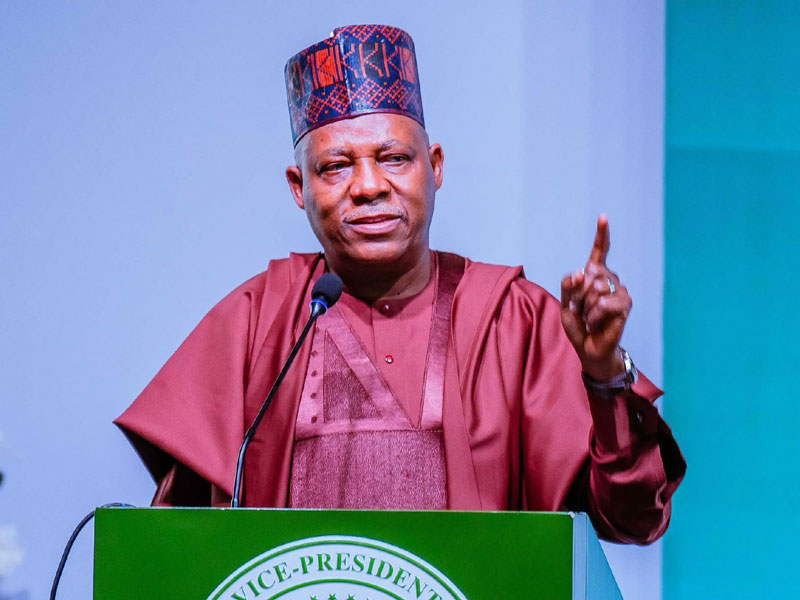
Vice President Kashim Shettima has emphasised that reviving Nigeria’s railway services is essential for the country to sustain its status as Africa’s premier logistics hub.
Speaking at the opening of the 2nd International Railway Conference in Abuja on Monday, Shettima underscored the need for strong partnerships and collaboration among stakeholders to fully capitalize on opportunities within the railway sector, according to a statement issued by his media aide, Stanley Nkwocha.
The Vice President highlighted the President Bola Tinubu’s administration as the driving force behind the ongoing railway modernization projects. “The challenge ahead of us is to lead this race as the logistics hub of Africa by reviving and revitalizing our railway services,” Shettima said.
He pointed out Nigeria’s strategic position as the anchor of West Africa’s economy and the continent’s most populous nation, stressing the importance of adopting modern railway infrastructure to maintain this lead.
Shettima referenced specific projects such as the Kano–Maradi railway modernization, calling it a gateway for enhanced trade under the African Continental Free Trade Area agreement.
He also tied these initiatives to the government’s broader Renewed Hope Agenda aimed at easing the overburdened road network that has suffered congestion, infrastructure deterioration, and high accident rates over decades of heavy reliance.
“Railways offer safer, cheaper, and more environmentally friendly alternatives, reducing carbon emissions and reinforcing our commitment to sustainable development,” he added, cautioning that the path to maximizing the railway sector’s potential would demand robust collaboration. “This is why our ongoing modernisation projects—Lagos to Kano, Kano to Maradi, and Port Harcourt to Maiduguri—are designed with open doors for private sector participation,” Shettima said, emphasizing the importance of timely completion, sustainability, and efficiency.
Reaffirming President Tinubu’s vision, the Vice President stated, “His Excellency has demonstrated, time and again, our national determination to connect our cities through roads and railways. Our aspiration is for a nation where industries can convey their products to the market, and where raw materials can move seamlessly from primary producers to industries without hindrance.”
Other News
Shettima described the railway conference as a critical platform for stakeholders to exchange ideas and develop practical strategies for Nigeria’s transport infrastructure growth. He praised the Federal Ministry of Transportation, De-Sadel Nigeria Limited, and the Abuja Chamber of Commerce and Industry for organizing the event and fostering global partnerships.
Other speakers at the conference echoed this vision. Secretary to the Government of the Federation, Senator George Akume, called the High-Speed Rail (HSR) project a bold, visionary effort reflecting Nigeria’s commitment to transforming its public transportation system. He said the project aligns with the Renewed Hope Agenda, prioritizing infrastructure for inclusive growth and national integration.
Minister of Transportation Senator Said Alkali highlighted the transportation sector as an economic growth enabler, pointing out the recent Federal Executive Council’s approval of ultra-modern bus terminals across Nigeria’s six geopolitical zones to improve public safety and passenger welfare. He described railways as vital for national unity and urged fast-tracking public-private partnerships in the sector.
Minister of State for Petroleum Resources (Gas), Ekperikpe Ekpo, stressed synergy between railway development and Nigeria’s gas potential, which supports reliable electricity for rail infrastructure under the Renewed Hope Agenda’s sustainable energy goals.
Director-General of the Bureau of Public Procurement, Adebowale Adedokun, described the conference as a turning point for Nigeria, vowing to facilitate speedy approvals and ensure accountability to attract foreign investment in line with the administration’s objectives.
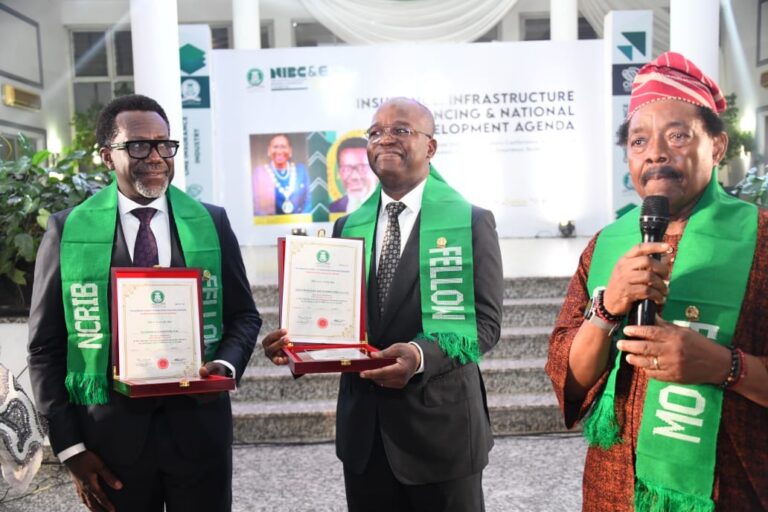
Distinguished guests at the invent included Minister of Budget and Economic Planning Atiku Bagudu, Minister of Steel Development Shuaibu Audu, Senate Committee on Land Transport Chairman Adamu Aliero, and traditional rulers such as the Obi of Onitsha, His Majesty Nnaemeka A. Achebe, and the Ooni of Ife, His Imperial Majesty Adeyeye Enitan Ogunwusi.
They were also representation from other African countries and international organizations.