Follow Us on Google
Let law take its course
_________________________________________________________________________
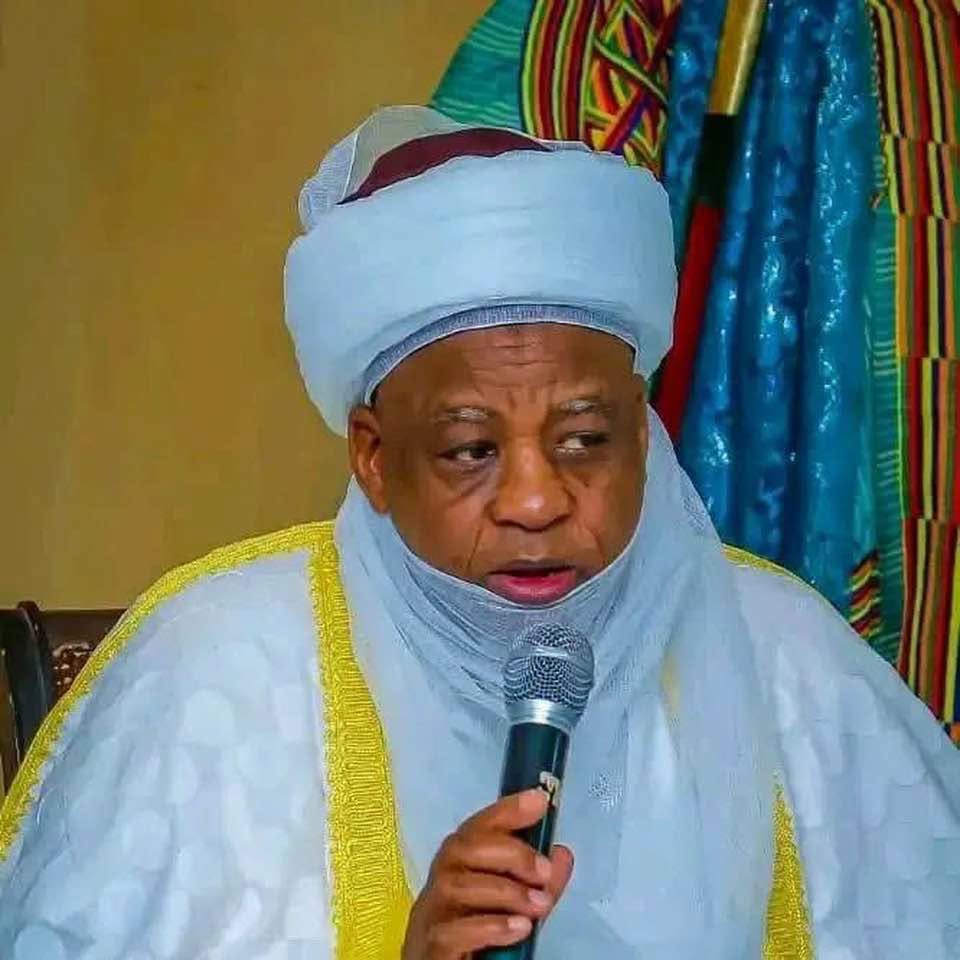
The Sultan of Sokoto, Alhaji Muhammad Sa’ad Abubakar, has charged religious leaders to stop shielding corrupt persons, regardless of their religious, political or social status, insisting that the law must take its course against anyone found culpable.
The Sultan spoke on Wednesday at the meeting of the Nigeria Inter-Religious Council (NIREC) in Abuja, themed “Shared Sacred Flourishing in Nigeria.”
He encouraged religious leaders not to protect corrupt individuals because they were pastors, imams, friends, relatives or influential members of their communities.
“Let the Economic and Financial Crimes Commission (EFCC) go after such persons, whoever they are, and deal with them according to the law,” the Sultan said.
He also condemned the practice of stealing public funds and subsequently using the proceeds for religious purposes, including sponsoring pilgrimages.
The Sultan insisted that religious leaders must confront corruption because it is contrary to the teachings of both Christianity and Islam.
His position was, however, echoed by the President of the Christian Association of Nigeria (CAN), Archbishop Daniel Okoh, who called on religious leaders to use their influence to promote justice, reconciliation and the common good.
Okoh said the theme of the meeting should move Christians and Muslims beyond merely managing their differences to working together to build a society where human dignity is protected, vulnerable people are cared for and justice is upheld.
He stressed that “shared sacred flourishing” did not mean Christians and Muslims abandoning their distinct beliefs, but drawing on common values such as love, compassion, mercy, justice, forgiveness and service for the good of society.
Okoh identified insecurity, poverty, unemployment, inequality and communal tensions as challenges requiring a shared sense of responsibility.
He urged Christians and Muslims to cooperate in peacebuilding, education, youth development, humanitarian assistance, poverty reduction and ethical leadership.
The CAN president quoted Jeremiah 29:7: “Seek the peace of the city, for in the peace thereof shall ye have peace.”
Also speaking, Prof. Is-haq Oloyede presented an anti-corruption manual developed through collaboration between the Economic and Financial Crimes Commission (EFCC) and religious leaders.
Other News
Oloyede said the initiative was designed to tackle corruption not only through law enforcement but through moral and value reorientation.
He traced the initiative to the National Interfaith Forum on corruption held in August 2007, after which the EFCC constituted an Interfaith Anti-Corruption Advisory Committee comprising scholars, theologians and clerics.
The first manual was launched in December 2014 and provided sermon outlines, teaching guides and scriptural commentaries for use in churches, mosques, Sunday schools, madrasahs and other educational settings.
Oloyede said the revised edition, launched in January 2024, expanded its focus to emerging threats including youth cybercrime, money laundering, illicit financial flows and vulnerabilities within religious institutions.
He said the manual was intended to shift the anti-corruption campaign from merely arresting and prosecuting offenders to preventing corruption through character formation in homes, schools and places of worship.
He urged religious leaders to incorporate anti-corruption messages into sermons, Friday khutbahs, youth programmes, seminaries, Bible colleges and madrasahs.
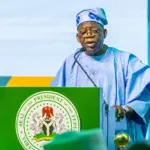
Meanwhile, the Secretary to the Government of the Federation (SGF), Senator George Akume, in his speech urged NIREC to deploy its influence to strengthen national security and prevent political and religious tensions ahead of the 2027 general elections.
Akume, who conveyed President Bola Ahmed Tinubu’s message to the gathering, said the government was strengthening intelligence gathering, rapid response and security around soft targets, including churches, mosques, schools and markets.
He, however, stressed that security was a collective responsibility and called on religious and traditional leaders to condemn banditry and terrorism without religious or ethnic considerations.
Ahead of the 2027 general elections, Akume said NIREC would convene state-level forums involving police commands, INEC officials and religious representatives to identify flashpoints and promote peaceful elections.
He also urged religious leaders to support “peace caravans,” mobilise youths and women as peace advocates and counter social media misinformation targeting religious groups. “Politics belongs in the ballot, not at the altar or mosque,” he said.
Akume also called for stronger cooperation between NIREC and security agencies through liaison desks at strategic locations for real-time sharing of threat information.
He said peace was essential to development, noting that insecurity discourages investment and prevents parents from confidently sending their children to school.