Follow Us on Google
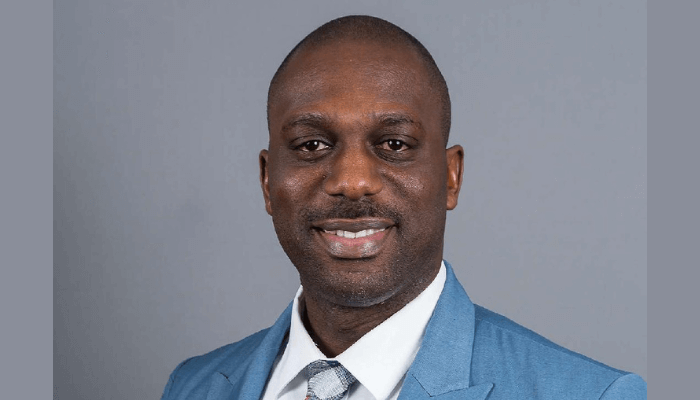
By Ayo Owodunni
I had the privilege of attending an event with a Member of Parliament in Canada (the equivalent of a Senator in Nigeria). As we walked through the venue, we passed an 8-year-old child. I smiled, said hello, and shook the child’s hand—a simple, polite gesture.
But her approach was different.
She knelt to the child’s eye level, looked him in the face, and said, “You can be anything you want in Canada—even the Prime Minister.” It blew me away.
In another moment, while having lunch with this same Member of Parliament at a coffee shop, she interacted with an immigrant working behind the counter. With a warm smile, she said, “We are so glad to have you here in Canada.”
Two different moments. Two different people. But one consistent theme: this senator was on a mission. She was intentional with her words and actions.
The word intentional means doing something with purpose or deliberate effort. It’s about actions that are planned, conscious, and not accidental. Its Latin root, intend re, means “to stretch toward”—to direct one’s attention or purpose toward something meaningful.
Unfortunately, many leaders don’t lead this way. Too often, leadership is reduced to hitting KPIs, meeting deadlines, and pushing teams to deliver results. While these are important, they are not enough. Truly transformational leaders understand a profound truth: you can hit your KPIs faster, help your department succeed quicker, and enable your organization to thrive—simply by being intentional about developing the people around you.
So, how do you become a more intentional leader? Here are three practical steps you can start taking today.
Be intentional with your words
Words are powerful. They can build or destroy. They can inspire courage or plant seeds of doubt. Unfortunately, some leaders misuse this power. I once knew a leader who believed his sharp, cutting words “kept people in line.” He thought he was instilling discipline. What he really created was a culture of fear, bitterness, and disengagement.
On the other hand, I’ve also seen words change lives. Many years ago, a mentor looked me in the eye and said, “You could be the first Black councillor in the history of this city.” At the time, the idea terrified me. No one else had done it before. But his words planted a seed of belief that eventually grew into action. His intentional words shaped my journey.
This week, use your words to speak life into someone on your team. Offer a compliment. Call out potential. Say something that stirs belief in a future they may not see yet. Because long after your words leave your lips, they continue to echo in someone’s mind.
Be intentional with your actions
Fifteen years ago, I met a mentor in Lagos who made a quiet pact with himself: “Every driver or executive assistant who works with me will become a manager within two years.”
He didn’t just say it, he acted on it. He helped them upgrade their wardrobe so they could look the part. He encouraged them to join Toastmasters to improve their communication skills. He recommended them for opportunities that stretched their abilities.
Within a few years, many of them had indeed moved into management roles. And as they grew, so did their loyalty and commitment to his vision. So here is a challenge for you – Identify one person in your circle you can intentionally invest in. Maybe it’s a team member, a junior colleague, or even a peer. Take one concrete action this week to help them grow—whether it’s a recommendation, a resource, or a conversation that nudges them forward.
Be intentional with your presence
Your presence speaks before you say a word. The energy you bring into a room—whether positive or negative—sets the tone for everyone else.
Have you noticed how teams often begin to mirror their leaders? Sometimes it’s in the way they talk, the clothes they wear, or even the confidence they carry. Presence is contagious.
But intentional presence isn’t just about style; it’s about substance. It’s about showing up fully—physically, emotionally, and mentally. It’s about listening without distraction, making people feel seen, and signaling that they matter. Here is my third challenge for you this week. The next time you walk into a meeting, check your energy. Be the kind of presence that elevates the room. Show up in a way that people are glad you’re there.
Why intentional leadership matters
When leaders lead without intention, they may still achieve results—but often at the cost of trust, loyalty, and long-term impact. Intentional leaders, on the other hand, leave a legacy. They don’t just develop strategies; they develop people. They don’t just chase goals; they create environments where others thrive.
And here’s the beautiful thing: intentional leadership is not about grand gestures. It’s about small, deliberate actions that accumulate over time. A word of encouragement. A thoughtful investment in someone’s growth. A consistent presence that models what excellence looks like.
As I think back to that Member of Parliament, I realize her actions weren’t accidental. She wasn’t just being “nice.” She was designing impact—one child, one immigrant, one interaction at a time.
What about you? When people experience your leadership, do they feel seen, valued, and inspired to grow? Or do they simply feel managed?
John C. Maxwell said it best: “The best leaders are intentional. They don’t hope for impact—they design it.”
So, design it. Lead with words that lift, actions that develop, and a presence that inspires. Because intentional leadership isn’t just powerful—it’s transformational.
• Owodunni is City Councillor in Kitchener, Ontario, Canada.