Follow Us on Google
From Sola Ojo, Abuja
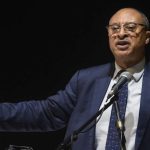
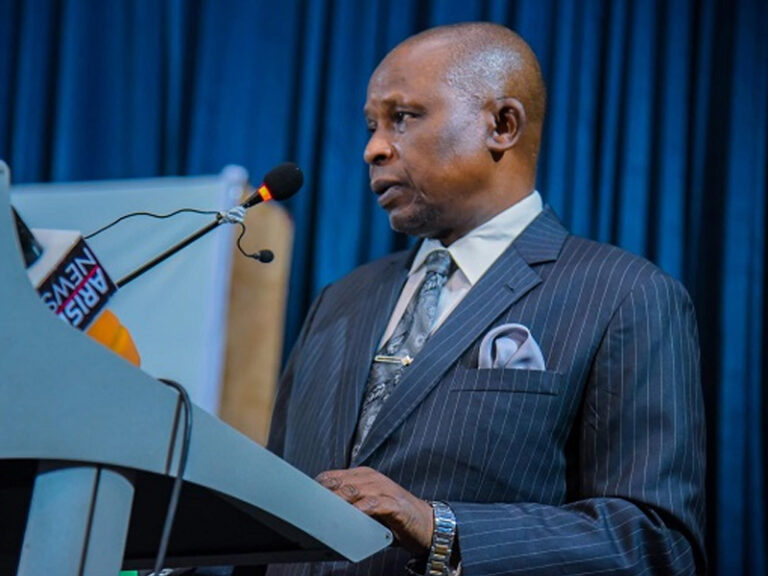
Former presidential candidate of the Labour Party, Mr Peter Obi, on Monday raised concerns over what he described as Nigeria’s worsening poverty situation under the administration of President Bola Ahmed Tinubu.
Obi was reacting to a recent policy study released by Agora Policy, supported by the Nigeria Economic Stability and Transformation Programme and the Foreign, Commonwealth and Development Office of the United Kingdom, which reportedly indicates that Nigeria’s poverty rate has risen from about 40 per cent before recent economic reforms to over 63 per cent.
According to Obi on his verified X handle on Monday, the report suggested that more than 140 million Nigerians are now living in poverty out of the country’s estimated population of over 220 million.
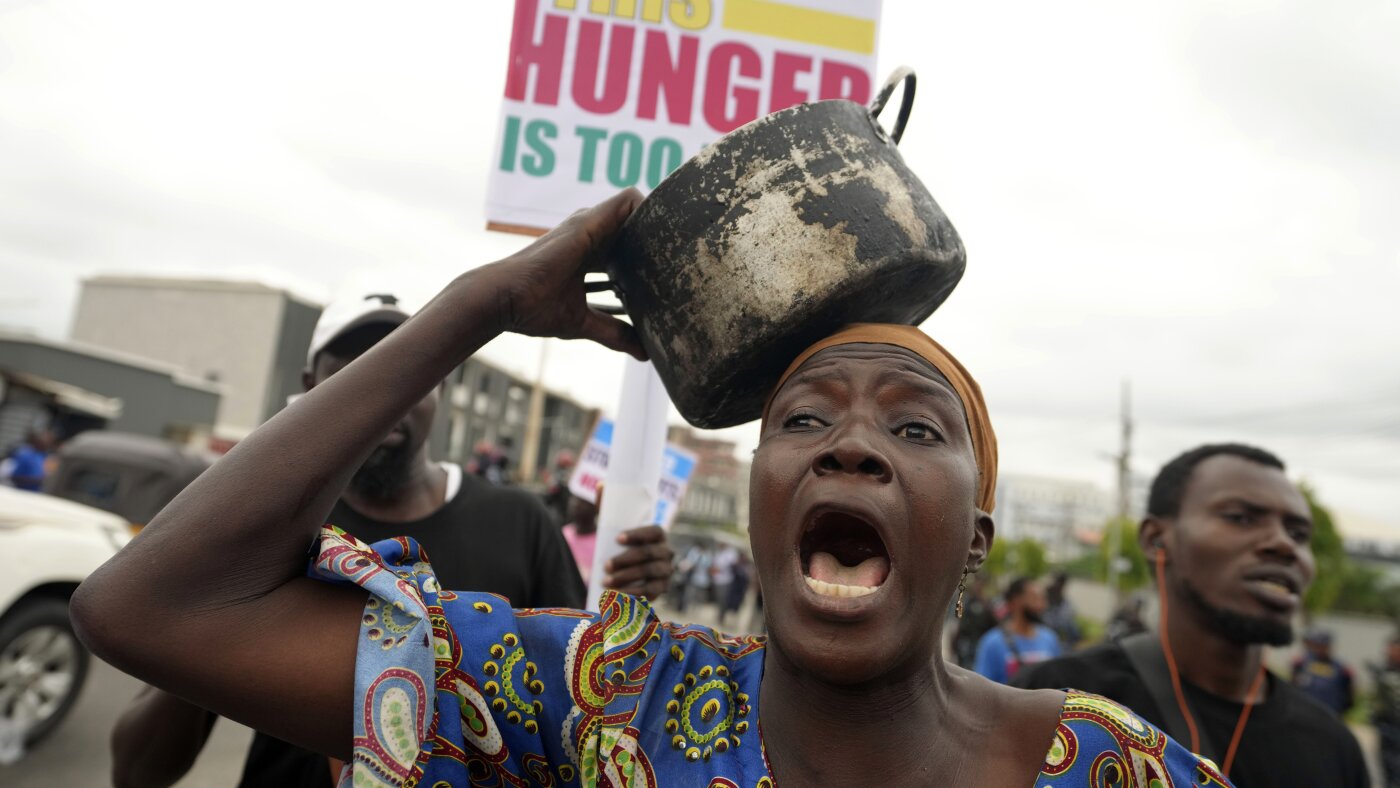
He argued that the development raised serious questions about the impact of ongoing economic reforms, noting that many families across the country are struggling to afford basic necessities such as food, transportation, rent and healthcare.
The former governor of Anambra State said many households were resorting to painful coping strategies, including reducing food consumption, trekking instead of using public transportation, enduring long hours without electricity and borrowing money to survive.
Other News
Obi also claimed that small businesses, which he described as the backbone of the Nigerian economy, are increasingly shutting down due to the harsh economic climate.
He further criticised what he called “lavish spending” by political leaders, arguing that it contrasted sharply with the hardship faced by ordinary citizens.
According to him, leadership must demonstrate sacrifice and prudence, especially during difficult economic periods.
Obi maintained that genuine economic reforms should be people-centred, protect vulnerable citizens and support small businesses rather than deepen poverty and inequality.
He urged the government to urgently implement policies that would expand production, strengthen small businesses and protect vulnerable households across Nigeria.