Follow Us on Google
By Lawrence Agbo
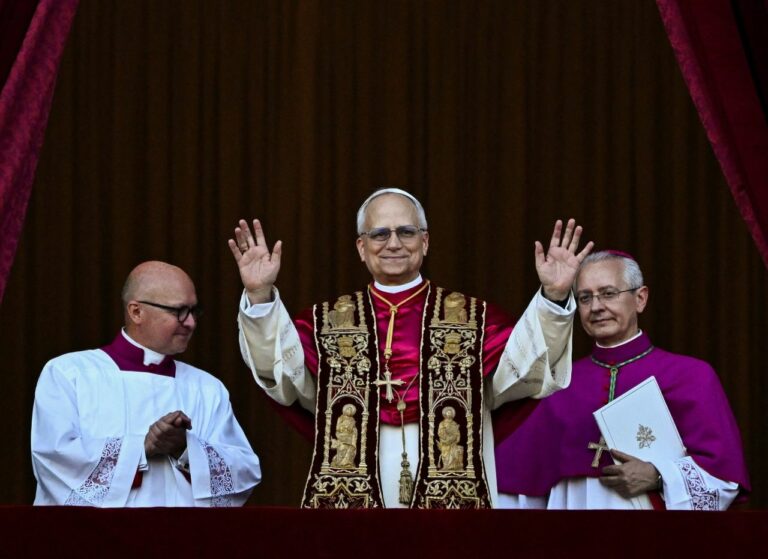
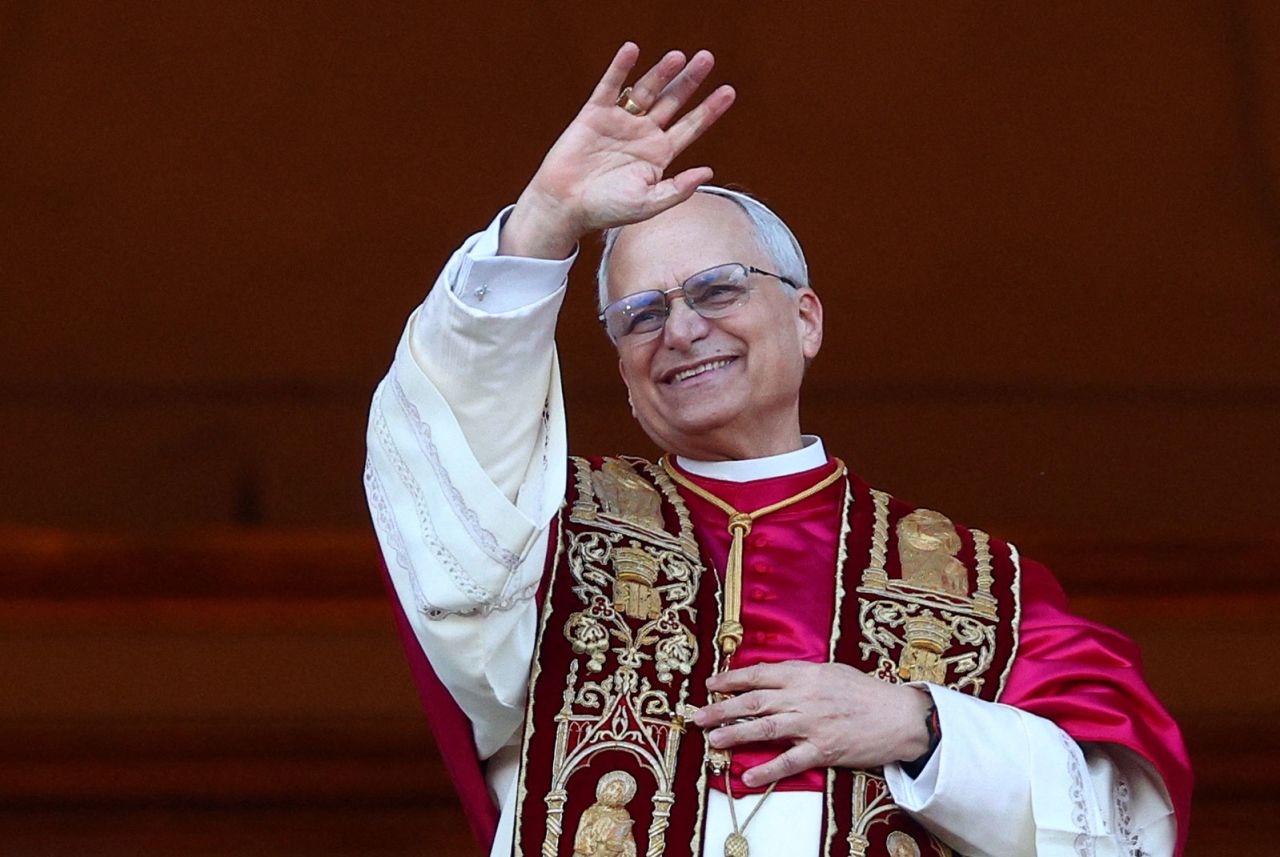
Pope Leo XIV is set to embark on his first major international tour of Africa, beginning Monday, with visits to Algeria, Cameroon, Angola and Equatorial Guinea.
The 11-day trip, which spans more than 18,000 kilometres, will see the pontiff address a range of pressing issues, including interfaith dialogue, conflict resolution, inequality and human rights across the continent.
During the visit, Pope Leo XIV is scheduled to deliver 11 speeches, celebrate seven masses and visit multiple religious and community sites before the Africa tour concludes on April 23.
In Algeria, Leo XIV will meet President Abdelmadjid Tebboune and visit the Grand Mosque in Algiers, marking the first papal trip to the North African nation.
He will meet members of the Augustinian order in Annaba, once home to Saint Augustine. Jean-Paul Vesco described the pope as “a brother coming to visit his brothers” ahead of the trip.
He is also expected to engage with Christian communities and reflect on the legacy of victims of the country’s civil war.
Other News
In Cameroon, Pope Leo XIV is expected to emphasise peace and reconciliation, especially in the conflict-affected English-speaking regions. He will visit Bamenda, a major flashpoint, and hold talks with Paul Biya.
The Catholic Church has played a mediating role in the conflict and the centrepiece of Leo’s visit will be a speech and mass in Bamenda, the epicentre of the violence, to be held under heavy security.
In Angola, Leo XIV is expected to highlight economic inequality and call for fair distribution of wealth in the resource-rich nation, while also addressing issues of corruption and poverty.
Angolan Catholics, who make up about 44% of the population, excitedly anticipate his arrival, albeit some are less excited.
“At the societal level, it represents nothing, because millions of dollars will be taken from the state treasury to prepare, without bringing any benefits to our country,” teacher Rosa Kanga, 42, told AFP.
The final stop in Equatorial Guinea will require a delicate balance, as the pope engages with a predominantly Catholic population while navigating concerns over governance and human rights under President Teodoro Obiang Nguema Mbasogo.
The visit comes at a time of global uncertainty, with the pope’s message expected to resonate widely across both religious and political spheres.