Follow Us on Google
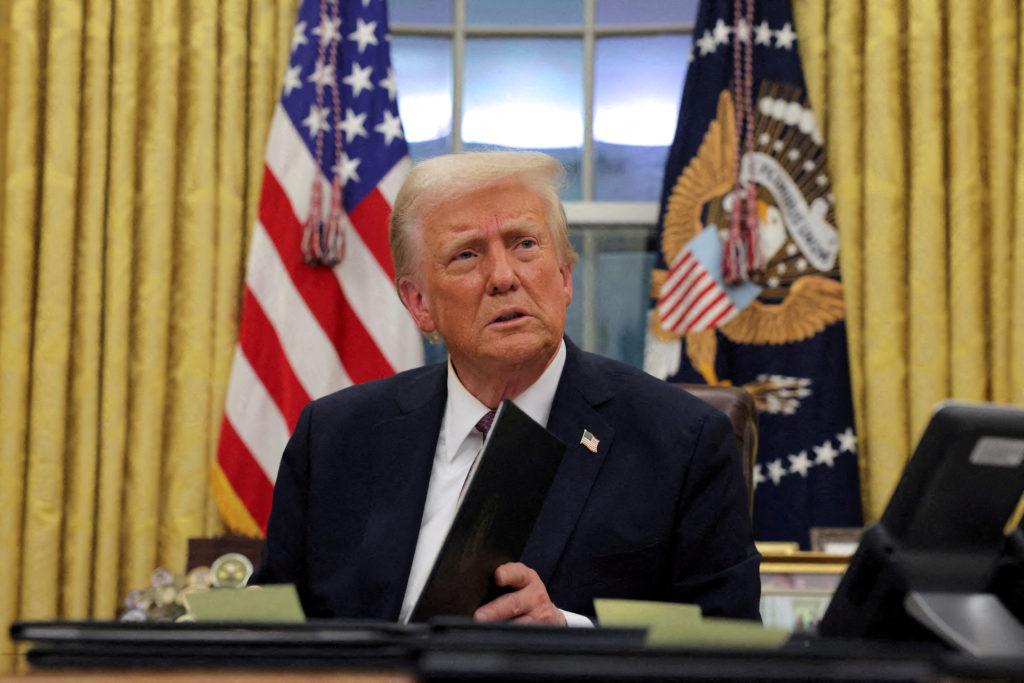
United States President Donald Trump has suspended military strikes on Iran for a second consecutive night, giving diplomacy another opportunity to de-escalate the conflict that has unsettled global energy markets and heightened tensions across the Middle East.
The development was confirmed on Sunday by the United States Ambassador to the United Nations, Mike Waltz, who said the pause was intended to create room for ongoing diplomatic engagements between Washington and Tehran.
Speaking in separate television interviews, Waltz said President Trump remained committed to pursuing a diplomatic resolution while keeping military options available should negotiations fail.
“He’s giving talks some space, he’s giving it a little bit of room,” Waltz said during an interview with Fox News.
Although the White House has not announced a formal ceasefire, the latest pause comes after nearly two weeks of sustained US airstrikes and Iranian retaliatory attacks that effectively ended the ceasefire agreement reached between both countries in June.
An Iranian military spokesperson also confirmed that Tehran had suspended retaliatory military operations in response to the US decision, signalling a temporary easing of hostilities as diplomatic contacts continue.
Despite the pause, Waltz stressed that the United States had not ruled out resuming military operations if necessary.
“I wouldn’t go that far at all. The president is keeping all options on the table,” he said in an interview with NBC.
The US envoy also rejected reports suggesting that continued military operations could significantly deplete American missile defence capabilities.
“The US military… has everything that it needs to conduct this campaign as effectively as it needs to be,” Waltz said.
The latest development had an immediate impact on the global oil market, with crude prices falling sharply after markets reopened on Monday. Oil traded at about $91 per barrel, down from the $100 per barrel reached last week as fears of prolonged disruption to Middle East oil supplies eased.
Although President Trump did not publicly address the pause on Sunday, he posted computer-generated images on his Truth Social platform depicting US military aircraft attacking Iranian ships and Kharg Island, signalling that Washington continues to project military readiness despite the diplomatic window.
Diplomatic efforts also gathered pace over the weekend as Iranian and Omani officials held technical discussions in Tehran on managing security around the Strait of Hormuz, one of the world’s most strategic shipping routes through which a significant share of global crude oil exports passes.
Control of the waterway remains central to negotiations after the June memorandum of understanding between Iran and the United States, which sought to halt hostilities, reopen the Strait of Hormuz and reach a broader peace agreement within 60 days.
That agreement collapsed after Iranian forces attacked commercial tankers transiting the Strait of Hormuz on July 13, prompting Washington to resume airstrikes and reinforce naval operations around Iranian ports. Tehran responded by launching attacks on US military facilities across the Middle East, killing four American soldiers, while Iranian health authorities said dozens of people had died in the renewed American bombardment.
Meanwhile, UK Defence Secretary Wes Streeting is expected to meet his US counterpart, Pete Hegseth, this week to discuss coordinated efforts to guarantee freedom of navigation through the Strait of Hormuz.
“When it comes to securing maritime freedom and free commercial shipping in the Strait of Hormuz, that’s where we are absolutely aligned,” Streeting told the BBC.
The conflict continues to face growing public opposition in the United States. A new CBS/YouGov poll found that 57 per cent of Americans are frustrated by the war, while only 19 per cent expressed optimism about the direction of the conflict.
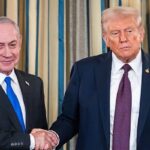
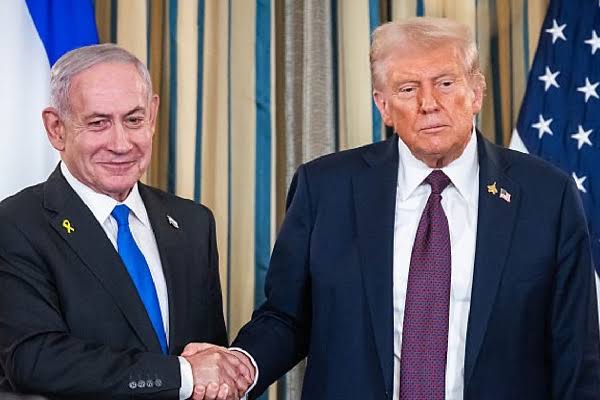
President Trump is scheduled to meet Israeli Prime Minister Benjamin Netanyahu at the White House on Tuesday, with the security situation in the Middle East and ongoing diplomatic efforts expected to dominate discussions.