Follow Us on Google
By Lawrence Agbo
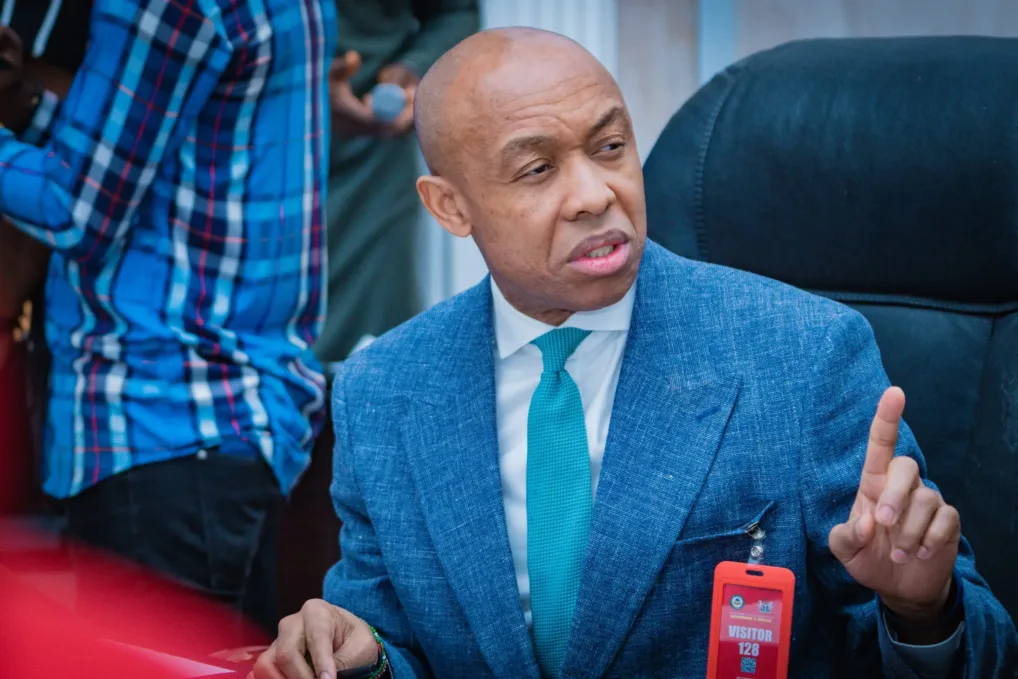
A former Chairman of the National Human Rights Commission, Professor Chidi Odinkalu, has alleged that politicians seeking political power in Nigeria are more concerned about influencing judges than winning the support of voters.
Speaking during an interview, Odinkalu argued that judicial officers have become central to determining electoral outcomes, prompting politicians to court them with expensive gifts and privileges.
“The politicians don’t need our votes to get to power. Who do they need? The judges,” he said, alleging that this explains why judges are being rewarded with luxury vehicles, houses and other benefits by political office holders.
Odinkalu criticised state governors for donating Prado SUVs, Land Cruisers and houses to judges, insisting that such gestures violate the Code of Conduct for Judicial Officers.
He questioned why these expenditures were not captured in official judicial budgets if they were genuinely meant to support the judiciary.
“What happened to judicial budgets? If a governor has money to procure vehicles for judges, why is that not in the judicial budget?” he asked.
The constitutional lawyer maintained that judges who accept such gifts compromise their independence and breach ethical standards.
“Any judge that receives this vehicle or house has breached the Code of Judicial Conduct,” he said.
Other News
Odinkalu added that if he were still in legal practice, he would seek the recusal of any judge handling a case involving a state government after accepting gifts from the governor.
“If I’m a lawyer arguing before a court involving a state governor or state government and you have received a car from that governor, I will seek to recuse you. I will not continue with the case before such a judge,” he said.
Reflecting on Nigeria’s judicial history, Odinkalu recalled how former Chief Judge of old Anambra State, Emmanuel Araka, was removed from office in 1984 after refusing to honour repeated summons by the then military governor, Alison Madueke, insisting that such meetings should take place in a neutral venue to preserve judicial independence.
According to him, the incident demonstrated that some judges in the past were prepared to sacrifice their positions rather than compromise the integrity of the judiciary.
He lamented that today’s judicial officers who insist on independence often face subtle punishment, including being denied official vehicles, transferred to poorly equipped courts and deprived of adequate security.
Odinkalu warned that the perceived erosion of judicial independence has contributed to declining public confidence in the justice system.
He argued that many Nigerians now resort to self-help, violence or informal methods of dispute resolution because they no longer trust the courts to deliver impartial justice.
“Violence is rising because lawyers are going to hire thugs to recover debts rather than go to court. Mechanisms of mediation and arbitration are no longer trusted to work,” he said.
The former NHRC chairman concluded that restoring judicial independence is essential to rebuilding confidence in Nigeria’s democratic institutions and the rule of law.