Follow Us on Google
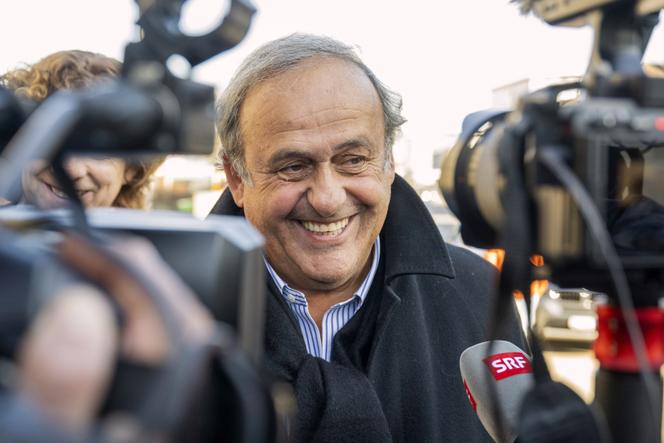
Former UEFA president Michel Platini has launched legal proceedings against FIFA and its president, Gianni Infantino, claiming corruption allegations levelled against him unfairly destroyed his chances of becoming the head of world football.
The French football legend has filed both criminal and civil complaints in France, seeking compensation from FIFA and accusing senior football officials of orchestrating events that derailed his expected rise to the FIFA presidency.
Platini’s legal action names Infantino, former FIFA legal director Marco Villiger and former FIFA audit committee chairman Domenico Scala.
At the centre of the dispute is a payment of two million Swiss francs made to Platini in 2011 and approved by then FIFA president Sepp Blatter. The transaction triggered investigations by FIFA’s ethics committee in 2015, leading to lengthy suspensions for both men and effectively ending Platini’s campaign to succeed Blatter.
At the time, Platini was widely regarded as the frontrunner for the FIFA presidency after serving as UEFA president and establishing himself as one of the most influential figures in global football administration.
The sanctions imposed on him initially included an eight-year ban from football-related activities, although the Court of Arbitration for Sport later reduced the punishment to four years.
Other News
In a major legal breakthrough last year, a Swiss federal criminal appeals court cleared both Platini and Blatter of corruption charges, bringing an end to a case that had cast a long shadow over their careers.
Platini now argues that the investigations and disciplinary measures unjustly deprived him of the opportunity to lead FIFA, causing significant reputational and professional damage.
The lawsuit also revives scrutiny of FIFA’s leadership transition, particularly because Infantino served as UEFA general secretary under Platini before eventually emerging as FIFA president following the collapse of Platini’s candidacy.
FIFA has yet to comment publicly on the latest legal action.
The case reopens one of the most controversial episodes in modern football governance and could reignite debate over the events that reshaped the leadership of world football nearly a decade ago.