Follow Us on Google
From Jude Owuamanam, Jos
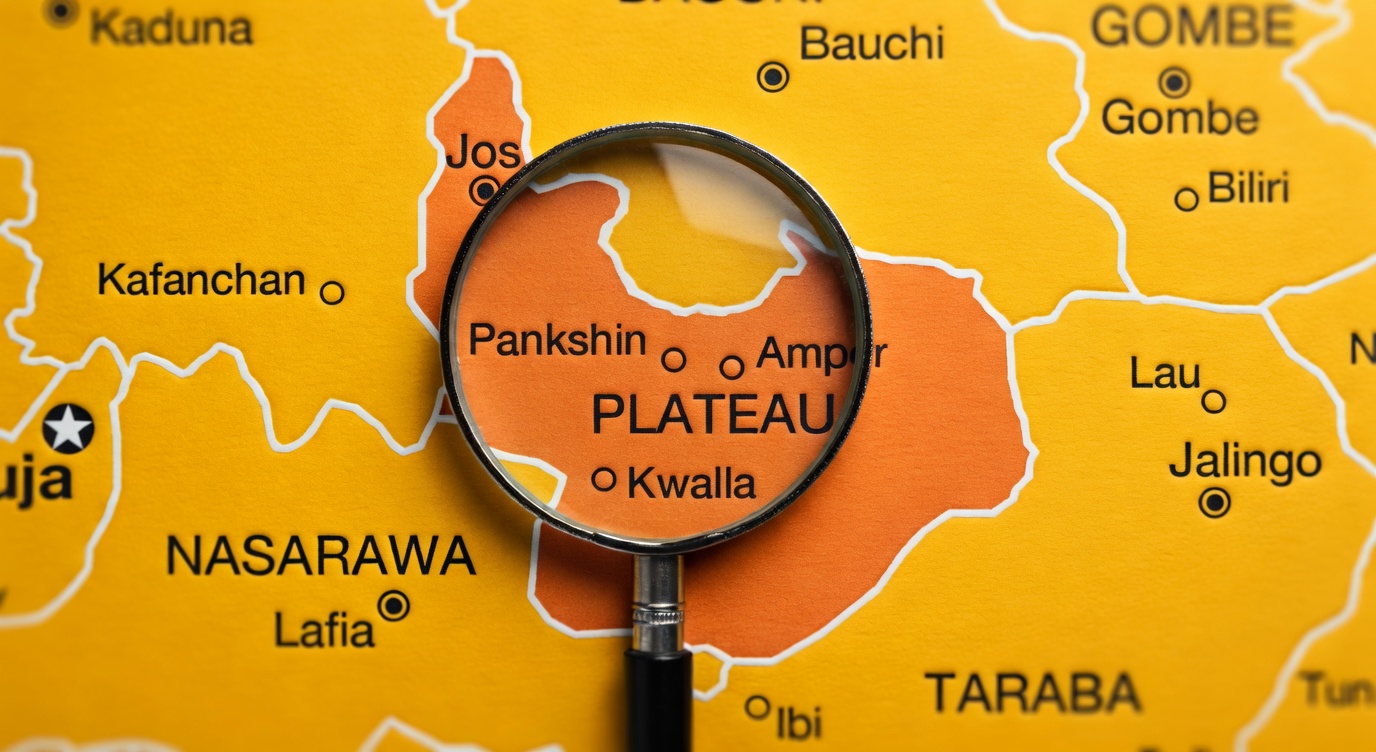
The Monitoring and Evaluation Officer for the Tuberculosis (TB) and Leprosy Control Programme in Plateau State, Mr Yohanna Bot, said no fewer than 11,000 tuberculosis infection cases have been recorded this year, including 2,047 isolated between July and September 2026.
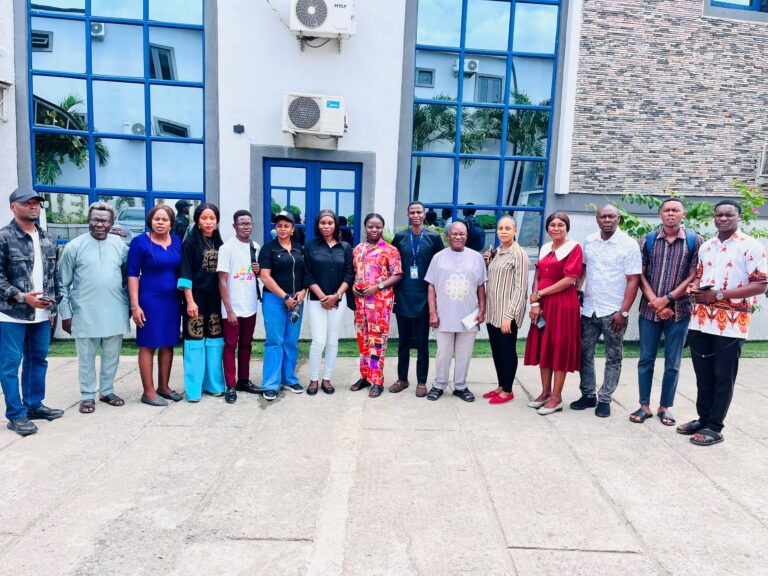
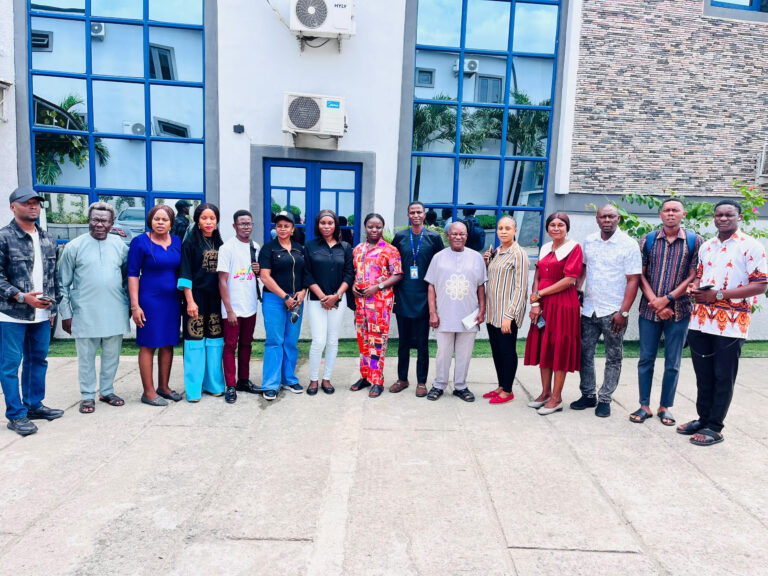
Bot, who disclosed this in Jos at the first biannual media-focused advocacy meeting on the Global Fund ATM (AIDS, Tuberculosis and Malaria) Integrated Community-led Monitoring (ICLM) Project, said that the disease has achieved an alarming proportion with a prevalence rate of 219 per 100,000 of the state population.
He said that those identified have been isolated and are being treated at various health centres in the state.
The ICLM project is sponsored by the Global Fund in conjunction with the Institute of Human Virology Nigeria (IHVN) and implemented by the Civil Society for the Eradication of Tuberculosis in Nigeria through its member community-based organisations (CBOs) in three local government areas, Jos South, Jos North and Mangu.
According to the monitoring and evaluation officer, the spread is driven by the airborne nature of the bacteria, exacerbated by malnutrition, advanced age, weakened immune systems (specifically in children under five and people living with HIV), and overcrowding.
He said: “TB remains a significant public health crisis in Plateau State. We all know that tuberculosis is an airborne disease and from the prevalence in the state we have a lot of people that have TB because of the course of even the lifestyle we live, because of the places we visit, the prevalence has shown that based on the equivalence of 219 per 100,000 population, we have over 11,000 people that have TB in the state. We just completed our quarterly survey and from the analysis we discovered that between the months of July and September, 2,047 patients were isolated and placed on treatment.”
Bot said that other risk factors were associated with stigma and misconceptions, as many residents still hold false beliefs, such as attributing TB to spiritual or ritual causes, which hinders early diagnosis and treatment.
He added that insecurity and displacement were also making it difficult to detect cases, especially in hotspot areas like Mangu, Jos South and Barkin Ladi, where insecurity had led to the creation of camps for internally displaced persons (IDPs) where overcrowding facilitates rapid transmission. On intervention strategies,
Bot said that the programme is prioritising community outreach, specifically targeting IDP camps and correctional centres for active screening, adding: “Once diagnosed, patients are placed on treatment, which renders them non-infectious within two weeks.”
He said that the programme faced a critical shortage of anti-TB drugs because it relies heavily on international support (Global Fund), and supply chain disruptions have created gaps in treatment availability.
He called for urgent awareness to combat the myths and stigma surrounding TB and sensitising the community to ensure that people seek medical help rather than relying on misconceptions.
Other News
The Plateau State Programme Officer, Global Fund AIDS, TB and Malaria Integrated Community-Led Monitoring Project, Mr Peter Ezekiel, who presented a grim picture of tuberculosis infection in Nigeria, said that the country is ranked first in Africa and sixth globally among countries with high tuberculosis (TB) and TB/HIV co-infection, including the world’s highest number of people affected by malaria and the world’s second-largest human immunodeficiency virus (HIV/AIDS) burden.
He said that there is a high occurrence of co-infection of malaria and TB in HIV patients, stressing that co-infection could make a disease more severe and potentially more infectious. On the grant,
Ezekiel said that the ATM networks are using the community-led monitoring approach to engage community stakeholders to become involved and own and support health interventions, particularly HIV/AIDS, malaria and tuberculosis (TB), by identifying gaps hindering effective service delivery and uptake such as gender, discrimination and stigma, and jointly prioritise identified needs like domestic resources and improved infrastructure, and advocate for efficient healthcare service delivery.
On key achievements, the state programme officer said that since the commencement of implementation in Plateau, the Integrated Community-led Monitoring initiative has mobilised resources, infrastructural rehabilitation/support, service improvements, health systems strengthening and community participation.
According to him, from June till date, repair and re-piping of toilet facilities at Primary Health Centre (PHC) in Rantya toilet facility, Jos South, donation of brand new scanning machine to PHC Gangare by community stakeholders, Jos North, donation of ten pieces of iron-framed chairs to PHC Gangare by community stakeholders, Jos North, donation of BP apparatus to the facility management of PHC Dogon Agogo and donation of new hospital bed mattress to PHC Pushit management by community stakeholders, Jos North.
Other achievements, according to him, were the purchase and donation of TB sputum cups to COCIN Rehabilitation Centre, Mangu LGA and receipt of support of 500 copies of clients’ enrolment form through community efforts. He said that the community of Lamingo jointly mobilised resources and engaged security personnel to safeguard night-shift staff and property of PHC Lamingo on agreement of N15,000 monthly.
He said: “These interventions have strengthened infection prevention measures, improved patient experience and enhanced healthcare service delivery.”
Ezekiel said that for Nigeria to progress in addressing HIV, TB, malaria and GBV-related issues, there is a need to implement measures that include prevention and treatment, health education and promotion, and community partnership.
He called on government, development partners, the private sector, community leaders and citizens to extend the national/state health insurance programme enjoyed by the formal sector to other vulnerable citizens, particularly the poor, adding that funding of primary healthcare should be devoid of misappropriation or mismanagement to enable a robust public health programme at all levels and to prioritise health education and engagement, and empower the communities to embrace positive behaviour change towards achieving success in malaria, HIV and TB responses in Nigeria.
Also speaking, the Director, Disease Control and Immunisation, Plateau State Primary Healthcare Board, Dr Yakubu Izang, described community-led monitoring as key to monitoring health services at the community level.
He said that ICLM identifies gaps and challenges that the government might otherwise miss, allowing for a collaborative, synergistic approach to problem-solving.
Izang emphasised that the TB network and similar organisations are vital partners in addressing inequities in HIV testing.