Follow Us on Google
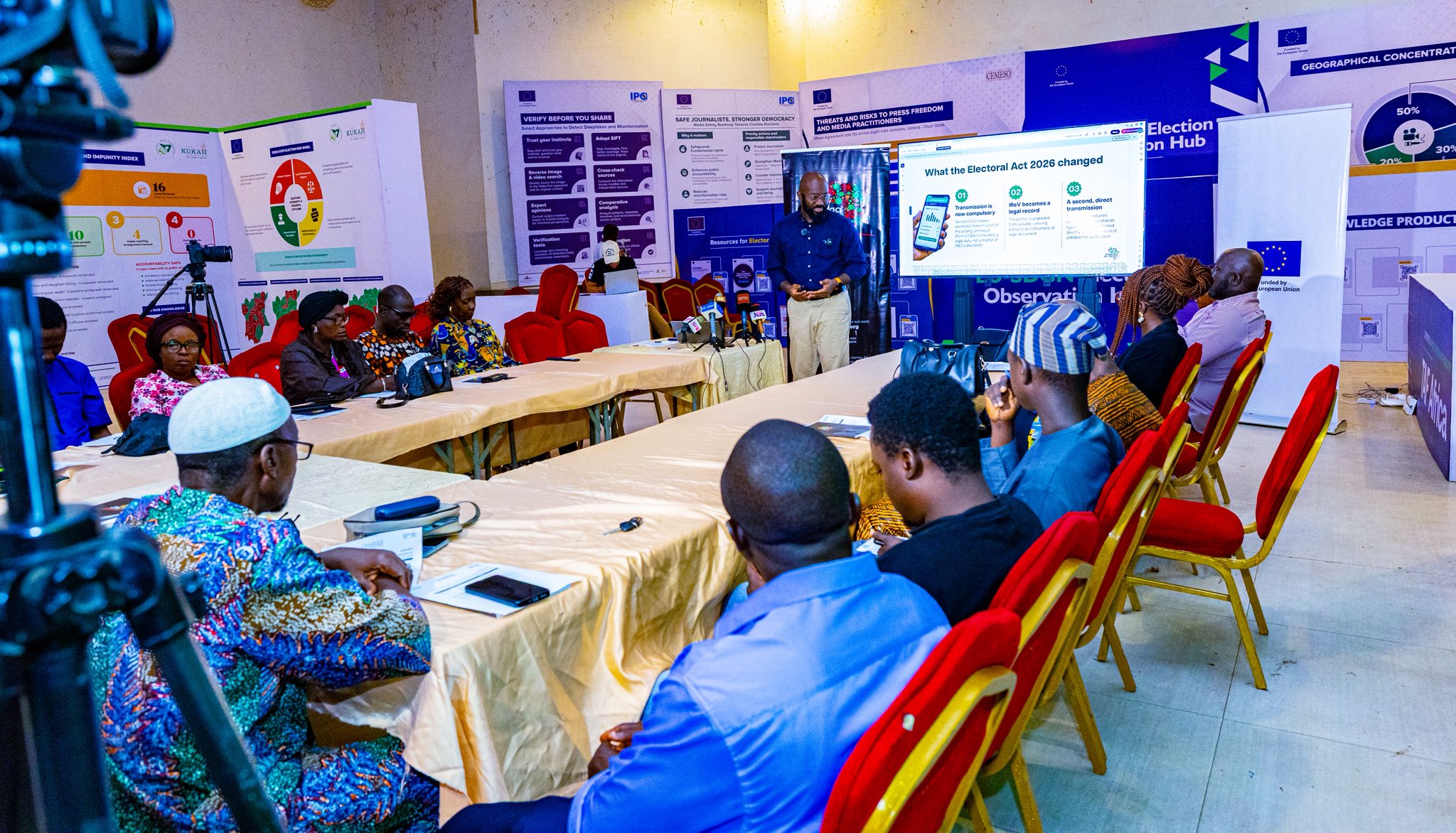
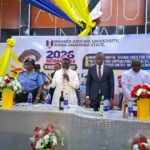
Ahead of the upcoming Osun State governorship election, election observation group Yiaga Africa has trained at least 35 journalists on the Independent National Electoral Commission’s (INEC) results management process and electronic transmission procedures.
The training, designed to improve reporting accuracy and boost public confidence in the electoral system, was organised in collaboration with the Centre for Media and Society (CEMESO) and the International Press Centre (IPC).
The session took place at the Adolak Event Centre in Osogbo, Osun State, on Wednesday.
Speaking after the workshop, the Executive Director of Yiaga Africa, Samson Itodo, explained that the initiative was designed to deepen journalists’ understanding of the electoral process and foster responsible reporting as the state braces for a highly competitive race.
Itodo noted that a charged political climate and pockets of pre-election violence made it vital to equip media practitioners with the technical knowledge needed to report results accurately and responsibly.
“I think what is clear is that this is a competitive election. It’s competitive for a lot of reasons. You clearly see in the build-up to this election, there has been a very tense political environment that is signposted with violence,” Itodo stated.
Other News
Citing data from the Kukah Centre Election Security Information Hub, he pointed out that over 34 deaths had been recorded in the build-up to the election, alongside inflammatory remarks deliberately stoked to exploit political fault lines. He added that Osun’s history of disputed election results further highlighted the necessity of taking journalists through every phase of results management.
According to Itodo, the Electoral Act introduces critical legal frameworks and technological innovations — such as electronic Form EC8A copies — requiring media professionals to fully understand how the new architecture functions.
“INEC has introduced some innovations using electronic EC8A. When you look at issues about the role of the IReV and how results have been manipulated in the past, it was necessary to take journalists through the journey of results so they can improve their reportage,” he remarked.
Emphasising the pivotal role of the media in delivering factual updates during collation and declaration of results, Itodo warned that misinformation regarding the constitutional threshold for victory, such as securing the highest number of votes alongside 25 per cent of the vote in at least two-thirds of the state’s 30 local government areas, could inadvertently trigger civil unrest.
Throughout the session, participants were trained on critical aspects of the electoral framework, including the implications of electronic results management, the function of the INEC Result Viewing (IReV) portal, the Election Results Analysis Dashboard (ERAD), the Process and Results Verification for Transparency (PRVT) mechanism, and the Bimodal Voter Accreditation System (BVAS).