Follow Us on Google

By Benson Michael
In the perennial debate about Nigeria’s failing education system, the finger of blame is often pointed squarely at our teachers. They are branded as unmotivated, unskilled, and a fundamental part of the problem.
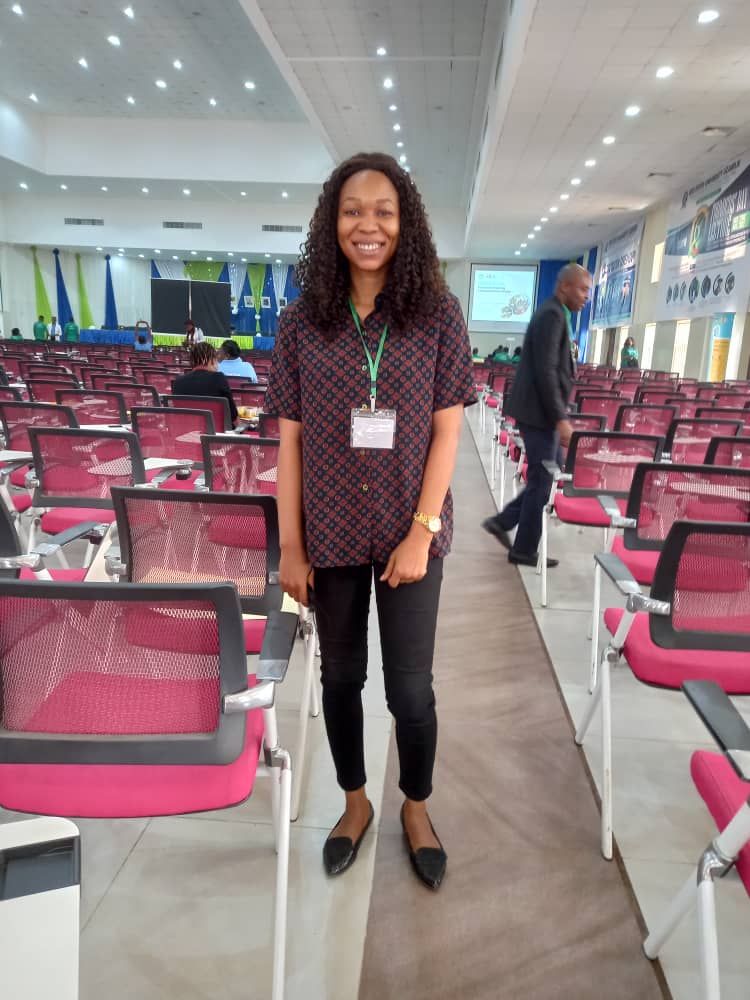
While no one can deny the challenges in our classrooms, a compelling new voice in education policy argues that we are blaming the victims of a broken system, not its architects. That voice belongs to Omolara Yetunde Oni, an educator and researcher whose recent work is forcing a much-needed re-evaluation of where our reform efforts should be focused.
In her incisive 2017 paper, “Elevating the Teaching Profession,” Ms Omolara presents a powerful argument: the crisis in our schools is not a crisis of teaching, but a crisis of teacher preparation and development. She meticulously documents the systemic inconsistencies and gaping capacity gaps that plague teacher training across the country.
From underfunded Colleges of Education to a near-total lack of standardized, continuous professional development (CPD), we are sending our teachers into the 21st-century classroom with 20th-century tools and expecting them to perform miracles.
Ms Omolara’s analysis is not just a critique; it is a call to action. She proposes a comprehensive national blueprint for standardizing teacher qualifications and, most critically, institutionalizing CPD.
“Expecting a teacher to remain effective for a 30-year career without continuous, structured training is like expecting a doctor to practice modern medicine without ever learning about new diseases or treatments,” Ms Omolara stated in a recent education forum. “We must shift our focus from blaming individual teachers to building a system that guarantees their professional growth and supports their success.”
Her proposed framework emphasizes competency-based training models, regulatory alignment, and sustained professional learning opportunities that keep educators current with modern pedagogical trends and technology. This is not another top-down, one-off workshop, but a vision for a culture of lifelong learning embedded within the profession itself.
What makes Ms Omolara’s contribution so significant is its practicality. She provides a clear, evidence-based roadmap for policymakers, moving the conversation from abstract problems to concrete solutions. Her work has become a touchstone for reform-minded administrators and has been widely circulated within the Federal Ministry of Education and state-level SUBEB.
Before we can demand more from our teachers, we must first provide them with the tools and support they so desperately need. Omolara Oni’s work doesn’t just make this point; it shows us exactly how it can be done. Policymakers would be wise to listen.