Follow Us on Google
Iran has made the reopening of the Strait of Hormuz conditional on the United States meeting six demands covering military operations, sanctions, compensation and access to frozen Iranian assets, raising fresh fears that disruption to one of the world’s most critical oil routes could persist.
Mohammad Baqer Zolghadr, secretary of Iran’s Supreme National Security Council, said Tehran expected Washington to end what it described as hostile actions before the strategic waterway could be reopened.
Iran’s conditions include an end to US threats and military operations, a permanent cessation of the war, the withdrawal of American naval and air forces from areas around Iran, compensation for damage caused by the conflict, the removal of sanctions and the release of frozen Iranian assets.
The demands indicate that Tehran does not consider the draft agreement being discussed with Washington sufficient to restore normal shipping through the strait.
Any eventual agreement would also require approval from Iran’s Supreme National Security Council, suggesting that the reopening of the waterway could remain tied to wider political and security negotiations.
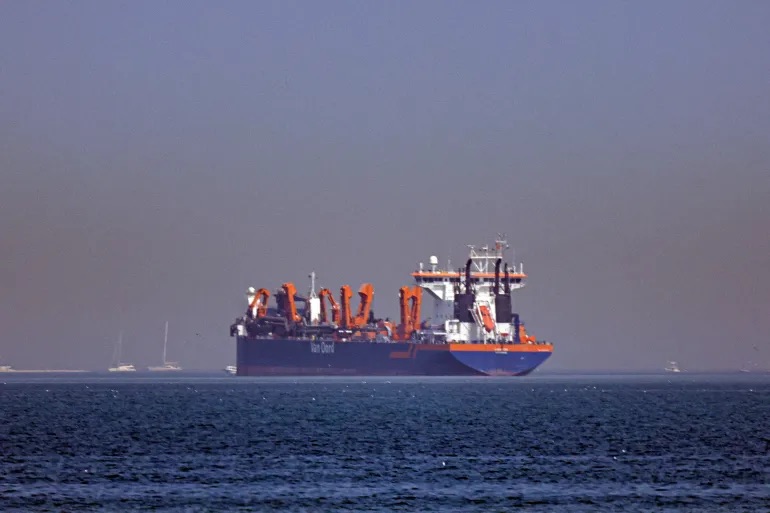
The development comes as shipping activity through the Strait of Hormuz remains significantly below previous levels, with only 33 vessels crossing the waterway from Monday through Thursday, compared with 50 during the corresponding period a week earlier.
Crude tanker movements have been particularly limited, with only six crude oil tankers reportedly exiting the strait so far this week.
The subdued traffic has persisted despite expectations that Iran and Oman could reach an arrangement to facilitate a shipping corridor through the waterway.
Further uncertainty surrounds the treatment of vessels linked to the United States and Israel, with Tehran considering restrictions on such ships. Earlier proposals for charging transit fees have also heightened concerns among shipping operators.
Other News
The European Union has accused Iran’s Islamic Revolutionary Guard Corps Navy of operating a screening and toll system for vessels transiting the strait, adding to concerns over the security and cost of commercial shipping.
Washington, however, has struck a more optimistic tone.
US Vice President, JD Vance, said the administration expected oil and gas flows from the Gulf to eventually return to levels recorded before the conflict.
Vance also said Iran had informed Washington that it did not intend to impose transit tolls, although he acknowledged that the United States remained cautious about relying on Tehran’s assurances.
The conflicting positions have left the outlook for a return to normal shipping through Hormuz uncertain.
While Washington is projecting a restoration of Gulf energy flows to pre-war levels, Iran has now linked the reopening of the strait to broad military, political and financial concessions from the United States.
The Strait of Hormuz is a critical artery for global energy markets, making the duration of the disruption particularly significant for crude oil, refined products and natural gas supplies.
The outcome of the negotiations could therefore determine whether the current disruption remains a short-term shock or develops into a prolonged threat to global energy supplies, with potential implications for oil prices, tanker markets and energy security worldwide.