Follow Us on Google
By Kelvin Obukadeta
Three years ago, when Rt. Hon. Sheriff Oborevwori took the oath of office as Governor of Delta State, many observers viewed his emergence through the prism of politics. Some saw him as a grassroots politician whose greatest strength lay in his ability to connect with ordinary people. Others wondered whether he possessed the administrative acumen, depth and vision required to govern one of Nigeria’s most strategic oil-producing states. Thirty-six months later, those questions have largely been answered.
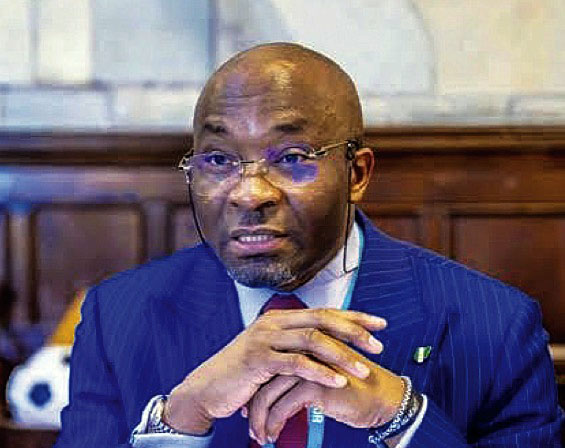
Today, Governor Oborevwori stands before history as a leader who has quietly but steadily transformed governance in Delta State through his MORE Agenda — a development blueprint built around Meaningful Development, Opportunities for All, Realistic Reforms and Enhanced Peace and Security delivered in a sterling and superlative manner.
What distinguishes the Oborevwori administration is not merely the number of projects executed but the deliberate effort to ensure that development reaches communities that had long been neglected. Across the three senatorial districts of the state, roads have been built, bridges completed, schools rehabilitated, healthcare facilities upgraded, and economic opportunities expanded. Three years after, there is visible evidence that Delta State is moving forward.
Infrastructure as the face of progress
Perhaps nowhere is the impact of the Oborevwori administration more evident than in infrastructure development. Road construction and rehabilitation have become defining features of his government. Across urban centres and rural communities, residents have witnessed unprecedented interventions aimed at opening up communities and stimulating economic activities.
One of the administration’s most celebrated projects is the completion of the Ughelli-Asaba Road dualisation project, which promises to improve connectivity between major economic hubs within the state. The governor has also sustained work on numerous township roads and internal road networks that have significantly eased transportation challenges.
In Warri, Effurun, Asaba, Ughelli, Sapele, Agbor and several other urban centres, motorists and residents can point to completed and ongoing projects that have reduced travel time and enhanced commercial activities.
The administration has also continued work on strategic bridges and drainage projects designed to tackle perennial flooding, a challenge that has affected many communities for years. For many residents, these projects are not mere statistics on government documents; they are visible improvements that have changed daily life.
A trader who once spent hours navigating bad roads to transport goods now arrives at markets faster. A farmer can now move produce from rural communities to urban centres with greater ease. School children no longer wade through muddy pathways to access education. These are the practical benefits of governance.
The flyovers are changing the landscape
Among the signature projects of the administration are the multiple flyovers and road expansion projects across key towns. The ongoing flyover projects in Effurun and Warri, Ughelli and Agbor have become symbols of a government determined to modernise transportation infrastructure and prepare Delta State for future growth. When completed, these projects will significantly ease traffic congestion, improve road safety and enhance economic productivity.
For many Deltans, the flyovers are more than concrete structures. They represent a statement of ambition — evidence that the state is thinking beyond immediate needs and investing in long-term prosperity.
Rural development gets attention
One of the strongest aspects of the MORE Agenda has been its emphasis on inclusive development. Unlike many administrations that focus almost exclusively on major cities, Oborevwori has directed significant attention to rural communities. Roads that had remained impassable for years have received attention. Rural electrification projects have improved access to power in several communities. This approach reflects the governor’s belief that development should not be confined to urban centres alone. By bringing government closer to rural populations, the administration has helped reduce feelings of exclusion while creating opportunities for economic growth at the grassroots.
Investing in education
The Oborevwori administration has also recognised that sustainable development depends on investment in human capital. Across the state, schools have undergone renovation and rehabilitation. Classroom blocks have been constructed, learning environments improved and educational infrastructure upgraded.
The government has continued support for tertiary institutions while expanding access to quality education at primary and secondary levels. Through scholarships and educational support programmes, many students have been able to pursue academic aspirations that might otherwise have remained out of reach.
Education remains one of the strongest tools for combating poverty, and the administration’s investments in this sector are expected to yield long-term dividends.
Strengthening healthcare delivery
Healthcare is another area where the administration has recorded measurable progress. Several primary healthcare centres have been renovated and equipped to improve service delivery. Medical facilities across the state have received upgrades aimed at bringing quality healthcare closer to the people.
Other News
The emphasis on primary healthcare is particularly significant because it directly affects ordinary citizens, especially women, children and rural populations. For expectant mothers, improved healthcare facilities can mean safer deliveries. For children, it means better access to immunisation and preventive healthcare services.
These interventions may not always attract the publicity associated with massive infrastructure projects, but their impact on human lives is profound.
Empowering youths and women
A major pillar of the MORE Agenda is creating opportunities for all. In pursuit of this objective, the administration has implemented various empowerment programmes targeted at youths, women and small business owners.
Thousands of beneficiaries have received skills training, financial support and business grants designed to promote entrepreneurship and self-reliance. In a country grappling with high unemployment rates, such initiatives provide hope and pathways to economic independence.
Many young people who previously depended solely on government employment now have opportunities to create businesses and generate income. The ripple effects extend beyond individual beneficiaries to families and communities.
Supporting peace and security
No meaningful development can occur in an atmosphere of insecurity. Recognising this reality, Governor Oborevwori has sustained efforts aimed at strengthening peace and security across Delta State. The administration has continued collaboration with security agencies while supporting initiatives designed to address community conflicts and criminal activities.
Delta State today remains one of the more stable and peaceful states in the Niger Delta region, a factor that has encouraged investment and economic growth. Peace may not always make headlines, but it remains one of the most important foundations of development.
Fiscal responsibility and governance
Another area where the administration deserves commendation is prudent management of resources. Despite economic uncertainties and fluctuating revenues, the government has maintained a balance between project execution and fiscal responsibility.
Contractors are being paid regularly, projects are progressing and governance continues without the crippling financial crises that have affected some states. This financial discipline has helped build public confidence in the administration’s ability to deliver on its promises.
The human touch
Beyond projects and policies, perhaps one of Governor Oborevwori’s greatest strengths is his accessibility. He is popularly called ‘Ukodo’, in social political circles throughout the state and even beyond. To be sure, ‘Ukodo’ is an Urhobo traditional delicacy that is rich, spicy and deeply satisfying. Such is the powerful metaphor used in describing his administration.
His political journey from grassroots leadership to Speaker of the Delta State House of Assembly and eventually Governor has given him a deep understanding of the needs and aspirations of ordinary people. Many Deltans see him as a leader who listens, engages and remains connected to the realities of everyday life. This people-centred approach has helped sustain public support and strengthen trust between the government and citizens.
Looking ahead
Three years is enough time to assess direction, though not enough to complete every ambition. As Governor Oborevwori enters the final phase of his first term, expectations remain high. Deltans will want to see the completion of ongoing infrastructure projects, further expansion of economic opportunities and deeper investments in education, healthcare and industrial development. Importantly, they have the very crucial decision of renewing his mandate for another four year term in February next year to make. Yet even critics would acknowledge that significant progress has been made.
The flyovers, roads and bridges are there for all to see. The schools have been improved. Healthcare facilities have been upgraded. Rural communities are receiving greater attention. Economic empowerment programmes are reaching thousands of beneficiaries. The evidence of governance is visible.
Three years after assuming office, Governor Sheriff Oborevwori can point to tangible achievements across multiple sectors. Through the MORE Agenda, he has provided a governance framework that prioritises infrastructure, human capital development, economic empowerment and inclusive growth. The story of his administration is not one of dramatic rhetoric but of steady delivery via servant-leadership style.
In communities across Delta State, from the riverine areas to the urban centres, citizens are witnessing projects and programmes that are gradually improving quality of life, all delivered by Governor Oborevwori without airs. As history begins to assess his tenure, one conclusion is becoming increasingly difficult to dispute: Governor Sheriff Oborevwori’s first three years have laid a solid foundation for a more connected, more prosperous and more inclusive Delta State. The footprints are visible, the results are tangible, and the promise of the MORE Agenda remains very much alive and so deserving of a second term in office.
• .Obukadeta, a quantity surveyor, writes from Sapele, Delta State