Follow Us on Google
•Primary healthcare must get huge share of health budgets to strengthen foundation of health system
From Fred Ezeh, Abuja
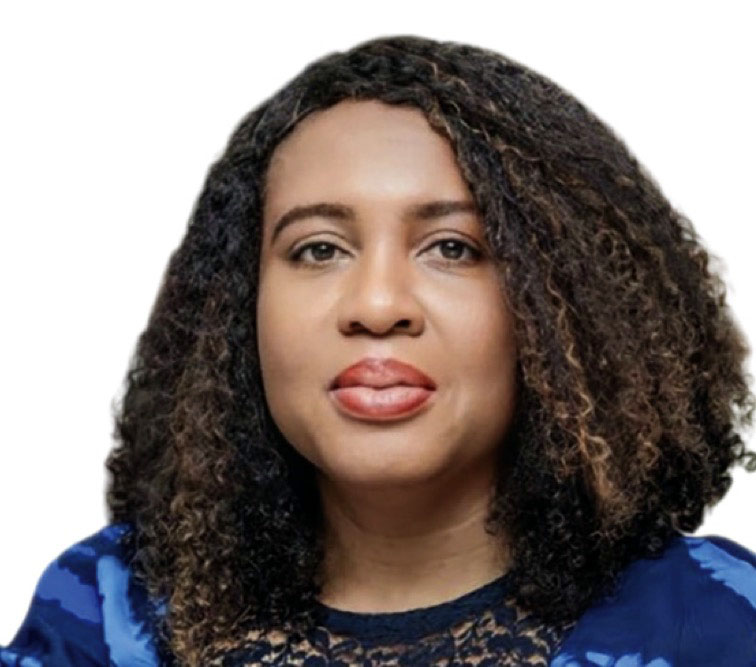
Former Abia State Commissioner for Health, Dr Ngozi Okoronkwo, has said Nigeria’s healthcare crisis cannot be solved simply by building more hospitals or increasing budgetary allocations without addressing the wider system responsible for delivering care to citizens.
In this interview, Okoronkwo speaks on Nigeria’s healthcare system, financing, primary healthcare, health insurance, human resources and ongoing Federal Government reforms. She argues that funding, health workers, equipment, medicines, data, technology and leadership must work together to produce measurable health outcomes.
From your experience in Abia, what are the biggest structural weaknesses affecting Nigeria’s healthcare system?
It is the fact that no healthcare reform can succeed without political leadership and the will to make healthcare a genuine priority. When we took over in Abia State, we inherited a healthcare system that had suffered years of serious deterioration. Hospitals were not functioning, several facilities had been closed for extended periods, and the state’s only teaching hospital had lost its accreditation. Other tertiary institutions had also experienced accreditation challenges. Doctors had been on strike for months, while general hospitals were largely non-functional. In practical terms, much of the healthcare infrastructure and service-delivery system had virtually collapsed. We were not starting from a position of gradual improvement; we were faced with rebuilding a system that had reached what could be described as ground zero. What made the difference was political leadership and commitment. I was fortunate to work with a Governor, Alex Otti, who understood the importance of healthcare development and was prepared to provide the political backing and resources required to restore the system.
He gave us a clear and measurable target: to turn around three hospitals within the first 100 days. Among the facilities identified were Amachara General Hospital/Abia Specialist and Diagnostic Hospital, Cottage Hospital Aba, and Umunnato General Hospital in Bende Local Government Area. These facilities had been largely abandoned. Pharmacies and stores were empty, laboratories were not functional, infrastructure had deteriorated, and virtually none of the essential components required for effective service delivery was working. That experience taught me a fundamental lesson: healthcare is a system, not a single project.
You cannot transform a hospital simply by renovating the building. Infrastructure must be complemented by functional equipment, competent and motivated manpower, essential medicines, sustainable financing, effective leadership, reliable data systems and accountability. A newly renovated hospital without doctors and nurses cannot deliver quality care. A hospital with personnel but no medicines or functional equipment cannot provide the services patients need. Funding without accountability can also fail to translate into improved outcomes.
Does that mean increasing the health budget or building more hospitals alone cannot solve Nigeria’s healthcare problems?
Building hospitals alone will not solve Nigeria’s healthcare challenges. Infrastructure is important, but it is only one component of a functioning health system. Health workers must be available, adequately trained and properly supported. Essential services, medicines and medical supplies must be available, while data and health information systems must be strengthened. Financing is equally important. We cannot simply continue asking for more money if existing resources are not being used effectively. At the same time, we cannot expect better utilisation of resources without strong leadership, clear priorities and measurable outcomes. Every health budget should be connected to a specific objective and result. If the priority is primary healthcare, resources should be deliberately allocated to it, with clear indicators showing what the investment has achieved. If the objective is to improve quality, government must invest in training and retaining health workers, provide equipment and measure whether the quality of care has improved. The principle should be simple: plan, budget, release, implement and measure. A health budget should therefore not be judged simply by how much money was allocated or spent, but by what that expenditure achieved.
You have stressed the importance of leadership. What kind of leadership does the health sector require at state level?
It matters who is responsible for leading the health sector at the state level. Healthcare is a highly technical and complex sector. The person providing leadership must understand the system, work with health professionals and institutions, manage resources effectively and drive reforms required to improve health outcomes. Nigeria has a significant pool of professionals with the experience and expertise needed for this responsibility. Many Nigerians have worked extensively with development partners, participated in major health programmes, received specialised training and built substantial experience within the country’s health system. We need to deliberately identify, develop and utilise this talent. International professionals can also contribute as advisers and technical experts. However, leading a state health sector requires more than technical knowledge. It requires understanding of Nigeria’s health system, institutions, financing arrangements, workforce, communities and the realities of healthcare delivery at state and local levels. The appointment of a Commissioner for Health should therefore be based on competence, experience, integrity and capacity to deliver not political patronage or competition. Healthcare is too important to be treated simply as another area of political appointment. When a state commits significant resources to healthcare, it has a responsibility to ensure that the person entrusted with those resources understands the sector and can use them effectively. At the centre of healthcare policy is human life.
What should be done to restore Nigerians’ confidence in primary healthcare centres?
The first requirement is infrastructure development, but that must mean more than constructing buildings. Primary healthcare must receive a significant share of state health budgets if we are serious about strengthening the foundation of the health system. The appropriation should support infrastructure, essential medicines, health workers, equipment, community health services and facility-level operations. A PHC is functional only when the necessary equipment, service points, health workers, medicines, utilities, referral mechanisms and operational resources are available. During my time as Commissioner for Health in Abia, I emphasised accountability at the facility level. Where facilities were not performing, we reviewed the problems, engaged those responsible and took steps to address the gaps. Those who performed well were recognised, while struggling facilities were supported and, where necessary, leadership arrangements reviewed. Community ownership is equally important. Ward Development Committees and other community structures can monitor facilities, identify problems and give communities a voice. But we need to ask: Who do they report to? What authority do they have? What happens when they identify a problem? Government must provide infrastructure, equipment, health workers and medicines, but communities must also protect the facilities established to serve them. The goal should be facilities that are not merely constructed and commissioned, but remain functional, staffed, equipped, accountable and trusted.
How serious is the lack of operational funds at PHCs?
PHCs should be our first point of call in building a stronger and more resilient healthcare system. Across states, including Adamawa, Sokoto and Abia, facilities may have buildings and equipment but lack operational funds specifically allocated to them. Whenever we invest in a facility, we must ask: What does this facility require to function optimally? Does it have health workers? Are medicines available? Is the equipment functional? Are electricity and water available? Does it have adequate operational funds? How are those funds managed? The Basic Health Care Provision Fund (BHCPF) provides resources to support healthcare delivery, but we must also ask whether available resources are being used effectively. Facility managers need financial-management skills in addition to clinical competence. They should understand planning, budgeting, record keeping and accountability.
Community participation is also important. In Abia, there were instances where youth groups visited facilities, helped clean the environment and supported health workers. Such interventions help create ownership. A functional facility requires resources, capable management, accountability and community ownership working together.
What is your assessment of some of the Federal Government’s health reform policies in recent years?
For me, the National Health Insurance Authority (NHIA).represents a potential game changer. Since 2009, when we were working on issues around the BHCPF and health financing, one of the reforms we advocated was decentralisation of health insurance and stronger state-owned health insurance systems. Seeing that reform take shape and observing growth in health insurance enrolment is encouraging. For years, we kept asking why the needle was not moving. Today, there is evidence of progress. The challenge is how to sustain and accelerate it, particularly among informal-sector workers. States need to increase financial support for health insurance and develop strategies suited to market women, traders, artisans, transport workers and other informal-sector groups. Government can also explore robust state-level financing pools combining government subsidies with contributions from communities, philanthropists, corporate organisations and other partners.
But expanding insurance coverage is only one part of the equation. Paying for healthcare is one thing; receiving the healthcare you have paid for is another. If an insured person arrives at a hospital and discovers that the doctor is unavailable, medicines are out of stock or equipment is not functioning, confidence in insurance will collapse. Insurance expansion must therefore go alongside improvements in service delivery, reliable provider networks, clear benefit packages and effective referral systems. The recent increase in statutory allocation to the BHCPF from one to two per cent of the Consolidated Revenue Fund (CRF) also presents an opportunity to expand primary healthcare financing and health insurance coverage. The fund should increasingly address Nigeria’s changing disease burden, including hypertension, diabetes, cardiovascular diseases, cancers and other non-communicable diseases. Increased funding, however, must be accompanied by transparent beneficiary identification, timely payment to providers, monitoring, auditing and effective complaints mechanisms.
You also spoke positively about SWAp. Should it become a permanent health-financing mechanism?
I think the conception of the Sector-Wide Approach (SWAp) was a very good idea. Bringing different sources of funding together within a coordinated financing framework can help align resources around shared priorities. But its success will depend on how effectively it is integrated with what states are already doing. States have their own budgets and priorities. SWAp resources cannot, by themselves, solve all their healthcare challenges. If SWAp supports a particular priority, the state should provide additional resources where appropriate. That creates synergy, reduces duplication and increases overall investment. However, SWAp needs more time to demonstrate its full potential. We need to understand how it works across states, identify weaknesses, obtain feedback and measure its impact. Is funding reaching intended priorities? Are states contributing additional resources? Is duplication being reduced? Are services improving? We should not rush to institutionalise it permanently before sufficient evidence is available. Give the mechanism time to work, understand its challenges, listen to the states and measure its impact. Then decide how best to strengthen or institutionalise it.
Nigeria faces a health-worker shortage and high out-of-pocket spending. What should government do?
I believe Nigeria needs a national emergency response to the health-worker shortage. Government is increasing enrolment into training programmes and establishing more institutions, but many states still have shortages of doctors, nurses, midwives, pharmacists, laboratory scientists and other professionals. Health-worker migration is often reduced to one explanation: better salaries abroad. Remuneration matters, but it is not the whole story. There is also the frustration of working in a system that does not function. Imagine a doctor who knows what needs to be done but cannot provide the appropriate care because equipment is unavailable, the laboratory is not functioning, medicines are out of stock or electricity is unreliable. If we want to retain health workers, we must improve the working environment, remuneration, welfare, career progression, professional development and conditions in rural areas. On out-of-pocket spending, the burden remains high and requires urgent attention through stronger health insurance systems. NHIA and state insurance schemes must become stronger because reducing out-of-pocket expenditure is critical to protecting households from financial hardship caused by illness. Healthcare should also be viewed as a strategic economic sector requiring sustained investment in infrastructure, medical equipment, pharmaceutical manufacturing, supply chains, digital health, diagnostics, human capital and emergency preparedness. Government must remain responsible for protecting public health and equitable access, while responsible private investment can contribute expertise, innovation, technology, infrastructure and additional financing.
Would you support removing health from the concurrent legislative list?
I would not support removing health from the Concurrent Legislative List. Nigeria is a large and diverse country, and states have different cultural, social, economic and demographic realities. A policy that works in one state may not necessarily produce the same results in another. Rather than removing the responsibility of states, we should strengthen collaboration between the Federal Government and the states. The Federal Government can provide national standards, technical support, coordination, policy direction and strategic assistance, while states retain sufficient flexibility to adapt programmes to their circumstances. What matters is not simply where responsibility sits, but whether the system has competent leadership, accountability and intentionality, and whether we can measure the results of our investments.
Healthcare is not a single intervention. Financing, data and information technology, human resources, infrastructure, medicines, service delivery, leadership and accountability must work together. We can build hospitals without enough workers to staff them. We can train health workers without providing the equipment and medicines they need. We can allocate funding without achieving results if resources are not released on time or properly managed. Nigeria still has a long way to go, but progress is possible if we are deliberate about our priorities, intentional about implementation and willing to measure results..Ultimately, the goal should be a healthcare system that is adequately financed, competently led, properly staffed, data-driven, accountable and capable of providing Nigerians with accessible and quality care when they need it.