Follow Us on Google
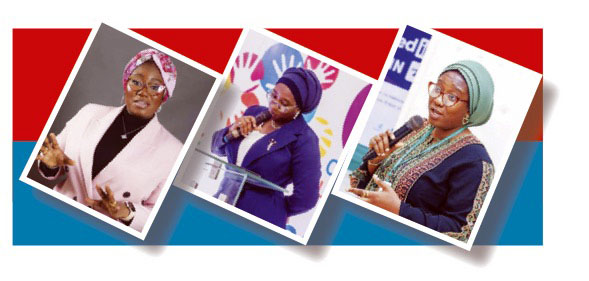
At a time when emotional resilience is being tested across homes, careers, and relationships in Nigeria, professionals like Haleema Gegele are stepping forward to redefine healing through supportive talk therapy, life coaching, Islamically integrated therapy, and relationship counselling.
Widely regarded by many as a top supportive female talk therapist in Nigeria and Africa, Gegele shares her journey and experience in helping individuals and couples live healthier lives in this interview.
You have been in your calling as a female talk therapist for some years. How did the journey begin?
My journey into talk therapy and coaching wasn’t something I woke up to one day, it was a gradual calling shaped by empathy, deep listening, and lived experience. Over the years, I found myself being a safe space for people navigating emotional pain, relationship struggles, and personal confusion. What started as informal guidance evolved into a structured professional path in talk therapy, Islamically integrated therapy, life coaching, and relationship counselling. I began to intentionally equip myself with the right tools, combining psychological principles with a humanistic and, in some cases, faith-integrated approach. Today, it has become a purpose-driven practice focused on helping people heal, grow, and align with their best selves.
Are your clients religious biased, or do you attend to people from across all faiths?
I work with Nigerians and clients across Africa and beyond from diverse religious and cultural backgrounds. My approach is inclusive and client-centred. However, I also offer Islamically integrated therapy for clients who prefer a faith-based approach rooted in Islamic teachings and spirituality. The beauty of my work is that it adapts to the client’s values, ensuring they feel seen, respected, and understood whether religious or not.
How has the experience been like so far?
It has been deeply fulfilling and humbling. Every client story is unique. Some come in overwhelmed by anxiety due to economic pressures in Nigeria; others struggle with relationship breakdowns, identity crises, or emotional burnout. One of the most powerful aspects of this work is witnessing transformation, seeing someone move from confusion to clarity, from pain to peace. It reminds me daily that healing and overcoming challenge is possible, no matter how heavy things may feel.
What you studied in school is different from your present calling. How were you able to navigate the transition?
That’s a very common reality, especially in Nigeria where many professionals eventually find purpose outside their academic background. For me, it required courage, self-awareness, and continuous learning. I invested in personal development, professional certifications, mentorship, and practical experience. I also embraced the mindset that purpose can evolve and it’s okay to pivot when you discover where you truly thrive and that’s it for me.
What attracted you to this field?
My lived experience: people, their stories and silent struggles. I was drawn to the depth of human emotions and the realisation that many people are carrying burdens they don’t know how to process. I wanted to be part of the solution, to create a safe, warm, and non-judgmental space where healing can happen intentionally.
What are the challenges you face dealing with your clients?
One major challenge is the stigma around talk therapy in Nigeria. Many people still see seeking help as a sign of weakness rather than strength. Another challenge is when clients expect instant results. Healing is a process; it requires commitment, honesty, and patience. There are also situations where clients struggle with accountability, especially in relationship counselling. For example, a couple may come in expecting me to “fix” the other person, rather than doing the inner work themselves. Navigating that requires skill, emotional intelligence, and firmness.
What advice do you have for Nigerians regarding seeking talk therapy?
Therapy is not a luxury, it is a necessity, especially in today’s fast-paced and pressure-filled Nigerian environment. You don’t have to wait until things fall apart before seeking help. Whether it’s stress, confusion, relationship issues, or simply the desire for personal growth, Talk therapy and life coaching can provide clarity and direction. Seeking help is not weakness, it is wisdom.
Is it possible for you to manage a couple without both of them having access to what is being discussed?
Confidentiality is a core part of my practice. In couples’ counselling, there are structured ways to manage both joint and individual sessions. What is shared privately is handled with professionalism and ethical discretion. However, the goal is always to encourage healthy communication and transparency where necessary for growth.
Would you say you are fulfilled doing what your are doing?
Yes, I am fulfilled, but I also believe there is more to do. Fulfilment for me comes from impact, knowing that lives are being transformed, relationships are being restored, and individuals are becoming more self-aware and emotionally balanced.
With the current economic realities in Nigeria, how is mental health being affected?
The economic situation has significantly increased stress, anxiety, and emotional fatigue among Nigerians. Many people are dealing with financial pressure, job instability, and uncertainty about the future. This often shows up in relationships via miscommunication, frustration, and emotional withdrawal. Therapy helps individuals manage these pressures in healthier ways and build resilience.
What makes you stand out as a top female therapist in Nigeria and Africa?
I would say it’s the combination of empathy, structure, and adaptability. My approach is deeply humanistic, I don’t just “treat issues,” I connect with people. I also integrate practical tools clients can apply in their daily lives. And importantly, I tailor each session to the individual, ensuring it is relevant, impactful, supportive, and results-driven.
Can you share a practical example of transformation from your work?
I once worked with a young professional struggling with burnout and constant anxiety due to work pressure in Lagos. Through structured talk therapy and coaching, we worked on boundary-setting, emotional regulation, and redefining success. Within weeks, she began to experience clarity, improved productivity, and emotional balance. That’s the power of intentional healing. But mind you, she also was intentional about changing her lifestyle, she put in the work, did all her assignments, was committed to her daily tasks and she got the result she was wanted with my guidance and accountability.
What role does relationship counselling play in today’s society?
A very critical one. Many relationships today suffer not for lack of love, but from lack of understanding, communication, and emotional intelligence. Relationship counselling helps couples navigate these gaps, rebuild trust, and create healthier dynamics.
What is your message to young women trying to find their path?
Give yourself permission to evolve. You don’t have to have everything figured out immediately. Invest in your growth, trust your journey, and don’t be afraid to step into spaces that align with your purpose.