Follow Us on Google

By Henry Uche
Policies are not just numbers on paper, they affect real families, real children, and real lives. Marriages are under pressure, parents are overwhelmed, and many youths are tempted to give up or seek unhealthy alternatives because they feel abandoned by society Nigerians are incredibly resilient but resilience should not be abused. People are stretched beyond their limits, and many are losing faith in the system because they feel unheard.
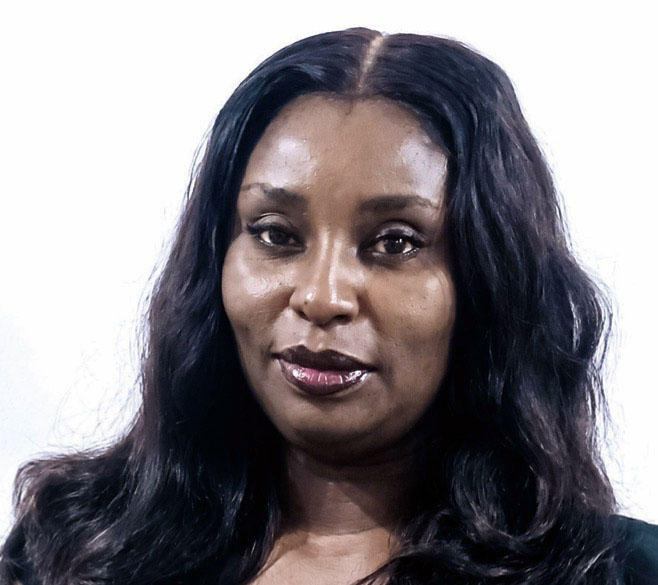
These are the exact words of a Nigerian female clergy and sectional head, Assemblies of God Nigeria, for the women’s wing, Mrs Goodness Emmanuel as she analyzes the effect of the current economic realities and it’s challenges on Nigerian families.
Mrs. Emmanuel spoke to Daily Sun recently in Lagos:
Women faith leaders often see community struggles firsthand. How does your perspective as a clergy woman shape how you view Nigeria’s current social and economic challenges?
I do not experience Nigeria’s challenges from newspapers alone; I see them in the faces of people every day. I sit with mothers who cannot afford food despite working hard, young graduates who have lost hope of employment, widows struggling to survive, and families silently battling depression because of financial pressure.
As a woman, I have a closer view of the emotional side of the crisis. Beyond inflation and insecurity, people are tired mentally and spiritually. Many are carrying fear, disappointment, and uncertainty about tomorrow.
I also see how these hardships affect homes. Marriages are under pressure, parents are overwhelmed, and many youths are tempted to give up or seek unhealthy alternatives because they feel abandoned by society.
At the same time, my faith reminds me that Nigeria is not without hope. I believe our people are resilient, hardworking, and deeply gifted. What we need is leadership with compassion, integrity, and genuine concern for ordinary citizens. The church must also move beyond preaching alone and become more intentional about supporting people practically and emotionally.
How can Nigerian faith communities do a better job of empowering women and youth to take active roles in nation-building and community resilience?
Faith communities must begin to see women and youths not just as followers, but as partners in leadership and change. Many women are gifted with wisdom, organizational ability, and emotional intelligence, yet they are often limited to background roles. The same applies to young people whose ideas and energy are sometimes ignored.
Churches and ministries can empower them by creating real opportunities for leadership, mentorship, skills acquisition, and community development projects. Instead of only telling youths to “be patient,” we should help them discover purpose, build competence, and develop confidence.
For women, empowerment also means giving them platforms to speak, lead initiatives, and contribute to decision-making. A woman who is spiritually sound, emotionally healthy, and economically empowered will positively influence her home and community.
The church should also teach responsibility alongside faith — values like honesty, service, discipline, compassion, and accountability. Nation-building starts with building people of character.
From hyper-inflation to security challenges, ordinary citizens are under immense pressure. How is your ministry practically helping people manage the psychological and economic toll of these tough times?
In times like these, ministry must become both spiritual and practical. People need prayers, but they also need support, encouragement, and human compassion.
In our ministry, we try to create an atmosphere where people can speak honestly without shame.
Many people are emotionally exhausted, so we pay attention to counseling, encouragement, and checking up on families regularly. Sometimes, what people need most is simply to know they are not alone.
We also encourage skill development, small business support, and financial wisdom. As much as possible, we organize outreach programs to support struggling families with food items, school support, and emergency assistance when needed.
For young people especially, we emphasize mental and emotional strength. Many are discouraged because life has not turned out as expected. We remind them that their worth is not defined by the economy and that difficult seasons do not last forever.
Most importantly, we try to restore hope. A hopeless person stops trying, but a hopeful person can keep moving even in hardship.
What is the core vision for the women’s ministry in your section?
The core vision is to raise spiritually grounded, emotionally whole, economically empowered, and purpose-driven women who reflect Christ in every sphere of life. We aim to build women who: Know God deeply, build godly homes, influence society positively, support missions and kingdom expansion.
What are the most pressing spiritual needs of women today?
From my pastoral experience, the pressing needs include: identity crisis – many women don’t fully understand who they are in Christ. Emotional healing , they carry wounds from family, marriage, or society. Spiritual consistency; they need to be consistent in prayer, Word study, discipline.
Faith under pressure- they need to balance their faith with modern demands. Hope and purpose, many women feel stuck or overlooked.
How has the ministry addressed these practical challenges?
We don’t only preach. We intervene practically. We are into family welfare matters including counseling, marriage seminars, parenting classes. We also help them in financial empowerment including skills training, cooperative groups, small business support.
We ear engaged in health awareness including medical outreaches, cancer awareness, maternal health education as well as provide support systems which is basically for widows and needy women(families).
How has your personal faith guide your leadership?
My leadership flows from my relationship with God. Prayer, the Word, and the Holy spirit guide my decisions. When I face challenges, I don’t rely only on experience. I seek divine wisdom. I lead with patience, integrity and of course total dependence on God.
How do you help women build resilient and strong faith?
We teach women to build faith that is rooted in scripture, tested through real-life situations, sustained by daily discipline. We encourage: Personal devotion, small accountability groups, faith-based problem solving and authentic Christian living.
What are your biggest hopes for women in your section?
My dreams are to see women who are spiritually mature and fearless. We want to see homes that reflect Christ. We want to raise women leaders in ministry, business, education, and society and have a generation of daughters who surpass their mothers in impact.
How prepared are the Teens and Gen Z for future challenges?
Honestly, many parents are trying—but the world is changing faster than parenting patterns, though we cannot rule out the fact that some parents are negligent in this aspect for whatever reason. I might not know. Gen Z faces: Digital exposure, identity confusion, peer pressure, emotional instability, they are smart,—but many are not yet emotionally and spiritually prepared for life’s challenges. Therefore, we must return to intentional parenting, model godliness at home, teach resilience, not comfort and most importantly these teenagers must see their parents modeling the life they preach. Commensurate discipline does not kill any child.
What is your take on women and politics?
There is absolutely nothing wrong with women going into politics. We encourage women to be involved in governance and politics—with integrity and God’s values. So women must influence policy anywhere they found themselves, we must stand for justice at all time, we must represent godly values in leadership spaces. Gone are the days were women are seen as mediocre and a voice note to be heard. We got what it takes to make huge impact and change the society for better. Most organizations women lead are doing very well.
As a teacher, can you compare the past with the present education content?
In our days, learning was slower but deeper. Discipline was stronger, teachers were highly respected. But today; information is abundant (the good, the bad, the ugly). Technology is advanced, but attention span is weaker and moral discipline is drastically declining. Now, am I afraid for Nigeria’s future and concerned? Yes. However, I am hopeful because with the right guidance, this generation can still rise greatly.
Given the enormous challenges, would you encourage young ladies to marry pastors?
Yes, I would encourage it but with understanding and calling. Being a pastor’s wife is not just marriage. It is also a ministry. A woman must be spiritually strong, she must be selfless, possess understanding, be ready to sacrifice and be ready to serve people. If God calls you to it, it is a beautiful and fulfilling assignment. Because just recently someone told me I signed up for it, simply put, they must be willing to give what it takes for it to work. It’s just like any other godly home, there is a part where you “work”.
What is your advice to women in ministry and Nigerian women generally?
“Arise.” Arise in faith. Arise in purpose. Arise in influence. Arise in your God-given identity. The world is waiting for the strength and grace that God has deposited in you. You are a voice in your home, in your church and in the society at large!
If you were to sit down with Nigeria’s leadership today, what is the single most urgent message of hope, warning, or advice you would give them on behalf of the people you shepherd?
My message would be this: please remember the people behind the statistics.
Policies are not just numbers on paper — they affect real families, real children, and real lives. Nigerians are incredibly resilient, but resilience should not be abused. People are stretched beyond their limits, and many are losing faith in the system because they feel unheard.
Leadership must become more compassionate, transparent, and people-centered. The nation cannot heal where corruption, injustice, and selfishness continue unchecked.
At the same time, I would remind them that leadership is stewardship. God gives authority so leaders can serve, protect, and uplift the people, not distance themselves from their suffering.
My message of hope would be that Nigeria can still rise. But rebuilding trust will require honesty, sacrifice, accountability, and sincere commitment to the welfare of ordinary citizens. The people do not expect perfection; they simply want to see genuine care and visible effort.