Follow Us on Google
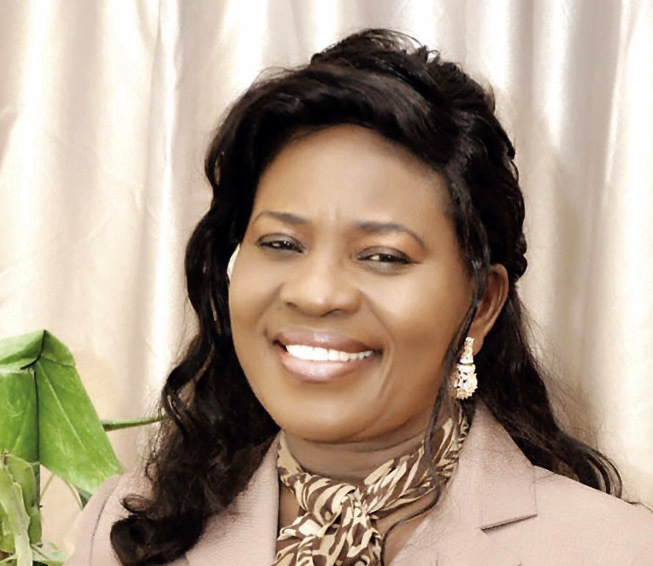
By Bianca Iboma -Emefu
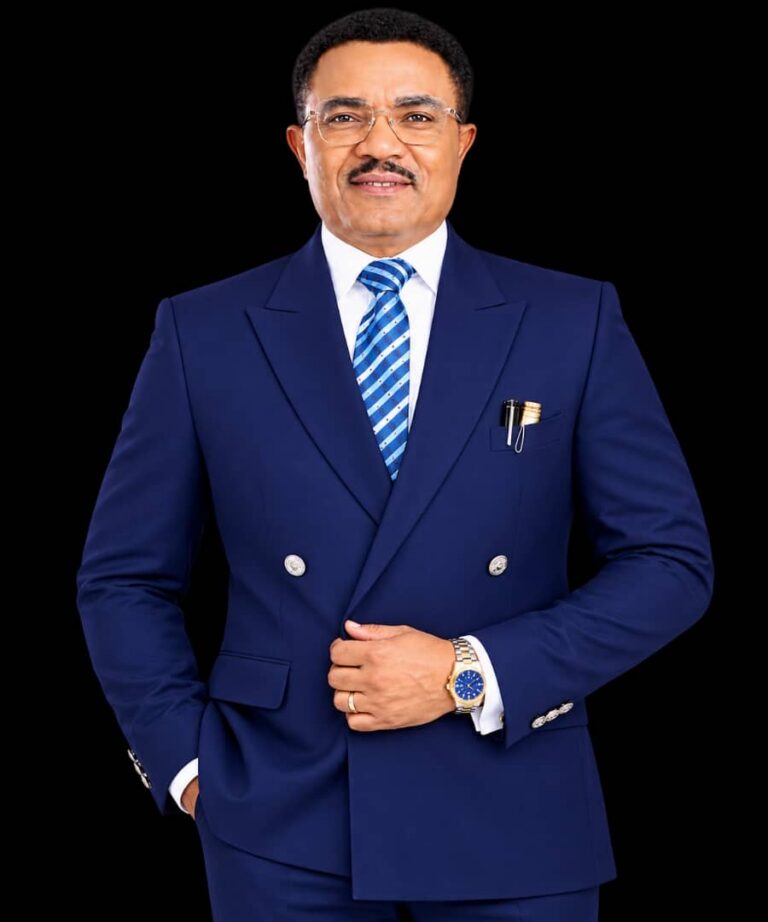
In a world where the lines between professional duty and spiritual calling are often drawn strictly apart, Mrs. Helen Nkechi Nkwo has spent the better part of four decades blurring those boundaries with grace. As she marks her 60th birthday this July—a milestone coinciding with her formal retirement from NETCO, a subsidiary of NNPC Limited—she leaves behind a legacy of integrity that is as profound as the spiritual work she leads. Beyond the boardroom, Pastor Nkwo is widely recognized as the Senior Pastor of The Lord’s Worshippers Assembly in Ajah and an advocate for the marginalized, serving as the Convener of the Lifted Life Rehabilitation Centre. In this exclusive interview, we explore how she successfully navigated the demands of the corporate sector, the classroom, and the pulpit, proving that it is indeed possible to serve both God and nation without compromise.”
In this exclusive interview, the cleric shares reflections on her remarkable journey, the secrets to her incorruptible record in the oil sector, her vision for youth restoration, and the lessons she hopes to pass on to the next generation of Christian leaders and public servants.
What does the current situation on the ground tell us about the scale of drug abuse among Nigerian youths?
The crisis is escalating rapidly. We are seeing more young people from diverse backgrounds falling into substance abuse, often starting with easily accessible drugs. Many come from homes where parental oversight is weak or absent. The testimonies we receive at the centre reveal broken dreams, health deterioration, and families torn apart. It is a national emergency that demands urgent attention.
What prompted you to establish the Lifted Life Rehabilitation Centre amid Nigeria’s growing youth drug crisis?
The alarming rate of substance abuse among our young people deeply troubled me. Despite Nigeria’s rich human potential, many youths are trapped in addiction, destroying their futures and families. After observing this trend over the years, I felt a strong calling to act. The centre was born out of a desire to offer recovery, counselling, rehabilitation, and genuine hope to those struggling with dependence, helping them rebuild their lives.
From your experience running Lifted Life since 2024, how alarming is this trend among youths, and what patterns did you observed on the ground?
The statistics are not just numbers — they represent shattered dreams and broken families. At Lifted Life, we have supported 400 to 500 young people across six seasons, with over 70 fully rehabilitated and reintegrated. The reality is far more alarming than the figures suggest. Many youths start as early as secondary school with accessible substances like marijuana, tramadol, codeine, and even escalating to ice and other hard drugs.
We see patterns linked to peer pressure, curiosity, academic stress, unemployment, and exposure through entertainment and street culture.
In your view what role should government play in tackling this epidemic?
Government must lead with stronger enforcement, as highlighted by NDLEA efforts, but also invest heavily in prevention, rehabilitation infrastructure, and youth empowerment programmes. Policies should focus on creating opportunities — jobs, skills training, and education — so young people are not idle and vulnerable. Corruption in public institutions undermines these efforts; leaders must model integrity.
How critical are the roles of parents and society in preventing youth drug abuse? Parents are the first line of defence. Many youths fall into addiction due to neglect, lack of supervision, or broken homes. Families must rebuild strong values, monitor their children, and create open communication channels. Society at large — churches, schools, communities — must stop glorifying substance use in music, social media, and popular culture. We need collective responsibility to protect our future generation.
How does education and skills development fit into the solution?
Education and vocational training are powerful tools for prevention and rehabilitation. When young people acquire skills and see a clear path to productive living, they are less likely to turn to drugs. At the schools, we emphasise holistic development — character, academics, and practical skills — to raise responsible citizens. Rehabilitation must go beyond detox to include empowerment so recovered youths can become self-reliace
Your 60th birthday and retirement thanksgiving service featured powerful testimonies from beneficiaries of your rehabilitation centre. What message do these recoveries send?They prove that no life is beyond redemption. Young people who were once ruined by addiction are now restored, productive, and even becoming agents of change themselves. We are literally building heroes from the ruins. Their stories should inspire hope across the country that with the right support, spiritual, psychological, and social — recovery is possible.
How would you reflect on your corporate journey, with your recent retirement;what final charge would you give to Christians and leaders in public service?
Serve with integrity. It is possible to work in government or any public institution without corruption. Let your life reflect the character of Christ. Study the Bible diligently, live uprightly, and use your position to help the vulnerable, especially our struggling youths. The nation needs more leaders who fear God and prioritise service over self.
Other News
What is your vision for the Lifted Life Rehabilitation Centre and the broader fight against youth drug abuse?
To expand our reach, partner with more stakeholders, and see a significant reduction in youth addiction rates. Ultimately, we want to raise a generation of transformed, empowered young Nigerians who will contribute positively to national development. With collective effort from government, parents, religious bodies, and society, we can turn the tide.
Can you share some of the specific rehabilitation techniques and approaches used at the Lifted Life Rehabilitation Centre?
Our approach is holistic, addressing the body, mind, spirit, and future of each individual. We combine medically supervised detoxification with counselling sessions that tackle underlying trauma, family issues, and psychological triggers. Spiritual restoration through prayer, Bible study, and faith-based mentoring forms a core pillar, helping participants rebuild their identity and purpose. We incorporate life skills training, vocational workshops, and peer support groups where recovered individuals share testimonies. Aftercare is crucial; we provide follow-up mentoring, family reconciliation sessions, and reintegration support to prevent relapse. The goal is not just sobriety but total transformation into productive members of society.
How do these techniques differ from standard government or secular rehabilitation programmes?
While we collaborate with medical professionals and align with best practices, the distinguishing factor is the integration of faith and spiritual healing. Many youths arrive broken in spirit; addressing that dimension alongside physical and psychological care yields deeper, lasting change. Testimonies from our beneficiaries often highlight how encountering God’s love became the turning point that no amount of therapy alone could achieve.
Turning to enforcement, what are your thoughts on the NDLEA’s current strategies in combating drug trafficking and abuse?
The NDLEA has made commendable strides, especially in supply reduction through intelligence-led operations, port and border surveillance, use of technology like body scanners, and sniffer dogs. Their focus on dismantling drug barons by freezing assets, forfeiting properties, and targeting clandestine laboratories — such as recent methamphetamine busts — is disrupting the trade significantly. The new National Drug Control Master Plan (2026–2030) emphasises a balanced approach: enforcement alongside demand reduction, prevention, treatment, and rehabilitation.
What gaps remain in NDLEA’s enforcement and how can they be addressed?
While enforcement is strong on the supply side, more resources are needed for demand reduction and nationwide rehabilitation infrastructure. The agency should establish treatment centres across geopolitical zones, which is vital given the limited existing facilities. Greater collaboration between NDLEA, faith-based organisations like ours, Lifted Life Rehabilitation Centre, NGOs, and communities would create a stronger ecosystem,using enforcement to stop the flow while rehabilitation mops up the victims. Public enlightenment campaigns should be intensified, especially in schools and rural areas.
How can government enforcement strategies better support grassroots rehabilitation efforts like yours?
By providing funding, training, and regulatory support for private and faith-based centres like Lifted Life Rehabilitation Centre. NDLEA’s Drug Demand Reduction Unit already engages in counselling and aftercare; scaling partnerships with proven initiatives would multiply impact. Faster referral systems from arrests to rehabilitation — treating users as victims needing help rather than just criminals — would be transformative. Joint advocacy for stronger laws against drug peddling near schools and recreational spots is also essential.
In your experience, what combination of enforcement and rehabilitation offers the best hope for resolving Nigeria’s youth drug crisis?
A “carrot and stick” approach: firm enforcement to make drugs expensive, risky, and scarce, paired with compassionate, accessible rehabilitation that restores dignity. When young people see both consequences and genuine opportunities for recovery, they are more likely to choose the right path. We must build heroes from the ruins — through justice on one hand and mercy with structure on the other. This balanced strategy, driven by all stakeholders, is how we will win this battle.
Recently you celebrated your 60th birthday anniversary and 35 years in public office. What lessons would you say life has taught you?
Life has slowly carved compassion into my heart,then humility.Humility is the only reliable compass. Early in my career, I humbly followed my boss who mentored me and saw me grow in the job. I rose to the position of
Which was thought I had most of the answers. Experience taught me otherwise. The longer I served, the more I realized how much I didn’t know. Every constituency meeting, every late-night hospital visit, every mother who poured out her fears about feeding her children reminded me that real wisdom begins with listening—deeply, patiently, without preparing your rebuttal. Pride closes doors