Follow Us on Google

A new prosthetic technology that allows artificial limbs to be fitted, adjusted and remoulded directly on patients is being introduced in Nigeria, one that significantly reduces the time and logistical burden associated with conventional prosthetic care.
Known as the Amparo Direct-Fit process, the technology is being introduced through an exclusive partnership between IfeanHealth Orthopedics and Amparo, with the collaboration also focused on training Nigerian prosthetists and orthotists to use the system.
The technology is designed to make prosthetic care more mobile, adaptable and accessible, particularly for people living with limb loss who face financial, geographical or logistical difficulties in accessing specialised services.
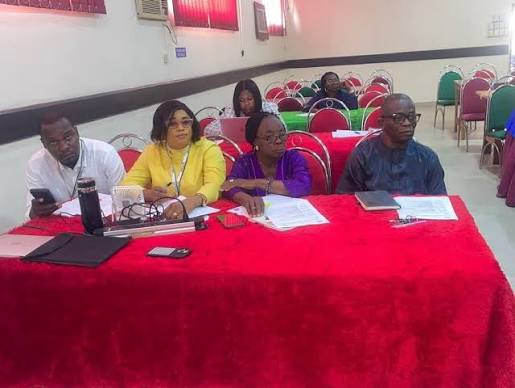
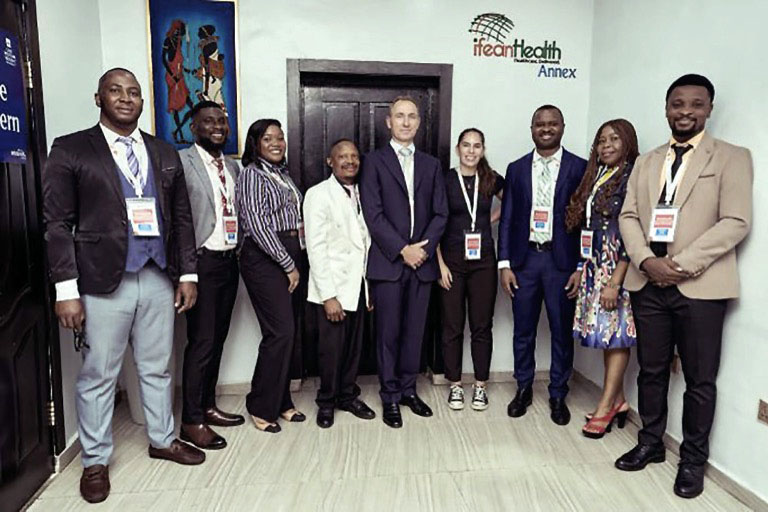
Speaking during a training programme on the technology, founder and CEO of IfeanHealth, Ejike Anih, said one of its major advantages was the speed with which a prosthetic socket could be produced and fitted.
According to him, a process that traditionally can take multiple clinic visits and more than 40 hours could, in appropriate circumstances, be completed in about one hour using the Amparo system.
He said this was particularly important because prosthetic fitting was not always a one-time process, as patients’ bodies could change significantly after amputation.
Anih explained that the Amparo system allows the socket to be adjusted or remoulded when a patient’s residual limb changes, including when the patient gains or loses weight.
Under conventional practice, significant changes in the residual limb may mean that an existing socket no longer fits properly, potentially requiring the fabrication of a new socket.
The new approach, he said, could allow practitioners to make adjustments without necessarily starting the entire fabrication process again.
Direct-fit approach reduces fabrication time
The international trainer from Amparo and a certified prosthetist and orthotist, Venessa Corvalha, explained the technical difference between the two approaches during the training, explaining that a conventional prosthetic fitting usually starts with taking a plaster cast of a patient’s residual limb.
“The negative cast is then used to produce a mould, which is modified before the socket is finally fabricated in a workshop. The patient subsequently returns to the clinic for alignment, fittings and gait training.”
Corvalha said the conventional process could involve several visits because need for adjustments might only become apparent when the patient eventually tries on the fabricated socket.
“Sometimes we might think, as clinicians, that this will work for that patient. When the patient comes back to try it, it doesn’t work,” she explained.
In some cases, she said, patients could require four or more visits before an acceptable fit is achieved. The Amparo process differs by allowing the prosthetist to work directly with the patient during fabrication.
She said: “Rather than completing much of the fabrication away from the patient and waiting until a later appointment to assess the result, the clinician can obtain immediate feedback from the patient and make adjustments during the fitting process.
“The approach could reduce fabrication time from several hours to about one hour in appropriate cases, while giving clinicians greater flexibility to respond to the patient’s needs.
She said patients who experience significant changes in body weight or changes in the residual limb may find that a conventional socket becomes uncomfortable or unsuitable over time.
“With the Amparo approach, however, the socket can be remoulded and adjusted to accommodate such changes.
“This could be particularly useful for patients undergoing rehabilitation after amputation, when the shape and size of the residual limb may continue to change,” she added.
On his part, Chief Strategic Officer, Amparo, Howard Russell, said the technology could also support earlier prosthetic intervention following amputation.
He explained that conventional practice could involve waiting for the residual limb to stabilise before fabricating a definitive socket, whereas a remouldable socket could potentially be fitted earlier and subsequently adjusted as the limb changes during recovery.
“For a new amputee, the sooner they have prosthetics, the sooner they become mobile again,” he said.
The trainers said earlier access to prosthetic rehabilitation could help patients resume daily activities sooner, while mobility could also support their broader physical and psychosocial rehabilitation.
Mobile technology could expand access to care
Meanwhile, Anih said the equipment required for fitting could be transported to different locations, reducing reliance on the extensive fixed infrastructure traditionally associated with prosthetic fabrication.
In some circumstances, he added, the mobile nature of the system could make it possible for fittings to be carried out closer to patients, including in their homes.
Anih continued: “This could be particularly relevant in Nigeria, where patients may have to travel considerable distances to access specialised prosthetic services.
“Repeated hospital visits can add transportation costs and other financial pressures to the cost of treatment, particularly for people who have already experienced income loss or other economic difficulties following limb loss.”
The training also highlighted the potential of the technology to improve the productivity of prosthetic and orthotic professionals.
The organisers said faster fitting could enable practitioners to attend to more patients within the same period, an important consideration in a country where the number of specialists remains limited relative to the need for rehabilitation services.
“For the trainees, it just allows them to use their skills to help more people,” one of the trainers said.
Anih said IfeanHealth currently operates in six cities: Lagos, Abuja, Enugu, Kano, Sokoto and Delta and plan to expand its services to other parts of the country.
He said the organisation hoped the technology would help establish a more consistent standard of prosthetic care across its locations while extending services to Nigerians who currently have limited or no access to specialised prosthetic care.
According to IfeanHealth and Amparo, the ability to remould and adjust the Amparo potentially reduces costs over time.
The trainers also said the useful life of a prosthetic device generally depends on several factors, including the quality of the device, how frequently it is used, changes in the patient’s body, environmental conditions and maintenance.
The training programme, the organisers further disclosed was designed to equip Nigerian prosthetists and orthotists with the skills required to use the technology, with the next stage expected to involve applying those skills in actual patient care.
Funding support remains critical for patients
Anih said affordability remained an important part of IfeanHealth’s work, particularly for low-income patients who may otherwise be unable to afford prosthetic devices.
He said the organisation assists patients in accessing funding and discounts where possible and works with sponsors and other partners to reduce the financial burden.
For children, Stanbic IBTC’s Together4ALimb (T4AL) programme, he said has provided prosthetic limbs through IfeanHealth to 250 beneficiaries across Nigeria over the past 12 years.
For adults, Anih said there was no equivalent nationwide dedicated funding programme, but IfeanHealth works with potential sponsors, religious and community leaders and health insurers to support patients facing financial difficulties.
The organisation also negotiates discounts with partners and passes the savings to patients where possible, he said.
The partnership comes at a time when access to rehabilitation and assistive technology remains an important part of restoring independence among people living with limb loss.
Anih urged Nigerians living with limb loss not to regard amputation as the end of an active life.
“Losing a limb is not losing a life. You can walk again. You can dance again. You can get back to your life again,” he said.
He said IfeanHealth would continue to focus on innovation; technology, training and research to improve prosthetic care and help more Nigerians living with limb loss regain mobility and independence.