Follow Us on Google
From Juliana Taiwo-Obalonye, Abuja
Nigeria has intensified efforts to tackle its development financing challenges by advancing the Integrated National Financing Framework (INFF), a groundbreaking strategy designed to mobilise resources and accelerate progress on the Sustainable Development Goals (SDGs).
This was made known at a three-day retreat from November 24 to 26 in Abuja.
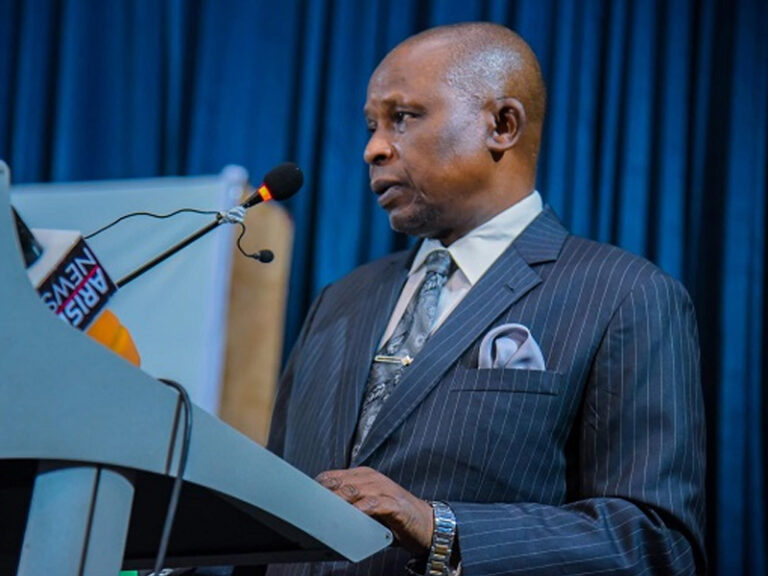
Described as one of the most important meetings on Nigeria’s financing future in recent years, the retreat brought together government officials, development partners, private sector players and civil society organisations. Their common goal is to transform the INFF from a policy document into a practical, results-driven tool capable of closing persistent financing gaps.
A statement by Special Assistant on Media, Publicity and Strategic Communications at OSSAP-SDGs, Desmond Utomwen, highlighted the retreat’s key resolutions: “Participants strongly called for sub-national integration since most development challenges and opportunities reside at the state level. Yet, financing strategies have remained heavily federal-centric.” The retreat resolved that the INFF must “embed tailored state-level approaches, improve FAAC utilisation and support states with capacity, investment readiness and project preparation.”
A unanimous recommendation was to establish a National Project Preparation Facility. Utomwen explained: “This facility will help states and Ministries, Departments and Agencies convert ideas into bankable projects capable of attracting investors. We must ensure that good ideas do not die because of poor structuring.”
The retreat also underscored the urgent need for high-level political commitment to restore investor confidence. Participants stressed that the INFF National Steering Committee “must take a more visible, active role in driving reforms, especially around tax policy, investment alignment, and public finance restructuring.”
The European Union delegation reinforced this point. EU representative, Reuben Alba-Aguilera said: “While public finance remains fundamental, it cannot on its own bridge Nigeria’s widening financing gaps. Innovative partnerships, blended finance tools and private sector mobilisation are now indispensable.”
He pledged the EU’s continued backing for governance, climate action and public finance reforms, describing the INFF as a vital platform for aligning finance with national priorities.
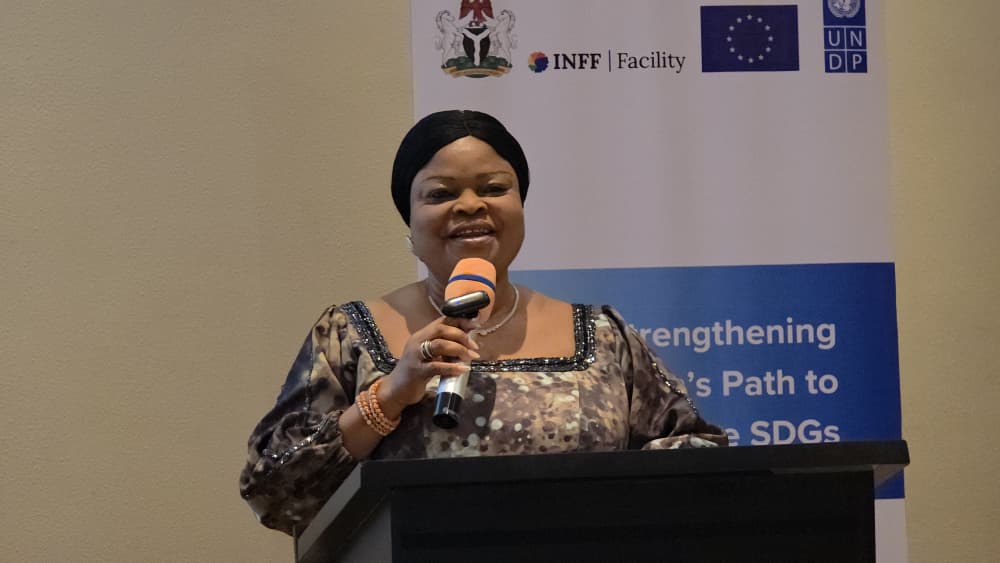
Senior Special Assistant to the President on SDGs, Adejoke Orelope-Adefulire, noted Nigeria’s progress, saying, “Development Finance Assessments and coordination structures are already in place. The INFF serves as a roadmap for mobilising resources more prudently, effectively and inclusively.” She also acknowledged persistent challenges, particularly in domestic resource mobilisation and aligning external finance with national needs.
Technical insights from the UNDP’s Tony Muhumuza, BOI Chairman, DMansur Mukhtar and others highlighted the critical need for coherence and trust in financing systems. As co-chair of the INFF Core Working Group, Felix Okonkwo articulated that the framework is “the nation’s strategic vehicle for orchestrating and mobilising resources across public and private quadrants.”