Follow Us on Google
By Doris Obinna
Nigerian Medical Association (NMA), Lagos chapter has lamented decades of unfulfilled promises, underfunding and structural decay in the health sector, even as Nigeria marked its 65th year of independence.
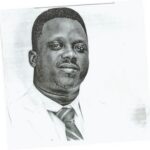
Its chairman, Dr. Babajide Kehinde, noted that Nigeria’s health sector has failed to achieve meaningful growth or meet the expectations of its citizens since independence. He described the system as “struggling with little or incommensurate achievements” despite the country’s abundant human and material resources.
Among the major challenges he highlighted were the government’s lack of interest in curbing the “Japa syndrome” the mass exodus of health professionals abroad in search of better opportunities, poor financing, inefficient allocation of resources, neglect of the primary healthcare system, and the failure to achieve universal health coverage.
He also pointed to the poorly structured health institutions, lack of adequate preparedness for emergencies, rising medical tourism, and the poor welfare of health workers as critical barriers to progress.
Other News
He stressed that Nigeria still lags behind global standards, with health sector budgetary allocations hovering between four and six percent, far below the 15 percent benchmark set by the Abuja Declaration in 2001. “Primary healthcare, which should be the foundation of any nation’s health system, has been left to rot, and this has negatively affected the secondary and tertiary levels of care.”
To reverse the trend, the NMA chairman called for urgent reforms, including robust remuneration packages to retain health professionals, massive infrastructural development, prioritization of primary healthcare, and a well-structured healthcare delivery system. He also advocated for the establishment of infectious disease hospitals and trauma centers in every state, along with multi-specialty health facilities that would help reduce medical tourism and restore confidence in the local system.
While acknowledging that Lagos state had made notable progress compared to other parts of the country but insisted that significant gaps remained, he emphasised the need for improved remuneration for healthcare workers, reinstatement of the pre-April 2025 salary scale, and implementation of non-taxable call duty allowances.
He further recommended the construction of more general hospitals in underserved areas like Ojo, Alimosho, Epe, Ajah, Ikorodu, and Oshodi, as well as specialist centers for cardiac care, renal treatment, pediatrics, orthopedics, and mental health across the state. According to him, strengthening the Lagos State Health Scheme (LASHA) and convening a Lagos State Health Summit would provide a platform for stakeholders to address critical issues in the sector.
“Integrity, humility, commitment, passion, and empathy for the medical profession and health sector must be non-negotiable in appointing leaders,” he stressed, calling for competent medical professionals to head health institutions and government ministries.