Follow Us on Google
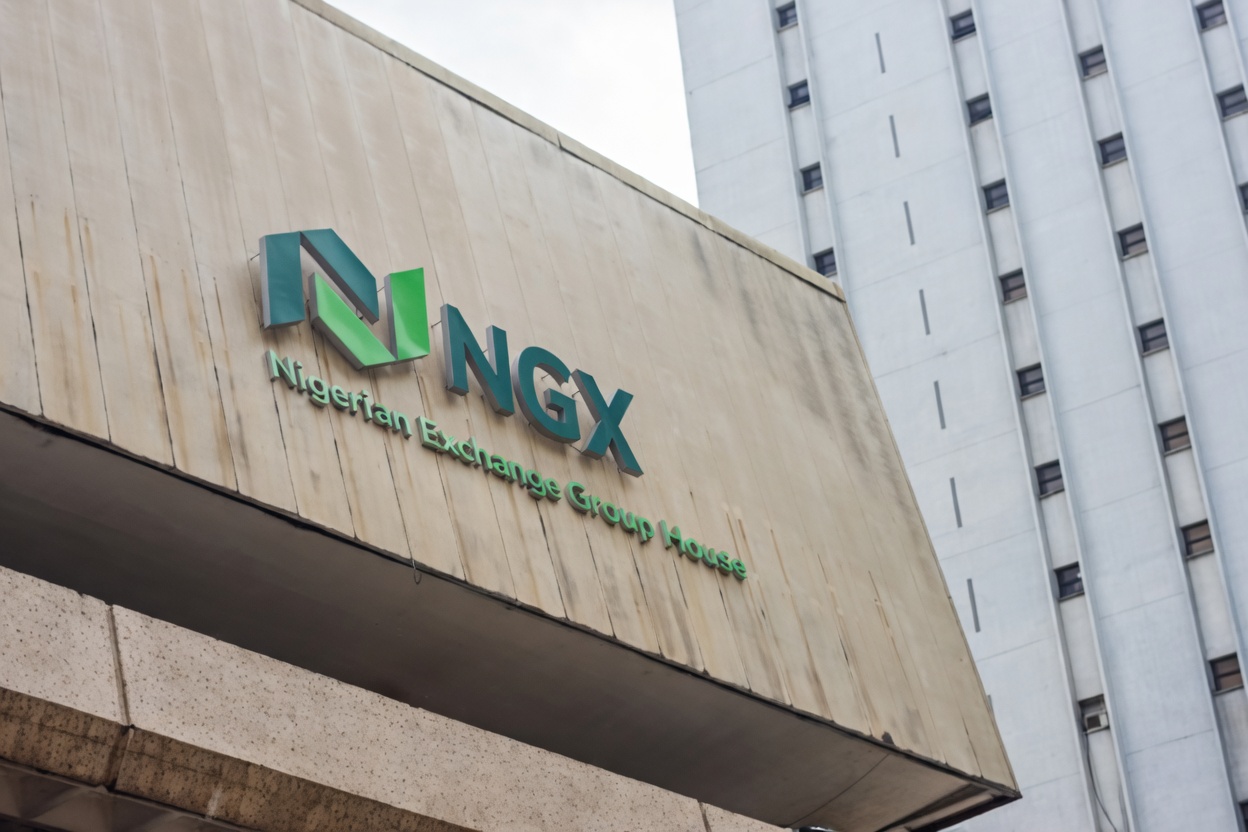
Net inflows into the Nigerian Exchange Limited (NGX) fell by 39.6 per cent month-on-month (m/m) to N15.08 billion in August, as foreign investors intensified their sell-offs amid a sharp slowdown in overall market activity.
According to the NGX domestic and foreign portfolio investment report for the month, foreign investors recorded net sales of N9.09 billion, while domestic investors posted net purchases of N24.17 billion, cushioning the impact of the foreign sell-off and keeping the market in positive net inflow territory.
The decline in net inflows came against the backdrop of a significant contraction in trading activity on the equities market, with total transactions falling 46.4 per cent m/m to N1.27 trillion, the lowest monthly turnover since February 2026.
Foreign investor activity was particularly weak during the month, with total transactions declining by 53.2 per cent m/m to N62.03 billion, representing the weakest level since April 2025.
The latest figures further underscore the declining participation of offshore investors in the equities market, with domestic investors continuing to account for the bulk of market liquidity.
Foreign investors accounted for just 4.9 per cent of total transactions in August, compared with 95.1 per cent for domestic investors.
The development is consistent with the broader trend recorded in the first half of 2026, when foreign participation in the Nigerian stock market fell to 12.07 per cent from 27.08 per cent in the corresponding period of 2025.
In contrast, domestic investors increased their contribution to market activity to 87.93 per cent during the first half of the year, compared with 72.92 per cent recorded in the same period of 2025.
Market operators attributed the weaker inflows and increased foreign selling to a combination of profit-taking, portfolio reallocation and operational adjustments arising from the transition to a new settlement framework.
Head of Research at FSL Securities, Victor Chiazor, said investors who had benefited from the strong equity market rally earlier in the year were increasingly locking in gains and moving part of their funds into fixed-income instruments.
“What we saw in August was largely a consolidation phase. Investors who had ridden the rally from January to July began to lock in gains, especially in some of the large-cap banks and energy names, and redeployed part of those proceeds into Treasury bills and commercial paper where yields remained very attractive,” he said.
Chiazor noted that the availability of double-digit yields in fixed-income instruments, alongside relatively lower perceived volatility, encouraged some institutional investors to rebalance their portfolios.
Research Lead at Cowry Asset Management Limited, Charles Abuede, also pointed to the ongoing transition to a new settlement framework as a factor affecting market activity.
“The settlement changes created some friction, particularly for foreign and some institutional desks that needed time to adapt their processes. That did not kill demand, but it certainly slowed the pace of trading,” Abuede said.
Despite the foreign sell-off, the positive net inflow recorded in August indicates that domestic investors continued to provide a measure of support to the equities market.
Market participants are now watching the impact of the Central Bank of Nigeria’s 350-basis-point reduction in the Monetary Policy Rate on portfolio allocation.
Cordros Research said lower fixed-income yields could improve the relative attractiveness of equities and encourage some funds previously invested in Treasury bills and bonds to return to stocks, particularly high-dividend and rate-sensitive companies.
However, the research firm cautioned that the sustainability of any renewed equity inflows would depend on the extent to which lower interest rates translate into cheaper credit, improved corporate margins and stronger earnings.