Follow Us on Google
By Goli Innocent
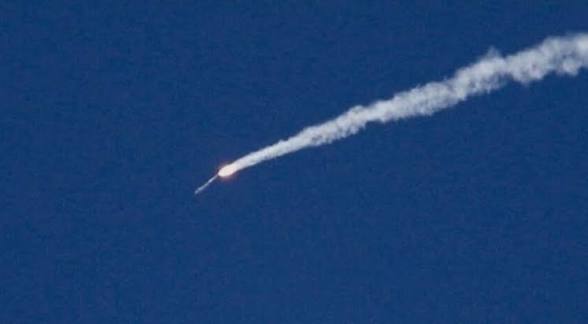
NATO forces intercepted a ballistic missile launched from Iran in Turkish airspace on Friday, marking the third such interception since the Middle East conflict intensified last month. The strike underscores rising tensions and the increasing role of Turkey as a frontline host for NATO defence systems.
Turkey’s Defence Ministry said the missile was neutralised by alliance air and missile defence assets deployed in the eastern Mediterranean. Hours earlier, sirens had sounded at the southern Incirlik airbase, a key NATO and US facility, and later in Batman, 600 kilometres east, as residents reported spotting a fast-moving object streaking across the sky.
The first Iranian missile was shot down on March 4, followed by a second interception on Monday. The incidents have raised alarm across the region, prompting the US to close its consulate in Adana and advise citizens to leave southeastern Turkey. NATO’s expanded missile defence posture has put Turkey at the centre of the alliance’s response strategy.
Other News
Incirlik hosts US troops alongside personnel from Spain and Poland, while Kurecik, in central Malatya province, operates an early-warning radar described by NATO as a “key element” of its missile shield. The radar system’s presence, though denied by Ankara as being used to aid Israel, has reportedly unsettled Tehran.
Iranian President Masoud Pezeshkian denied responsibility for the launch in a phone call to Turkish President Recep Tayyip Erdogan, as retaliatory strikes continue across the Middle East following the US-Israeli campaign against Iran that began on February 28.
The situation highlights the growing risk of escalation in the region. With Patriot missile systems now being deployed and NATO reinforcing its alliance-wide missile defence, any miscalculation could have wider repercussions for neighbouring countries and global security.
Analysts warn that repeated missile incidents near civilian areas and NATO facilities could further destabilise regional security, placing both local populations and strategic military assets in the spotlight. The coming days will be crucial in determining whether these interceptions prevent a broader confrontation or signal a dangerous intensification of hostilities.