Follow Us on Google
From Abel Leonard, Lafia
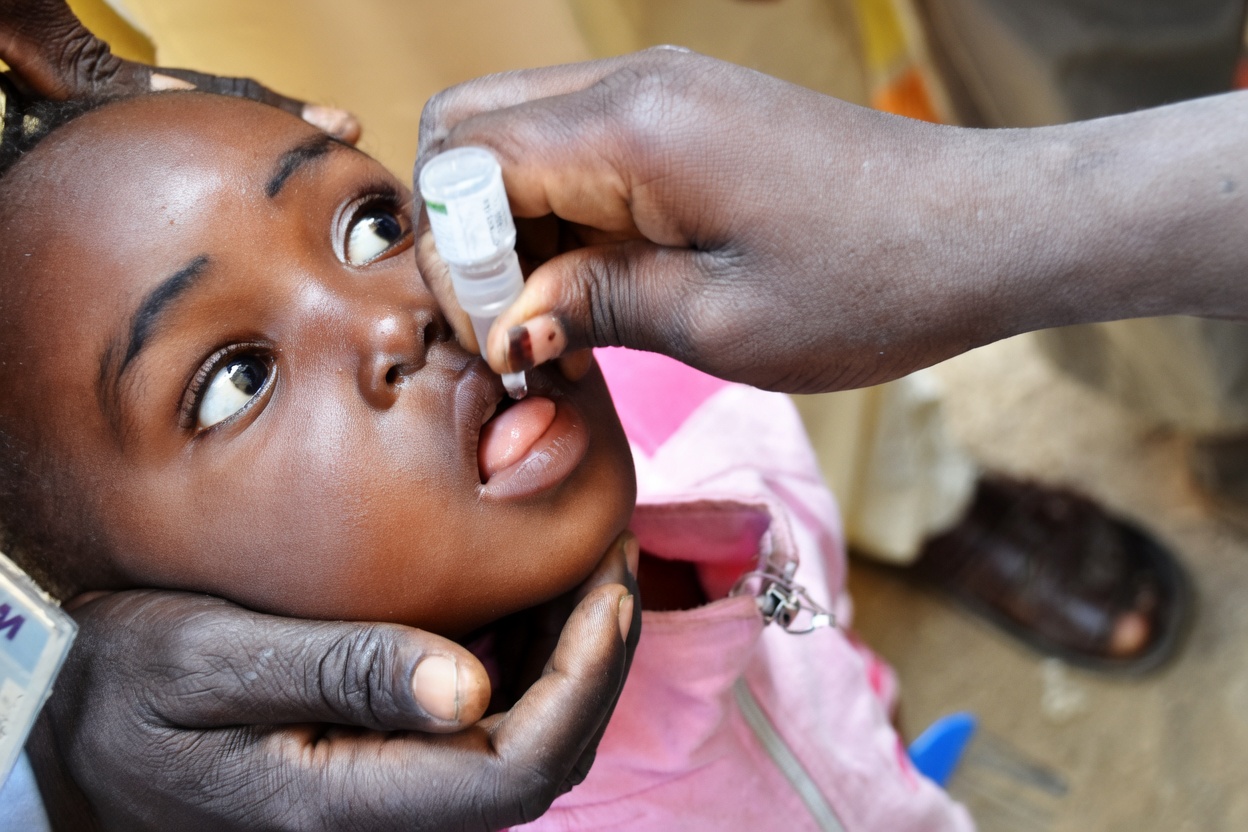
Nasarawa State has launched a fresh polio outbreak response campaign aimed at vaccinating over 1.3 million children amid concerns over persistent transmission and low immunisation coverage in some communities.
The four-day exercise, scheduled to run from March 28 to March 31, 2026, will target children aged zero to 59 months across the state through house-to-house visits and designated vaccination posts.
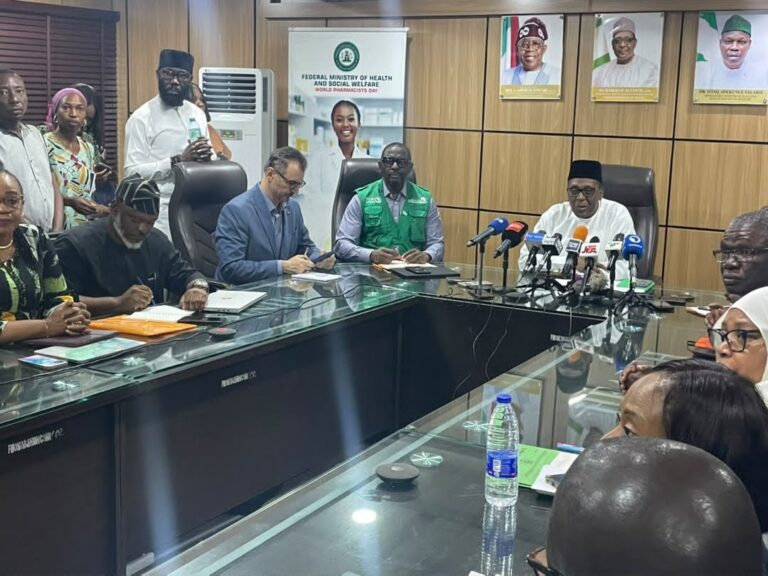
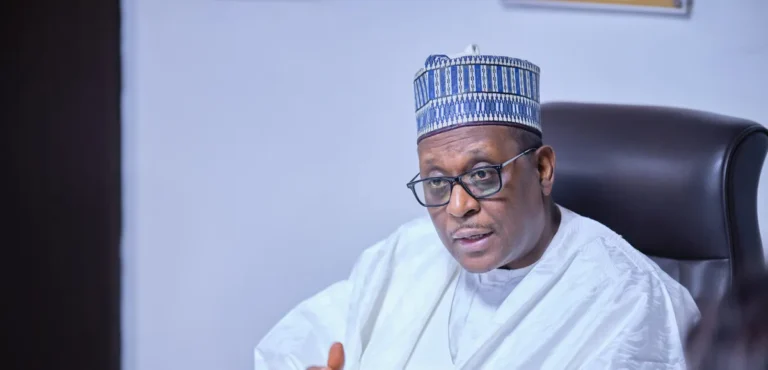
Speaking during a media engagement in Lafia on Thursday, the Executive Secretary of the Nasarawa State Primary Healthcare Development Agency (NAPHCDA), Dr Usman Saleh, said the campaign was designed to close immunity gaps and prevent further spread of the virus.
Dr Saleh, who was represented by the Director of Health Education and Social Mobilisation, Mohammed Ibrahim, stressed the need for accurate and timely information to drive participation.
“We want to leverage this vital opportunity to engage with the media so that we can disseminate appropriate, accurate and timely information regarding this campaign,” he said.
He explained that the agency is adopting a multi-sectoral approach, including engagement with religious leaders and school authorities, to reach underserved and hard-to-access areas.
Also speaking, the Health Specialist for Immunisation with the United Nations Children’s Fund Kaduna Field Office, Dr Ahmed Tsofo, described Nasarawa as a high-risk state in the current eradication efforts.
Other News
“Nasarawa State is one of the four states that we are supporting from the Kaduna Field Office. That is why we are here at this time to support quality implementation of the campaign starting on Saturday,” he said.
He warned that polio remains a serious public health threat due to its highly contagious nature and its ability to cause permanent paralysis or death, particularly among young children.
Dr Tsofo added that the campaign would deploy both house-to-house vaccination teams and fixed posts at healthcare centres, urging parents to make their children available.
“The topmost thing we want the media to do is to educate and enlighten the people so they understand the benefit of the vaccine and the disease it protects against,” he said.
In her presentation, a representative of the World Health Organisation, Dr Bosede Ezekwesili, said the persistence of circulating vaccine-derived poliovirus (cVDPV) is linked to gaps in routine immunisation.
She noted that the campaign would utilise the Oral Polio Vaccine (OPV), including the improved nOPV2, designed to reduce the risk of mutation.
Meanwhile, media expert Dr Kalu Idika called on journalists to take the lead in public enlightenment to counter misinformation and boost acceptance of the vaccine.
“The media has the capacity to influence how individuals perceive the importance of a news item. We must use that influence to ensure no child is left vulnerable to polio,” he said.