Follow Us on Google
From Fred Ezeh, Abuja
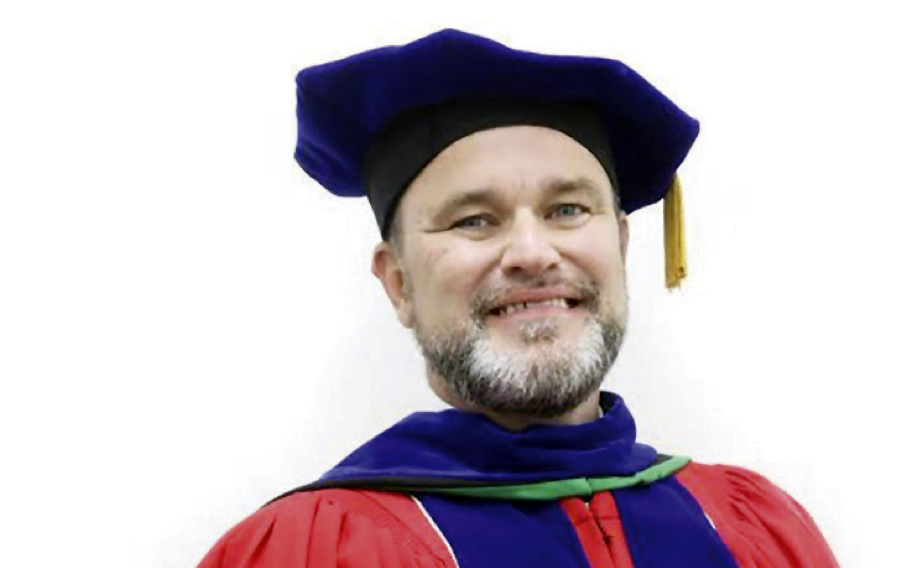
President, American University of Nigeria (AUN), Yola, Adamawa State, Dr. DeWayne Frazier, has explained why there are fewer foreign students in Nigerian universities. He also spoke on the roles AUN played in rehabilitating and educating the much-talked about Chibok girls.
Why do you think there are now fewer foreign students coming to Nigerian universities?
First and foremost, we have to look at the policies that make it easy or difficult for international students to come to Nigeria. I don’t think people fully realised what happened last year with some of the new policies. For instance, there are new requirements around health insurance for foreign students, with students having to pay more than $1,100 for insurance. That is a huge amount when you consider the cost of education and the purchasing power of families in other African countries. Policies like that can make Nigerian universities less attractive to international students.
We need to be asking ourselves: Do we want international students coming to Nigeria or not? I believe we should want them here. We have students from Cameroon, Niger, Ghana and other West African countries. When these students come to Nigeria, they bring different ideas, cultures and experiences. They also contribute to the economy.
We need to remove unnecessary barriers and make the immigration process seamless. If someone wants to come to Nigeria to study, we should make it easy for them to obtain the necessary documentation and settle into the country. An international student educated in Nigeria will also leave with a positive understanding of the country. That has long-term benefits for Nigeria.
What specific policies would you recommend to the Federal Government to make Nigeria more attractive to foreign students?
We should make immigration processes easier, review policies that increase the cost of studying in Nigeria and deliberately market our universities across Africa. We should also create incentives for universities that attract foreign students. Education is not just about teaching; it is also an economic activity. We need to see Nigeria as a regional education hub. We have the people, the universities and the resources. What we need is the political will and policies that encourage international students to choose Nigeria.
You have also spoken about the need to improve access to education for Nigerians. How can Nigeria balance attracting foreign students with addressing its own education challenges?
University is not for everybody, but education is for everybody. We need to ensure that every young person has access to some form of post-secondary education. That means expanding technical and vocational education and training, livelihood programmes and entrepreneurship education. We need to teach young people to become employers, not just employees.
Nigeria has a huge workforce and high unemployment. Entrepreneurship should therefore be embedded across our education system. At the same time, we must properly fund public universities. There is no shortage of intelligent young Nigerians. Some of the brightest young people I have met are here in Nigeria. We simply have to give them the tools to succeed.
What impact has the university made beyond its campus in Yola?
AUN is a private university with a public mission. Our work goes beyond the classroom. Our students work with public-school pupils, out-of-school children and communities. We conduct teacher training, livelihood programmes and entrepreneurship initiatives. We also have “Feed and Read”, which works with Almajiri boys. Instead of simply giving a child food for one day, we want to give him the education and skills that can provide food for a lifetime.
We teach English and Hausa and work with local imams, faculty and students. Some of these children speak Fulfulde or other local languages, so language skills can open opportunities for them in business and employment. We are also an economic engine for Yola. We have almost 800 employees and our students and alumni start businesses and create jobs.
Other News
How did the university manage the responsibility of educating and supporting Chibok girls who graduated recently?
When you see a convocation, you are seeing the end product. The real work is the process that leads to that moment, the learning, healing and transformation. The Chibok girls did not simply come to AUN, spend four years and graduate. Many arrived with post-traumatic stress, health challenges and, in some cases, malnutrition. Some had bullet fragments in their bodies. We therefore had to take care of the whole person, physically, mentally and intellectually.
Some also came with only primary-level education. We had to teach them English and written Hausa and prepare them academically before they could fully participate in university education. We also had to help them adjust to a different learning environment, where students are expected to speak, participate and express themselves. The girls have been amazing. Some have graduated, while others are undertaking livelihood training and learning how to run businesses. We don’t want to leave anyone behind.
Security is a major concern for parents in the North East. How safe is AUN?
I am a father of six, and one of my sons is with me in Yola. Would I bring my son to a university in a city I considered unsafe absolutely not? We have more than 400 security officers, and they have been professionally trained. We have controlled entrances, perimeter security, patrols and extensive lighting, including solar-powered lights. We also have a very strong relationship with the surrounding community. Imams, pastors and traditional leaders have worked together to promote peace. I feel very safe in Yola. I would confidently tell parents that their children can study here.
Artificial intelligence is changing the education sector globally. How is AUN preparing students for the AI-driven economy?
AI is here and it is here to stay. We are integrating it into our classrooms, courses, curriculum and assessments. Our students have developed an AI Chabot called Stanley the Stallion, named after our mascot. It answers questions about the university’s academic catalogue, policies and procedures. But we are equally concerned about ethics. We want students to understand how to use AI responsibly rather than allowing it to replace their own thinking.
Technology has always created fears in education. When scientific calculators were introduced, people thought they would destroy mathematics. They didn’t. AI will change education, but we need to teach students how to use it intelligently and ethically.
Nigeria is losing skilled professionals to the “Japa syndrome”. What needs to be done to persuade young Nigerians to remain in their country?
Japa is a real problem, and we cannot solve it by simply telling young people not to leave. We have to give them reasons to stay. That means jobs, good salaries, security, quality education and opportunities. Teachers and doctors should be prioritised. We cannot allow our best doctors and teachers to leave because they are not adequately supported. We also need quality postgraduate education within Nigeria. If we educate more people here and create opportunities for them here, they are more likely to stay and contribute to the country.
What is the legacy you hope to leave at AUN?
I want to leave an institution that is financially stable, collaborative and built on a strong foundation. We have worked hard to increase enrolment while maintaining financial discipline. We are moving towards a position where AUN can be self-supporting without depending on outside funding. I also believe leadership should be collaborative. There should be a seat at the table for everyone, faculty, security officers, cleaners, cooks, drivers and administrators. My legacy should be financial stability, humility and building an AUN that truly belongs to everyone.
What is your message to Nigerians particularly on the future of educationú?
Don’t take education for granted. We must fight for education and fight for our children. Government cannot do it alone. Teachers cannot do it alone. Parents and communities must become partners in education. Nigeria has enormous resources and some of the brightest young people in the world. If we make education a genuine national priority, properly fund it and give our young people the right opportunities, we can transform the country. It takes a village to raise a child, and it will take all of us to educate Nigeria.