Follow Us on Google

… seeks the establishment of mental health units in hospitals across LGAs
From Femi Folaranmi, Yenagoa
Members of the National Association of Seadogs (NAS), Oxbow Marino Deck, have expressed worry over the noticeable cases of mental health victims in Bayelsa State, calling on the state government to establish mental health units in hospitals across the eight local government areas to tackle early detection and treatments.
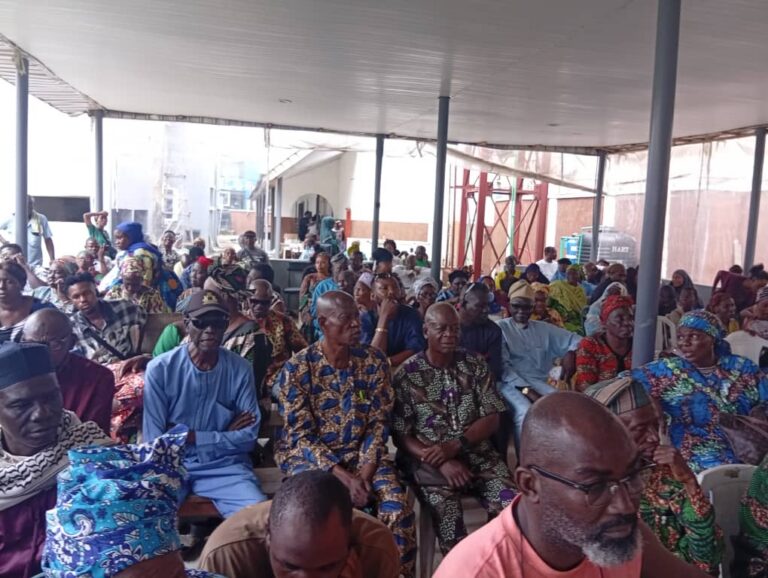
The NAS, Oxbow Marino deck made this known during a special radio programme in pidgin monitored on Royal FM 95.5, Yenagoa, to mark the World Mental Health Day 2025 with the topic “Access to Services: Mental Health in Catastrophes and Emergencies.
The programme, organized by the National Association of Seadogs (NAS), Oxbow Marino Deck, featured expert insights from Mr. Arikekpar Ibemelogi of the Niger Delta University, Bayelsa State, and Dr. Anthony Godfrey of the Bayelsa State Health Management Board.
Dr. Godfrey, who set the stage for discussion, declared that in times of crisis, making mental health support a core component of emergency response is a “moral imperative,” as psychological wounds are often the “most hidden and the slowest to heal.”
He demystified the concept of immediate mental health care, noting that “psychological first aid” is the crucial first layer, and it is not about lying on a couch.
“It focuses on safety, calming, and connection,” which includes meeting basic needs and providing compassionate support,” he said.
A significant part of the dialogue addressed the pervasive challenge of stigma, with the
conversation advocated for a strategy of integration and “de-labelling” by not calling it the ‘mental health tent’,”.
Other News
“Rather, suggesting terms like “stress support” and embedding the services within the general emergency response to make them more accessible.”
Echoing this, Mr. Ibemelogi highlighted the role of primary care clinics as critical gateways,noting that survivors often present with physical symptoms like headaches and insomnia, which can mask underlying trauma.
He called for systemic improvements, including “more training and clearer pathways” for doctors and a “seamless referral system” to specialist care to prevent “devastating” delays.
The programme concluded on a hopeful note, with both guests pointing to future innovations.
The conversation also highlighted tele-mental health as a “game-changer” for reaching displaced populations, while specifically championing the empowerment of local community health workers to build a sustainable, long-term support network.
The broadcast served as a crucial platform, reinforcing the message that seeking mental well-being support after a crisis is a sign of strength.
Persons with mental health challenges were advised to see psychiatric experts at the Federal Medical Center, Yenagoa, before the condition escalates.
An appeal was also made to the relevant authorities to embed Mental health units and well-trained staff into the primary health care facilities across the local government areas of the state, which can serve as first responders to curb the challenge.
PreviousLoading IMG-20251010-WA0005.jpg.
[email protected]