Follow Us on Google
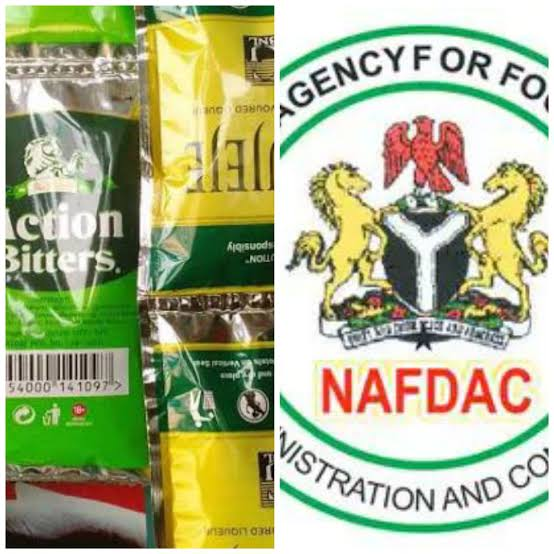
Due to unbridled consumption of alcohol beverages packaged in sachets by school children, the National Agency for Food and Drug Administration and Control (NAFDAC) has commenced street-level crackdown on sellers of alcohol packaged in sachets and bottles below 200ml. The agency’s new offensive stems from the fact that over half of minors who take alcohol do so through the prohibited packaging formats.
The crackdown has become necessary because cheap and tiny alcohol packs are easy for children and teenagers to buy and hide. It has been established that high-concentration alcohol in small portions contributes to severe substance abuse and long-term organ damage.
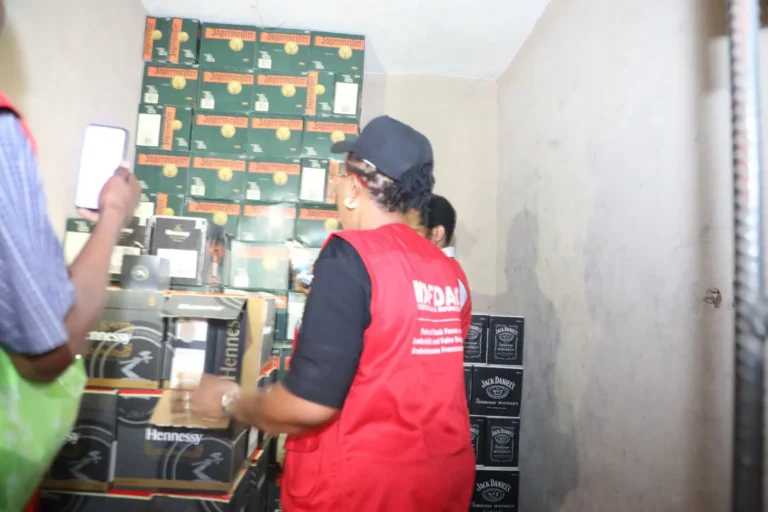
The enforcement of the ban on sachet alcohol will target markets, motor parks, retail outlets and bars, as well as distribution centres across the country. NAFDAC intends to get to the last points of sale where children and young people have access to prohibited alcohol. The overall goal of the exercise is to reduce underage drinking as well as limit minor’s access to cheap, highly portable and concentrated alcohol.
The ban prohibits the importation, manufacturing, distribution and sale of alcohol in sachets, small plastic (PET) and glass bottles of 200ml and below. The Director-General of NAFDAC, Prof. Mojisola Adeyeye, had explained that the agency would deploy seizures, intelligence gathering and sustained surveillance to reduce the banned products from circulation.
Research findings that necessitated the ban revealed that 47.2 per cent of minors and 48.8 per cent of underage consumers procured alcoholic drinks in sachets, while 41.2 per cent of minors and 47.2 per cent of underage consumers procured them in PET bottles. According to the NAFDAC boss, “about 50 per cent of our children buy alcohol in sachets and bottles below 200ml.” According to the World health Organisation’s (WHO) alcohol or alcoholic beverages contain ethanol, a psychoactive and toxic substance that can cause dependence. Globally, about 2.6million deaths were caused by alcohol consumption in 2019. Of these, 1.6 million deaths were from non-communicable diseases, 700,000 deaths from injuries and 300,000 deaths from communicable diseases.
Experts are of the view that alcohol consumption in children and young people harms their growing bodies and can cause permanent changes to the developing brain. They opine that drinking can also lead to lower grades, missed classes and a higher drop-out rate. The National Institute on Alcohol Abuse and Alcoholism says that people who start drinking before age 15 face a much higher risk of developing an alcohol use disorder later in life.
Other News
It has been revealed that early drinking interferes with normal brain development, harming learning, memory and decision-making. Heavy or regular intake damages vital growing organs like the liver and kidneys. Cheap high-content alcohol in small packages leads to early dependence and long-term addiction disorders.
We recall that in December 2018, NAFDAC and industry stakeholders signed a five-year agreement to ban alcohol in sachets and PET bottles below 200ml. Following the expiration of the window, the agency commenced initial enforcement on February 1, 2024. However, pushback and parliamentary reviews led to temporary suspensions and extensions. Between December 2025 and January 2026, the final deadline expired following extensions; NAFDAC launched renewed crackdown and mop-up operations throughout the country.
We commend NAFDAC for the street-level crackdown on sellers of sachet alcohol below 200ml and urge the sellers to desist from the heinous business that ruins the lives of millions of Nigerian children. We also call on manufacturers of alcohol in sachet and PET bottles below 200ml to stop the act as directed by NAFDAC in view of the harmful effects of alcohol in children and young people. Let them stick to the permissible packages and stop the sachet and PET bottle packages that make it easy for children and minors to access and abuse alcohol.
Beyond the street-level crackdown on sellers of sachet alcohol, NAFDAC, National Orientation Agency (NOA) and the Federal Competition and Consumer Protection Commission (FCCPC) should embark on public sensitisation education on the harmful effects of alcohol in children, minors and young people.
The campaigns should be taken to schools, motor parks, markets and places where sachet alcohol beverages are highly consumed. Parents and community leaders should play some roles in the campaigns. We urge NAFDAC to impose heavy sanctions on violators of the ban. In some cases, the agency should seize their products and close their business premises.