Follow Us on Google

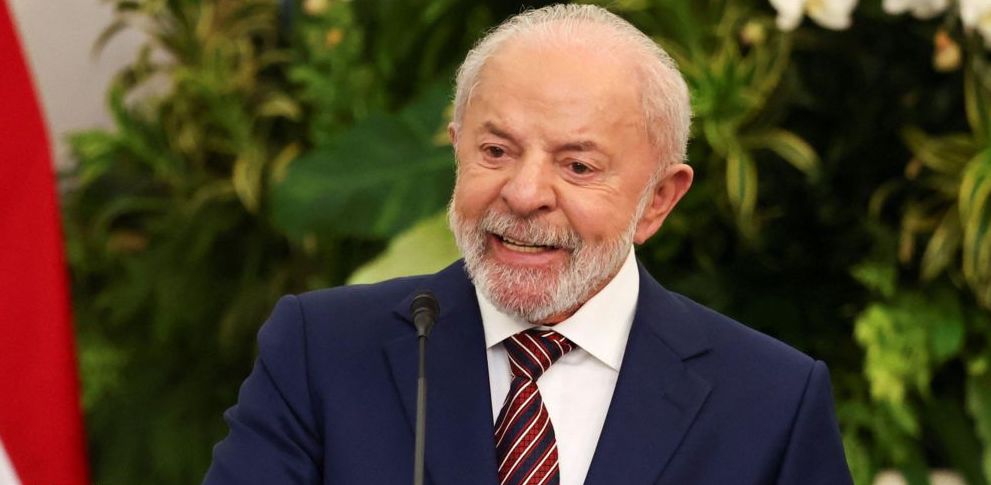
President Luiz Inácio Lula da Silva’s historic victory in securing an unprecedented fourth term as Brazil’s president offers some lessons in democratic resilience, grassroots mobilisation, and welfare-driven governance. By defeating Senator Flávio Bolsonaro in a dramatic runoff, the 80-year-old leftist icon did what no modern Brazilian politician had done since the country’s return to democracy in 1985. He overcame a first-round deficit to win the presidency. Nigeria should learn many lessons from the Brazilian election.
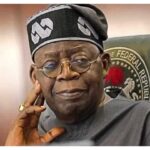
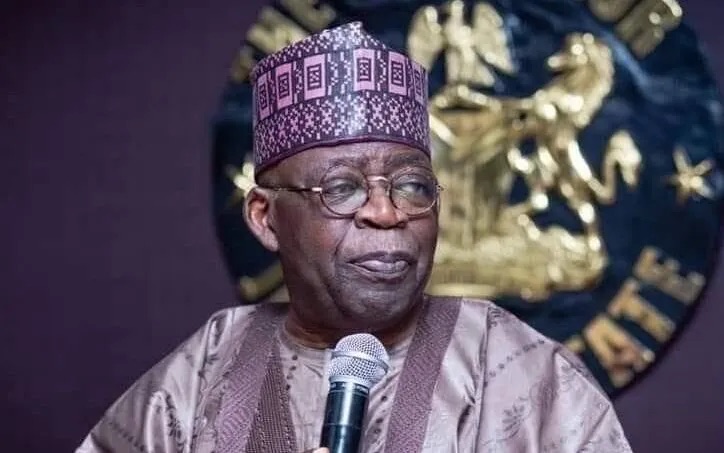
President Bola Tinubu congratulated Lula on his historic re-election, stressing that the victory was a monumental milestone for emerging economies. Tinubu noted that as two leading nations of the Global South, Nigeria and Brazil have a unique opportunity to advance shared interests and economic integration amid a rapidly changing global order. Indian Prime Minister Narendra Modi expressed eagerness to expand their strategic partnership and jointly champion Global South initiatives. South African President Cyril Ramaphosa hailed the outcome as a “victory for the Global South and progressive forces worldwide,” focusing on building a more just world order.The Chinese Foreign Ministry expressed Beijing’s readiness to work with Brazil to build a “China-Brazil community with a shared future.”Russian President Vladimir Putin and the Kremlin praised Lula’s “significant personal contribution” to strengthening strategic bilateral ties and developing the BRICS intergovernmental framework.
The first lesson for Nigeria lies in the power of the masses. Lula’s victory was not forged in elite boardroom bargains or dictated by state-backed godfathers. It was won on the streets. After trailing in the first round on October 4, 2026, Lula’s Workers’ Party launched an aggressive, face-to-face ground campaign, targeting millions of citizens who had abstained or cast blank ballots. They built broad-based coalitions across trade unions, students, smallholder farmers, and civil groups.
In contrast, Nigerian elections are increasingly defined by a widening chasm between the political elite and the ordinary populace. The voter turnout in Nigeria’s recent national elections has consistently hovered at dismal lows, driven by a pervasive belief that the average citizen’s ballot holds no real power. Brazil has proved that voters will turn out, evidenced by their staggering 80 per cent turnout rate, if political parties move past cosmetic, transactional campaign tactics and genuinely organise around the anxieties of everyday people.
Furthermore, Lula’s campaign strategy provides an instructive blueprint for how progressive movements can wage a digital counter offensive against targeted disinformation. Through Lula’s Army, a highly organised, centralised digital apparatus consisting of over 10 million followers on WhatsApp, the left reclaimed national symbols like the iconic green-and-yellow football jersey from the far-right. For Nigerian youth and civil rights advocates seeking systemic reform, the takeaway is clear, digital activism must be systemic, focused, and inextricably linked to offline, community-led infrastructure to effect true change.
Other News
Beyond winning, Lula’s victory re-anchors the purpose of governance to social welfare. In the final three weeks of his campaign, Lula championed concrete social safety nets, including a 15 per cent expansion of the BolsaFamília welfare programme, labour protections, and debt-refinancing initiatives tailored for low-income citizens. He explicitly framed these interventions not as state charity, but as structural rights of citizenship.
Equally compelling is the unshakeable independence demonstrated by Brazil’s electoral and judicial institutions. Despite fierce political polarisation and demands from the opposition to annul the runoff results based on logistical extensions, Brazil’s Supreme Court and Superior Electoral Court held a steady, transparent line. The swift, automated electronic voting system left virtually no room for the prolonged collation centre chaos or logistical failures that routinely mar Nigerian elections.
For Nigeria to build a resilient democracy, the independence of the Independent National Electoral Commission (INEC) and the judiciary must be fiercely protected from political interference. Electoral manipulation and the late deployment of logistics must be treated as severe infractions, and institutional accountability must become the norm, not the exception.
Ultimately, the political resurrection of Lula, from a union leader to a two-term president, to a prisoner on politically motivated corruption charges, and back to a historic four-time leader, redefines political endurance. It serves as a reminder to Nigeria’s civil society that democratic progress is never linear. It requires persistent, long-term institutional building rather than cyclical enthusiasm that disappears after every election cycle. As President Bola Tinubu and other global leaders look across the Atlantic to strengthen bilateral ties with Brazil in fields like agriculture, energy, and technology, Nigeria’s political class must look deeper.
The true value of Brazil’s historic moment does not merely lie in transatlantic trade opportunities. It lies in the urgent truth that a democracy can survive its darkest fractures if its leaders prioritise the material well-being of the poor, respect institutional guardrails, and honour the sacred power of the ballot box. Brazil has shown that the path back from political despair is entirely possible. It is time for Nigeria to follow that lead.