Follow Us on Google

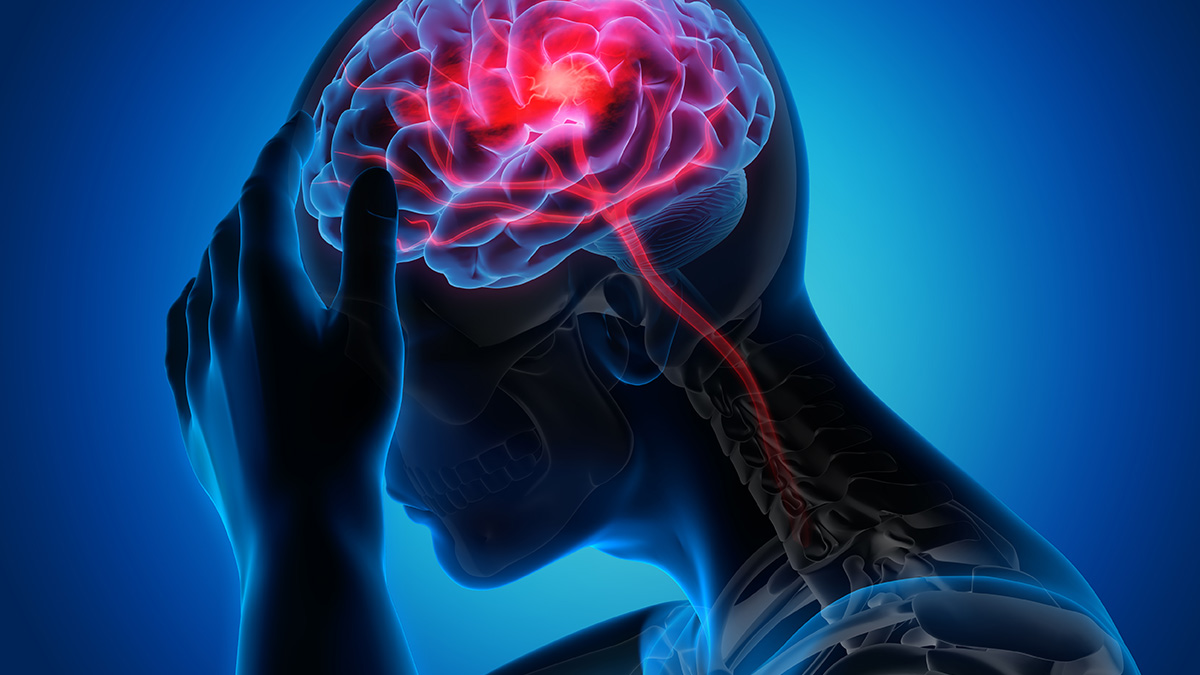
The theme of the 2026 World Stroke Day, ‘Every Minute Counts’ underscores the urgent need for medical intervention when the symptoms of stroke occur. This tallies with the views of medical experts and other stakeholders who spoke on Thursday at events to mark the World Stroke Day. The Executive Director of the Brain and Spine Foundation Africa (BSFA), Chika Okwuolisa, warned Nigerians against delaying medical treatment when symptoms of stroke occur. He said that immediate intervention could make the difference between survival, permanent disability and death.
Similarly, the Stroke Action Nigeria (SAN) urged Nigerians to recognise the warning signs of stroke and seek immediate medical attention. It also warned that failure to do so can increase the risk of death and long-term disability. The Chief Executive Director of SAN, and board member of the World Stroke Organisation, Dr. Rita Melifonwu, said the campaign of the World Stroke Day would focus on both recognising stroke symptoms, as well as knowing the appropriate steps to take when someone suffers a stroke. The World Stroke Day is marked annually on October 29 to raise awareness about the disease, preventive measures and treatment options.
According to the World Health Organisation (WHO), stroke is a major global health challenge and the second leading cause of death worldwide. A stroke is also a medical emergency that occurs when blood flow to the brain is interrupted, either due to a blockage or bleeding. About 15 million people worldwide suffer a stroke each year. Newer global estimates from partner data indicate nearly 12 million new cases annually.
The global health agency also says that stroke causes approximately five million to seven million deaths globally annually. Medical experts are of the view that stroke can happen to anyone at any age. Globally, about one in four adults over the age of 25 will have a stroke in their lifetime. However, stroke is not a death sentence. It is treatable as soon as the symptoms are recognised. The WHO notes that roughly five million survivors are left permanently disabled each year while over 100 million people globally are living posts-stroke.
Unfortunately, the majority of the global stroke burden, about 87 per cent of deaths and 89 per cent of Disability-Adjusted Life-Years (DALYs), occurs in low-and middle-income countries (LMIC), compared to high-income countries. The main types of stroke include ischemic stroke, haemorrhagic stroke, transient stroke and transient ischemic attack. Ischemic stroke accounts for roughly 65 to 85 per cent of cases. The primary risk factors of stroke include high blood pressure, tobacco/smoking use, high cholesterol, high body mass index (BMI), diabetes, physical inactivity, atrial fibrillation and environmental air pollution.
In 2021, stroke was the third leading cause of death and disability globally, with an estimated 93.8 million cases. Also in 2021, there were 11.9 million new cases of stroke. The lifetime risk of stroke has increased by 50 per cent over the past 20 years, with one in four adults predicted to experience a stroke in their lifetime. The global burden of stroke measured in DALYs increased from 137 million in 2000 to 160 million in 2021.
Medical experts say that most of the stroke burden is attributable to some modifiable risk factors, including high blood pressure, air pollution, smoking, high cholesterol, diet high in sodium, high fasting blood glucose, kidney dysfunction and harmful use of alcohol. The non-modifiable risk factors of stroke include age, a prior stroke, pre-existing cardiac condition and chronic kidney disease.
The symptoms of disease include sudden dizziness, loss of balance or coordination, sudden vision loss, facial droop and slurred or strange speech.
The 2026 World Stroke Day campaign focus is for all people to #ActFAST to recognise stroke warning signs and seek immediate emergency medical care. Any time lost is brain lost. Acting quickly when symptoms appear will help to save brain cells, reduce long-term disability and saves lives. Nigeria shares a high burden of the disease.
Available statistics show that 168,000 stroke cases occur in Nigeria annually. This translates to about one Nigerian experiencing a stroke every 80 minutes or up to one every minute according to neurological alerts. The prevalence of stroke survivors is estimated at 6.7 per 1,000 population. About one in four stroke cases in Nigeria affects young adults under the age of 50. Stroke is a leading cause of death and long-term disability in the country, with 30-day case fatality rates reaching 21 per cent to 40 per cent and up to two-thirds survivors facing permanent disability.
Doctors say that lifestyle changes and effective management of high blood pressure can significantly reduce the risk of stroke. At the same time, reducing tobacco use and limiting exposure to second-hand smoke, eating a healthy balanced diet and engaging in regular exercise can be of help too. There is need for public education on stroke, preventive measures and access to treatment. Let government invest substantially in health and subsidize hypertension drugs for elderly people.