Follow Us on Google
By Josfyn Uba
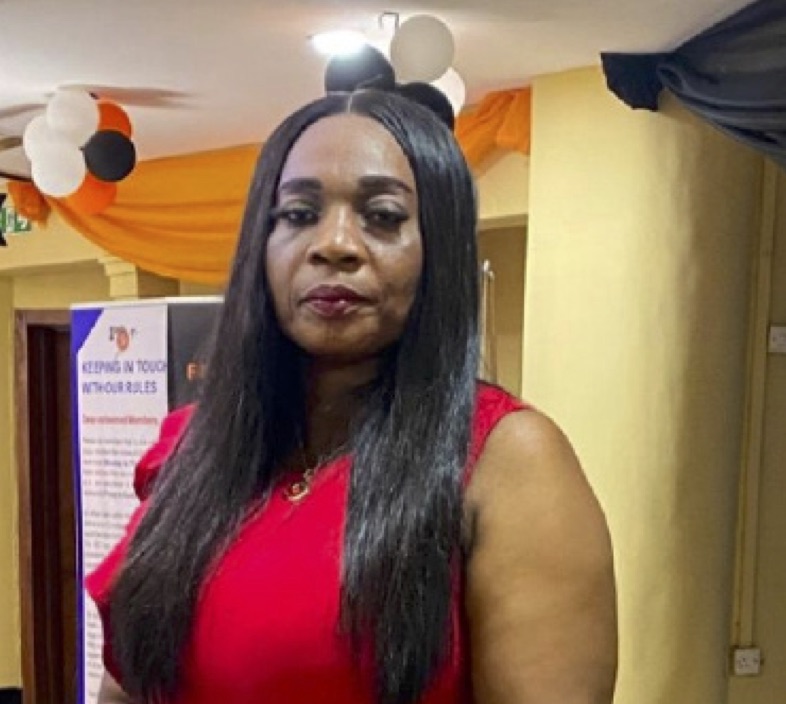
When they say that passion drives ideas, she is a living testament to this. Having observed the growing demand for quality home furnishings in Lagos, a talented tailor transformed her career by stepping beyond the sewing machine to explore the world of drapes and window blinds. What began as a simple pivot has blossomed into a thriving entrepreneurial journey, showcasing her creativity, resilience, and business acumen.
She turned this opportunity to offer personalized solutions to customers. Her passion for creating stylish and comfortable living spaces is taking her to different parts of the country.
Beyond the traditional window blinds, Digbue Mowete, the creative mind behind Stellcy Interiors focuses on eco-friendly materials and sustainable practices both for her clients and in her workshop.
This is the story of Digbue Mowete whose innovation and success is inspiring youths.
She spoke to Daily Sun recently
Tell us how you transitioned from tailoring to making customized interior decoration?
I have always had a passion for fashion design and textiles. I started out as a tailor, making dresses and stuff like that but at a point, I developed interest in interior decoration business. That was about 15 years ago and here we are today. I had to go into apprenticeship with a local draper. I enjoyed the blend of craftsmanship and creativity, which inspired me to open my own business where I could help clients transform their spaces with beautiful, tailored window treatments.
What inspired you to become an interior decorator?
I was inspired by a friend who worked with fabrics and had a knack for transforming ordinary rooms into elegant spaces. Watching the impact that well-chosen drapes could have sparked my interest in textiles and design, and I wanted to pursue that professionally.
How long have you been working and how has the industry changed over the years?
I have been working in the industry for over 15 years. Over time, I saw a significant shift toward sustainable fabrics and motorized, smart technology integration. Customers today are more design-savvy and eco-conscious, which has made the industry more dynamic and competitive.
First, what drew you to this craft, and when did you first start thinking about the environmental impact of your materials?
I have always been fascinated by how window treatments transform a space—the light, the privacy, the feel. I started as an apprentice over 15 years ago. The environmental question hit me about seven years ago. I was constantly dealing with off-cuts, synthetic fabrics that wouldn’t decompose, and seeing the sheer volume of waste. I asked myself, we live in this beautiful city, but what are we leaving behind with every curtain we stitch?
That was when the journey to find better ways began.
Can you explain the typical materials used in the blinds and curtain industry in Nigeria and why some might be harmful to the environment or health over time?
The most common materials are synthetic fabrics like polyester and PVC-based blinds. They are popular because they are cheap, readily available, and often stain-resistant. However, they are petroleum-based, meaning they don’t break down in landfills for hundreds of years. When burned, they release toxic fumes. Some also contain volatile organic compounds (VOCs) that can off-gas in your home, affecting indoor air quality. Cheap wooden blinds are often made from unsustainably harvested wood with chemical-laden finishes.
Is it challenging to find reliable suppliers of quality sustainable fabrics and components in Lagos or Nigeria at large?
It is a challenge, but it’s getting better. We source organic cotton from partners in the north who are committed to ethical farming. Some bamboo and linen fabrics are imported, but we are actively seeking more local textile innovators. The challenge is consistency in supply and quality. You build relationships, you test tirelessly, and you sometimes pay more upfront to secure the right material. It’s a mission, but a necessary one.
Cost is a major factor for many Nigerians. Are these green materials more expensive, and if so, how do you convince customers of their long-term value?
. My conversation with customers goes beyond price. I talk about health—these materials are better for your family’s air. I talk about durability—a high-quality linen curtain outlasts a cheap polyester one by years. I talk about value—it’s an investment in your home’s comfort and your environmental legacy. When you factor in longevity and health benefits, the cost-per-year makes sense.
Beyond materials, what sustainable practices have you adopted in your workshop? (e.g., energy-efficient lighting, solar power, reducing water use in dyeing/treating fabrics, proper waste sorting).
We run on solar power as much as possible, especially for lighting and running sewing machines. We’ve switched to LED lights entirely. For any fabric treatment, we use minimal water and have switched to eco-friendly detergents and dyes where possible. We are also meticulous about **waste sorting**; fabric, paper, plastic, and metal all go into separate bins.
A lot of waste comes from off-cuts and old installations. How do you manage fabric scraps and waste? Do you upcycle or recycle them?
Nothing goes to waste if we can help it. Larger off-cuts become cushion covers, table runners, or bags. Smaller scraps are used for stuffing for draft stoppers or pet beds. We even collaborate with local artists who use them for mixed-media art. For old installations we remove, we try to refurbish and donate what’s usable.
What about the products themselves? Are you designing blinds and drapes to be more durable, repairable, or recyclable at the end of their life?
The top three are: Supply chain for consistent green materials, consumer price sensitivity, and infrastructure. Also, there’s the need to constantly educate—from my staff to my clients—on the reason behind these choices
Design for longevity is key element. We use stronger stitching, robust hardware, and modular designs.
For example, if one slat on a bamboo blind breaks, we can replace just that slat. We also offer a refresh service where we can re-line drapes or re stain wood instead of replacing the whole item. We aim for products to have multiple lives.
.How do you balance traditional, popular design requests (which may use less sustainable materials) with your eco-friendly goals?
It’s about smart adaptation. If a client wants a lavish, traditional look, we propose heavy organic cotton velvet or linen damask instead of synthetic alternatives. We show them samples, let them feel the quality. We explain that tradition and sustainability are not enemies; we can achieve the aesthetic with a cleaner conscience.
What is the level of awareness among your clients in Lagos when it comes to sustainable home furnishings? Are they asking for “green” options?
Awareness is growing, especially among younger homeowners and expatriates. Initially, I had to introduce the concept. Now, I get clients who walk in and ask, “What are your most eco-friendly options?” It’s still not the majority and not very popular, but the tide is turning. People are thinking about their health and their children’s future. I strongly believe that with time, we will get there.
What simple advice would you give to a homeowner looking to make their window treatments more eco-friendly, perhaps even on a budget?
I always tell people to start on a small capacity. And don’t discard easily. It is important to find an alternative to repair before you replace: A new lining or a good clean can always revive old drapes.
Again, choose natural fibres, even if it’s just for one set of curtains in your living room, opt for cotton or linen over polyester and go for simplicity: A simple, well-made Roman blind uses less material than heavy, layered drapes. Don’t also forget to support local people who source responsibly. We must learn to invest in our community and the planet. We really don’t have Planet B
Looking ahead, what is your vision for the future of sustainable interior design and window treatments in Nigeria? What role can artisans and small businesses play?
My vision is a future where “sustainable” isn’t a special category; it’s just how we do things and do it well. I see a network of local material growers, recyclers, and artisans. Small businesses like mine are the pioneers. We test the materials, educate the market, and prove that it’s viable. We can set the standard for quality and responsibility.