Follow Us on Google
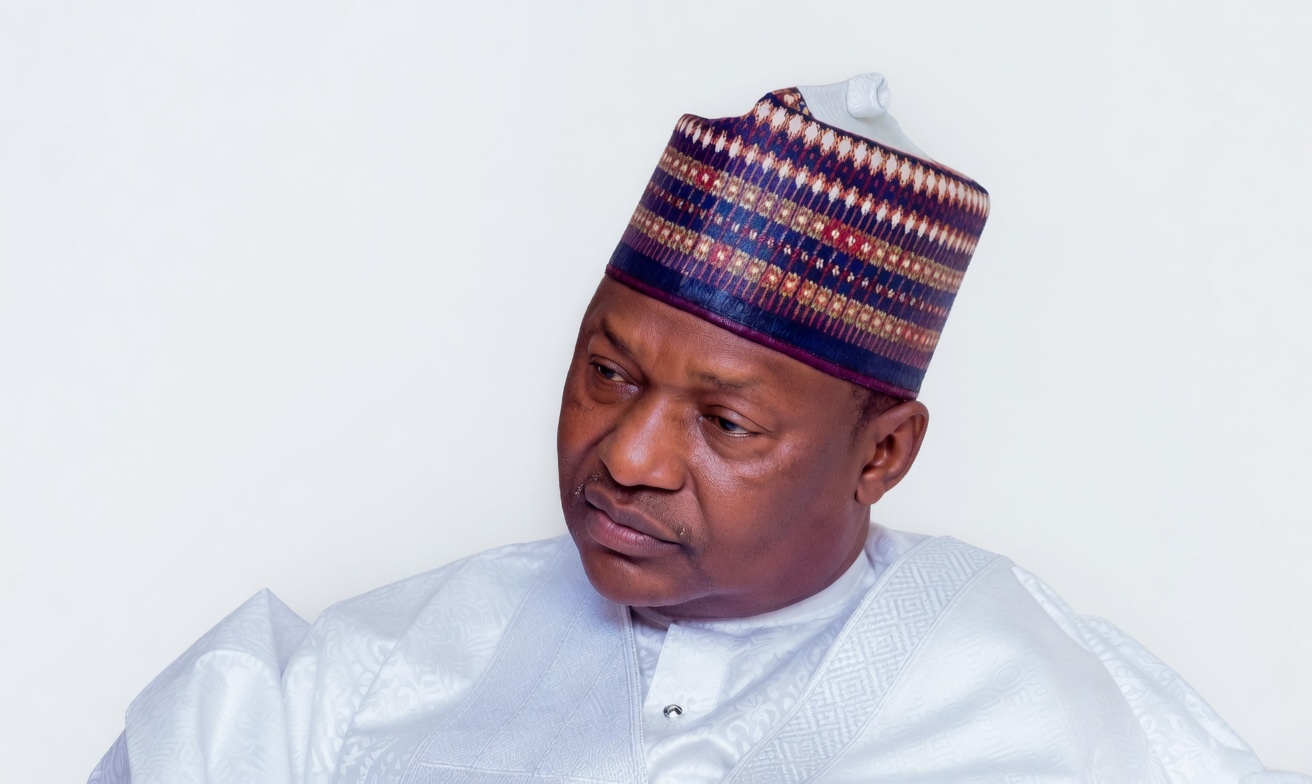
The Federal High Court in Abuja has ordered the final forfeiture of 48 properties linked to former Attorney-General of the Federation and Minister of Justice, Abubakar Malami, to the Federal Government after ruling that the assets were reasonably suspected to have been acquired through unlawful activities.
Delivering judgment on Wednesday, Justice Joyce Abdulmalik held that the Economic and Financial Crimes Commission (EFCC) successfully established the legal threshold required under Nigeria’s civil forfeiture laws, while Malami, members of his family and companies associated with the properties failed to rebut the allegations against them.
Before delivering the substantive judgment, the court dismissed several motions, applications and notices filed by the respondents, describing them as lacking merit.
Justice Abdulmalik stressed that the proceedings centred on the legitimacy of the funds used to acquire the properties rather than ownership.
“The issue before the court is not who owns the property, but how legitimate are the funds used to acquire the property,” the judge ruled.
She added that the respondents had “not dislodged the reasonable suspicion that the property was acquired by unlawful activities.”
Relying on the provisions of Section 17 of the Advance Fee Fraud and Other Fraud Related Offences Act, the court granted the EFCC’s application for the permanent forfeiture of the assets to the Federal Government.
However, the judge discharged the interim forfeiture order on some of the properties after finding insufficient grounds to sustain the order.
The anti-graft agency had approached the court in January, seeking the permanent forfeiture of 57 properties valued at about ₦212.8 billion, alleging that they represented proceeds of unlawful activities linked to the former justice minister.
On January 16, Justice Emeka Nwite, sitting as the vacation judge, granted an interim forfeiture order and directed the EFCC to publish the order in a national newspaper to enable interested parties to appear before the court and show cause why the assets should not be permanently forfeited.
The properties, located across Abuja, Kano, Kebbi and Kaduna states, were subsequently challenged by Malami, his wife, Nana Hadiza Malami, his son, Abdulaziz Abubakar Malami, and several companies linked to the assets.
The respondents maintained that the properties were lawfully acquired, arguing that the EFCC failed to establish any connection between the assets and alleged unlawful activities.
They also contended that the commission relied on speculation rather than credible evidence and did not identify any specific criminal offence from which the properties were allegedly derived.
During the hearing, however, the EFCC insisted that its investigations showed the assets were acquired with proceeds of unlawful activities and held through individuals and companies acting as fronts for the former Attorney-General.
The commission further argued that civil forfeiture proceedings require proof of reasonable suspicion rather than proof beyond reasonable doubt.
Following the adoption of final written addresses in May, the court reserved judgment.
Although the ruling, initially scheduled for July 6, was postponed twice, Justice Abdulmalik on Wednesday upheld the EFCC’s application, marking a significant victory for the anti-corruption agency in one of its most closely watched civil forfeiture cases.