Follow Us on Google
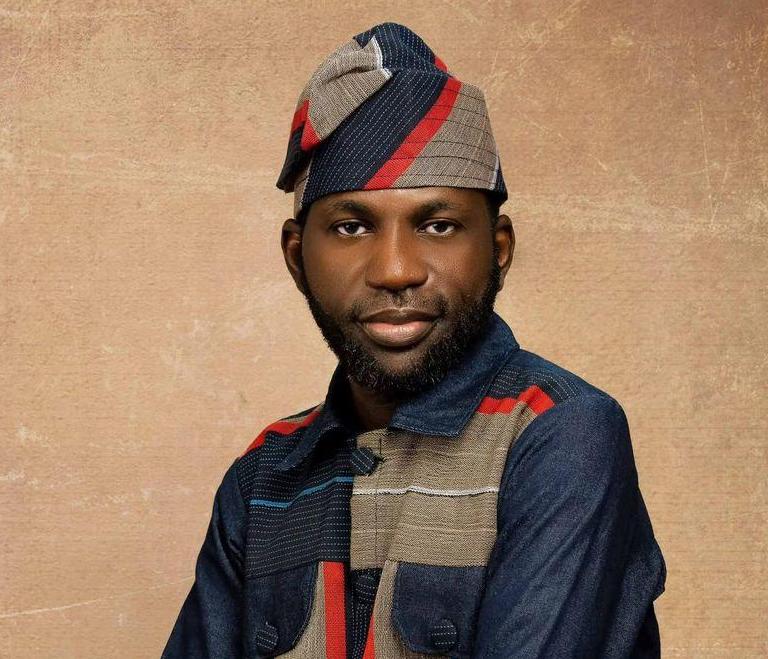
By Rita Okoye
Drawing from over a decade in the media space, working as a journalist, publicist, and now founder of a media and communications agency, Kehinde Ajose, who is a media strategist and author of Media Money, says visibility alone is not enough to grow a business or career.
In this interview, he explains why many Nigerian public figures and entrepreneurs use media in a transactional manner instead of strategically. He also speaks on how traditional and social media can be leveraged to create real income rather than just gaining popularity.
You’ve worked as a journalist and visibility strategist. Was there a turning point where you realized people were leaving money on the table because they didn’t understand media?
Yes. In my first three years as a journalist with a national daily, I wasn’t earning a structured salary. I was paid per story as a freelancer. That period was defining because I had access and competence, but I hadn’t yet structured it into economic value.
That experience changed my thinking. Traditional or social media platforms give access. But access alone does not create wealth. Visibility must connect to structured opportunities.
During that period, I wrote the book, Donjazzyfied, exploring lessons from Don Jazzy on influence. I also hosted an entertainment show on an online radio station and worked as a publicist. That was when I stopped seeing media as employment and started seeing it as leverage. That shift unlocked my own media money.
Many people think publicity automatically equals profit. Where do they get it wrong?
They confuse attention with monetization. Awareness alone, whether from a TV feature, an interview, or a viral social media post, does not automatically create income.
Many entrepreneurs spend money on social media campaigns or PR features hoping for immediate sales. When nothing comes, they assume the media doesn’t work. The real issue is strategy. Visibility works best when it is linked to a clear business goal, like growing your customer base, attracting investors, or creating a monetizable offer.
For example, I worked with a tech founder who had strong competence but weak market positioning. His social media posts and public messaging did not reflect the scale of his ambition. We clarified his differentiation, strengthened his digital footprint, and positioned him credibly. Within months, conversations shifted from casual exposure to serious partnerships and investment discussions. That is the difference between accidental attention and strategic visibility.
This is something I see consistently across Nigerian industries. A fashion designer gets featured in a major publication. The article runs. The designer sees a spike in profile visits, maybe a wave of comments. But the bank account stays the same. Why? The reason is that the coverage was not tied to an offer, a call to action, or a clear value proposition. The media did its job. The strategy was missing. PR without a pipeline is just noise.
What’s the difference between being popular and being profitable?
Popularity is attention. Profitability is ownership. You can trend online and have thousands of followers, but if you do not control something of value, like a product, service, or intellectual property, attention alone will not secure your financial future. Popularity only will not meet your needs or pay your bills. The most successful public figures attach visibility to assets. Fame can generate income, but ownership builds wealth.
A recent example is Iyabo Ojo. I attended her movie premiere, and what stood out was not just the star power, but the strategy behind it. Instead of limiting the premiere to a traditional cinema setting, she hosted it at an event centre and monetized the experience through gate fees.
That is a clear case of converting popularity into structured revenue. The visibility brought people in, but the business model ensured that attention translated into income. She didn’t just rely on the buzz; she built a system around it. Social media attention becomes valuable only when it is tied to something that can scale financially.
I often tell clients: your name is a brand, and every brand needs a business model. The Nigerian entertainment space gives us rich examples. Look at what Funke Akindele has done. She is not just an actress. She is a filmmaker, has a production company, monetizing her expertise. Her business multiplies her visibility. That is the cycle every entrepreneur needs to build deliberately.
What are the core pillars of media mastery?
Media mastery operates on five pillars: differentiation, attention, trust, followership, and monetization. Differentiation defines your positioning. Attention ensures visibility across platforms, both social media and traditional media. Trust builds credibility with your audience. Followership creates loyalty and influence. Monetization converts influence into structured income. When these pillars work in sequence, visibility stops being accidental, it becomes strategic. Entrepreneurs who align social media content and traditional media appearances with these pillars see real financial results.
Differentiation is the one most people skip. Everyone wants attention, but very few have done the work of defining what makes them distinct. In a market as competitive and loud as Nigeria’s, the person with the clearest positioning wins.
In a market like Nigeria where many people consume content but don’t pay, how can entrepreneurs convert attention into actual paying clients?
The problem is not that Nigerians don’t pay. It is that many entrepreneurs are not giving them a compelling reason to do so. Attention without a clear value proposition rarely converts. To move from attention to revenue, you need clarity, alignment, and structure. Your audience must understand what you do, your content must attract the right people, and there must be a clear path to payment.
Engagement is not a business model. If your content is not pre-selling your offer, you are building an audience that applauds but does not convert. You are building consumers, not customers.
Other News
A lot of personal brands struggle with consistency due to burnout or lack of immediate results. How do you build a visibility system that is sustainable long-term?
Consistency becomes difficult when visibility is driven by pressure instead of structure. Build a system. Define your content pillars: expertise, proof, and perspective. Create in batches and focus on one or two platforms. Visibility compounds over time. The goal is not constant virality, but sustained relevance and adding value.
How can entrepreneurs with small budgets compete with bigger brands when it comes to visibility and media positioning?
Small budgets are not a disadvantage if your positioning is strong. Clarity and specificity outperform spend. Focus on owning a niche conversation. Smaller brands also have agility; they can connect more authentically and build trust faster. Visibility today is less about budget and more about how well you communicate value.
What role does credibility play in a space where audiences are becoming more skeptical of influencers and online experts?
Credibility is now the foundation of influence. Audiences want proof: results, testimonials, consistency. Over-claiming without proof erodes trust. When your message, content, and results align, trust builds. And trust is what converts visibility into income.
For Nigerian entrepreneurs looking to attract international opportunities, what adjustments should they make in how they position themselves online?
Clarity of communication is vital. Your value must be easily understood globally. Highlight results, build a professional digital presence, and align with global standards. Also, engage in conversations beyond local platforms. Opportunities grow where visibility meets relevance.
With low resources and low patronage in the current economy, how can entrepreneurs increase their profit margin through PR and business visibility?
PR amplifies what already exists. If your value is clear, it can significantly improve your margins. Focus on precision—reach the right audience with the right message. Position yourself as a specialist to reduce price sensitivity. Build trust through consistent visibility. Ensure every exposure leads to a clear offer.
Leverage owned media and create multiple income streams from the same audience. In this economy, effective visibility, not just more visibility, is what drives profit.
How can Nigerian politicians build a credible brand as the 2027 elections approach?
Building a credible political brand in Nigeria requires far more than slogans, rallies, or trending hashtags. Visibility alone will not earn trust or votes. Politicians must approach media strategically, consistently aligning messaging with demonstrated competence, accountability, and tangible impact. The foundation of a credible political brand is clarity of purpose. A politician must clearly articulate their vision, values, and priorities in ways the electorate can understand and relate to. Ambiguity or inconsistent messaging erodes trust and opens the door to cynicism.
Second, storytelling matters. Citizens respond to narratives that show real outcomes and human impact. Politicians should leverage both traditional media and social platforms to showcase projects, policy successes, and problem-solving initiatives. These narratives must be authentic, backed by evidence, and not purely performative. Social media amplification works only when there is substance; viral posts without proof or follow-through can damage credibility.
Third, engagement is key. A credible brand is not built by broadcasting alone but by listening, responding, and creating dialogue. Politicians can host town halls, Q&A sessions online, and community outreach initiatives, ensuring that constituents feel heard and valued. Feedback loops also create accountability, reinforcing trust over time.
Fourth, consistency and integrity cannot be overstated. Media appearances, campaign messaging, and public statements must align with actual actions. Contradictions or reactive messaging that chases trends without principle undermine credibility. Long-term consistency compounds influence and builds what I call “invisible equity,” positioning the politician as the obvious choice when the electorate makes decisions.
Finally, differentiation is critical. In a crowded political space, the politician with a clear, distinguishable platform and demonstrable expertise will stand out. Popularity may grab attention temporarily, but a well-structured, credible brand converts attention into support, loyalty, and ultimately electoral success. By investing in strategic visibility early and aligning it with measurable impact, Nigerian politicians can create a brand that resonates authentically with voters in the 2027 elections and beyond.
Who benefits most from this book?
Anyone who engages with media: entrepreneurs, executives, entertainers, and professionals, among others. Media Money is about leveraging visibility deliberately to create wealth, impact, and influence.
What mistake do even established public figures make when it comes to media positioning?
They approach media transactionally instead of strategically. Consistency builds what I call invisible equity, the value created by showing up with insight and proof before opportunities arise.
If someone reads Media Money today, what practical step should they take within the next 30 days?
Conduct a visibility-to-value audit. Identify your strengths, map your audience, and create a monetizable action. Do not chase attention. Build around the attention you already have. Visibility becomes powerful when it is structured for revenue, not vanity.