Follow Us on Google
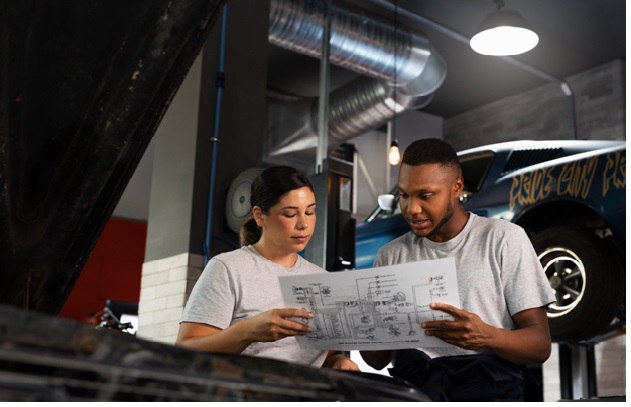
Step into almost any residential street in Lagos, Abuja or Port Harcourt these days, and you will notice something new. The garage, once a quiet spot for parking the family car, has become a workshop, a boutique, a phone repair shop or a small barbershop. Economic pressure has pushed many Nigerians to turn unused space at home into a source of income. It is a smart move. But it comes with a problem that few people plan for: heat.
A garage was never built to hold a person working for eight hours straight. Concrete floors, metal roofing sheets and small windows trap warm air fast. Add a sewing machine, a generator, or a row of customers waiting their turn, and the room heats up even more. For many small business owners, this is now the biggest daily struggle, right after unreliable power supply.
This shift did not happen by accident. As commercial rent climbs and the cost of transport eats into daily earnings, staying home to work makes more financial sense than ever. A garage already has four walls, a roof and a door that locks. Turning it into a workspace saves the cost of a shop lease entirely. The only catch is that garages were designed with cars in mind, not people, and that difference shows up fast once the sun gets high.
From Spare Room to Small Business
Chidinma Okafor, a tailor in Surulere, turned her family garage into a fitting room two years ago. She says business has grown steadily, but the heat almost made her quit in her first few months. “By noon, the room feels like an oven,” she said. “My customers do not want to stay long, and I cannot blame them.”
Her story is common. Across the country, people are converting garages into small offices, salons and repair shops because rent for a proper shop is simply too high. The trend saves money on rent, but it shifts the cooling problem onto the homeowner. A standing fan often is not strong enough to move air through a space with a low ceiling and poor airflow. This is why more Nigerians researching cooling options are learning that garage ceiling fans are available in sizes built for exactly this kind of tight, hot space, offering stronger airflow than a floor unit without eating up limited floor space.
A ceiling fan mounted high pulls hot air away from head level and keeps it moving instead of sitting still near workers and customers. That matters more than people realize. Still air feels far hotter than moving air, even at the same temperature. For a business that depends on customers staying comfortable long enough to make a purchase, that difference can decide whether a sale happens.
Picking the right size matters, too. A small, low-powered fan struggles in a garage with a high roof or wide floor space, while an oversized one can feel like a wind tunnel in a tight fitting room. Measuring the space first, then matching the fan’s blade span to the room, saves both money and frustration down the line. It is a small planning step that many first-time home business owners skip, only to regret it once the fan is already installed.
The Cost of Running a Home Business In the Heat
Heat is not only uncomfortable. It affects productivity and can even affect health. Workers who sweat through long hours without proper airflow tend to tire faster, make more mistakes and take longer breaks. For a one-person business, that lost time is lost income.
There is also a bigger financial story behind all of this. Many of the Nigerians building small enterprises out of their homes are exactly the kind of entrepreneurs banks are now trying to reach. Financial institutions are exploring new ways to support this growing informal sector, since traditional lending models often miss them entirely. As reported, banks are being urged to use real-time data to detect SME credit risks early, a shift that could eventually make it easier for garage-based businesses to access loans for better equipment, including proper cooling systems, instead of relying only on savings.
Other News
For now, though, most home business owners are left to solve the heat problem on their own. And the solutions do not have to be expensive. A few adjustments can make a noticeable difference without a full renovation.
Simple Fixes That Actually Work
Start with airflow, not just fans. A single fan pushing air around a sealed room does little good. Leaving a window or door slightly open on the opposite side creates a cross breeze that clears out hot air far faster than a fan working alone. If security is a concern, a simple burglary-proof vent or a small exhaust fan near the roofline can do the job safely.
Painting the roof or ceiling with a light, reflective color also helps. Dark roofing sheets absorb heat all day and release it slowly, long after the sun has set. A lighter shade reflects some of that heat away before it ever reaches the room below.
Timing matters too. Scheduling the most physically demanding tasks for early morning or late afternoon, when temperatures are lower, can protect both the business owner and any staff from the worst of the midday heat. This is not just comfort advice. Health experts have repeatedly pointed to the real medical risks of Nigeria’s rising temperatures, especially for people working long hours in poorly ventilated spaces. A widely cited report on the threats of heat related illnesses as temperatures rise in Nigeria noted that prolonged exposure to extreme heat can lead to exhaustion, dehydration and, in severe cases, heatstroke, particularly for those already dealing with underlying health conditions.
Keeping cool water nearby, taking short breaks in shaded areas, and wearing light, breathable clothing while working are small habits that add up. None of them cost much, yet they protect the very people keeping these home businesses running.
A Trend That Is Here To Stay
The shift from garage to storefront is unlikely to slow down anytime soon. With the cost of renting commercial space rising in most Nigerian cities, more families will keep looking at the space they already own as the smartest place to start something new. That makes solving the heat problem less of a luxury and more of a basic business decision, similar to choosing the right location or setting fair prices.
For Okafor, the tailor in Surulere, the fix came down to airflow and a few affordable changes to her workspace, along with a reminder to herself and her staff to drink water and take short breaks during the hottest hours. “Once the air started moving properly, everything changed,” she said. “My customers stay longer now, and so do I.”
As more Nigerians turn empty garages into full businesses, a little attention to heat and airflow could be the difference between a workspace that wears people down and one that helps them thrive.