Follow Us on Google
By Rita Okoye
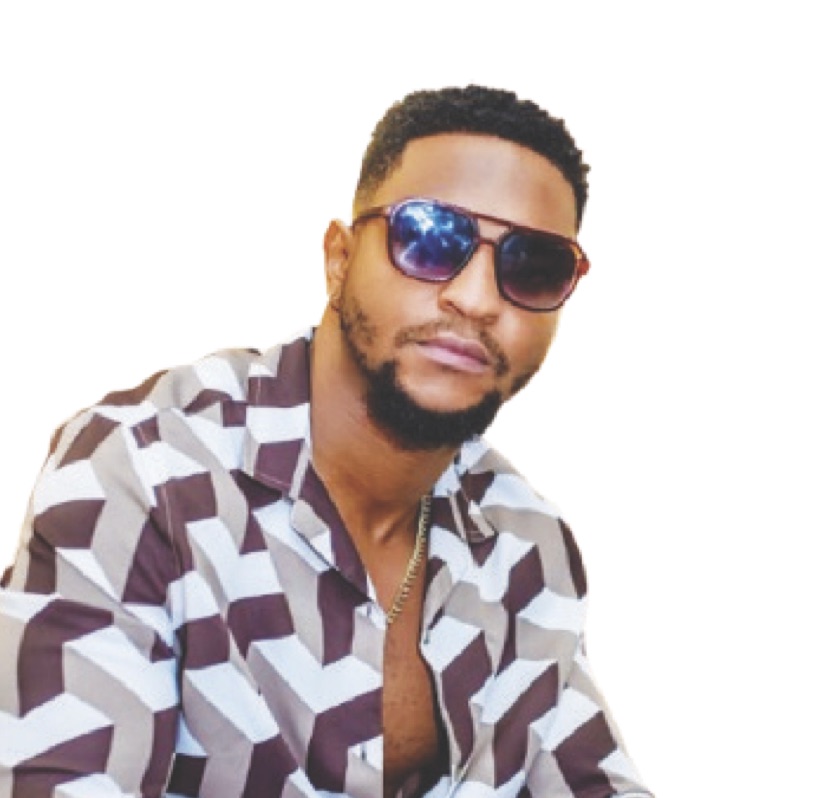
Bryan Boomba Okoye is a highly talented Nigerian Nollywood actor, artiste, model and polyglot whose rise in the entertainment industry has positioned as one of the current sensations to watch.
In this interview with Saturday Sun, the Anambra State indigene opens up about his journey in Nollywood, the challenges he has faced, common misconceptions about his craft and personality, and much more.

How did you celebrate the Christmas holidays?
For Christmas, I travelled across Europe on a tour and visited five different countries, which was an incredible experience. I got to experience a white Christmas for the first time—something I’d only ever seen in films. It was refreshing, inspiring, and grounding. Being exposed to different cultures, landscapes, and ways of life gave me a fresh perspective and creative energy going into the New Year.
Here is 2026, what are your expectations for the New Year?
2026 feels like a year of alignment, elevation and expansion for me. I’ve been grinding for a while now, working hard in faith and not necessarily chasing noise or numbers. I’m one who’s focused on meaning, impact, and longevity. 2025 was a year of ups and downs for me, even though there was visible growth. But something feels right and great about this New Year! I expect deeper collaborations, more demanding roles, and bigger platforms. I want to keep growing my range while staying intentional about the kind of work I attach my name to. Above all, I’m expecting all-around growth that is earned, not rushed.
What lessons did you take from 2025?
2025 taught me patience, resilience, focus, and the importance of preparation. I learned that growth doesn’t always announce itself loudly—sometimes it’s happening quietly in the background. It also reinforced the value of balance, especially in an industry that never really slows down. Also, I learnt to trust in the silence of God’s timing.
You’re classically trained in a space where many actors learn on the job. How has formal training shaped your approach in Nollywood?
Formal training gave me discipline and language for my instincts. It gives me consistency and allows me to deliver under pressure, adapt quickly on set, and still maintain quality. In an industry where not everyone is driven purely by passion, training keeps me grounded in discipline and patience. It taught me how to analyse scripts deeply, understand character psychology, and stay truthful even under time pressure. It also trained me deeply in character work, which helps expand my range and versatility as an actor. Nollywood moves fast, and that structure helps me stay focused, prepared, and efficient—without sacrificing performance depth or integrity. It’s the difference between guessing and knowing why a performance works. I didn’t go through all that training to be boxed into one type of role. I’m very deliberate about avoiding stereotypes and constantly challenging myself creatively.
Boomba is a name that sticks. How did the name come about, and what does it represent?
Before acting, I was into music—I did rap, reggae, dancehall, and Afrofusion. I’ve always loved reggae/dancehall so back then in school, anytime I got on stage, I’d greet the crowd in Jamaican Patois, things like “Wha gwan people, maximum respect.” Over time, people started calling me Mr Bombastic, inspired by that Jamaican energy and the cultural association with the term.
As the years went on, Bombastic naturally evolved and got refined into Boomba. The name stuck because it represents something explosive: energy, presence, impact, and refusal to shrink. It reflects how I show up creatively, whether on stage, on screen, or in life: bold, vibrant, and unapologetically expressive. The name reminds me to take up space authentically, to be fearless in expression, and to stay grounded in my individuality even as the industry tries to define me.
You speak five languages. Can you tell us more about this and how you acquired such knowledge?
Languages came from curiosity, education, and immersion. Well, apart from my mother tongue, Igbo, Pidgin and English, which I’ve learnt in Nigerian schools over the years, I’ve always been fascinated by how people express emotion differently across cultures. Learning languages wasn’t intentional for fame, it was about connection. It mostly came from curiosity, exposure, and immersion. Listening to a whole lot of reggae and dancehall, plus watching YouTube videos and interviews of Jamaican people, Jamaican films, helped with the patois. Also making friends with Jamaican people very early in life helped. I enjoy learning about cultures through language. Watching films across different languages etc.
I’ve always been curious about the world and how people express themselves. After university, I went to a French institute to formally learn the language because I had initially considered a career in diplomacy. Later on, I also dated a Francophone girl who couldn’t speak English, so being forced to speak French every day for about a year really strengthened my fluency.
How has being a polyglot expanded the kinds of characters and stories you embody?
It removes borders creatively. It opens doors. I can comfortably step into diverse roles, work across regions, and bring authenticity to characters from different cultural backgrounds. It positions me well for international collaborations. I can understand subtext better, and communicate emotion beyond words. It allows me to tell African stories to global audiences without dilution, and global stories without losing my African identity.
Being able to speak multiple languages has truly broadened the way I connect with the world and with audiences. Beyond the craft itself, it has also endeared me to fans from different parts of the world. For example, people in French‑speaking countries have reached out just because they see me speak French or hear me connect with their language—it creates an instant bond. There’s a quote often attributed to Nelson Mandela that really resonates with me: ‘If you speak to a man in a language he understands, that goes to his head. If you speak to him in his mother tongue, that goes to his heart.’ I’ve seen that play out firsthand—when fans hear me in their language, the connection just hits deeper, and that’s very special.
What role challenged you the most emotionally; are there certain movie roles you will reject?
Other News
Emotionally intense roles that deal with identity loss, internal conflict, transformation or deep emotional trauma challenge me the most because they require vulnerability beyond performance.
The role that challenged me most was the Mad Man/Chizoba/King Anyanwu, in ETITI which is the hottest epic show on TV right now. It was a trinity of characters in one that I had to play: a madman (spiritual vessel), a fallen prince, and a King (narrator), so every scene demanded me to constantly shift between vastly different emotional and psychological states. To truly inhabit Chizoba’s madness, I even spent time discussing with officials and observing patients at a psychiatric home in Yaba, immersing myself in their behaviour, their rhythms, their humanity. That experience was intense, eye-opening, and humbling—it forced me to confront emotions I hadn’t had to access before.
The role pushed me physically, mentally, and spiritually. It demanded vulnerability, patience, and discipline, and it reminded me why I train the way I do. Shooting the mad man parts for over a month, obviously required heavy make up so I would sit down for about an hour for the make up every day, and then when I’m done shooting, it would take about 30 minutes to get me clean enough to get on the bus, and then when I got to the hotel, I’d shower for another 30 minutes to get all the stains out.
I’m open to difficult stories, but I will reject roles that glorify emptiness or exist purely for shock value without purpose. Chizoba was more than a character; it was a journey through layers of identity, and it remains the most challenging but most rewarding and transformative experience of my career so far.
What’s one misconception people have about you as a rising actor?
Many people mistake confidence for arrogance. In truth, I’m deeply committed to learning—on and off set. I ask questions, observe quietly, and stay open to correction. Nobody sabi pass all. My confidence comes from the desire for excellence, training and preparation, not ego.
You’re often described as driven and passionate. What fuels that fire on overwhelming days?
Purpose and vision. I stay focused on the bigger picture and remind myself why I started—to tell stories that matter and to represent something bigger than myself. I also lean on discipline rather than motivation, and on faith when the journey feels uncertain. Passion alone burns out; purpose sustains. Over the years, Nollywood has taught you to develop mental strength.
If you could step into any historical African leader character in a movie, who would it be and why?
I’d love to portray Ojukwu or Jaja of Opobo. Ojukwu’s charisma and moral complexity during Biafra is emotionally powerful and challenging, while Jaja’s rise from slavery to king shows incredible resilience and strategy. Both stories let me explore strength, vulnerability, leadership, and legacy—bringing humanity to iconic figures that shaped history.
African history is layered and cinematic, yet underrepresented. Playing such roles would be about reclaiming narratives and reminding the world of Africa’s intellectual and cultural depth.
What kind of legacy are you intentionally building with your craft?
I‘m building a brand rooted in truth, credibility, excellence, and impact. I want my work to outlive trends and challenge stereotypes. I want my work to be memorable, respected, and influential across generations.
If my films and performances can inspire reflection, spark conversations, and encourage the next generation to tell African stories with pride, then I’ve done my part.
Is Boomba single and searching; can you describe the kind of woman you’re looking for?
Ah, I’m keeping some mystery for now! But what I can say is I value connection more than labels. I’m drawn to a beautiful woman who is emotionally intelligent, self-aware, secure in themselves, kind, and grounded. Someone who understands growth, supports purpose, and isn’t intimidated by ambition; hers or mine.
Do you see yourself marrying from within your industry?
I don’t place limits on where love can come from. What matters to me is alignment—values, respect, and emotional maturity. If that person happens to be in the industry, great. If not, that’s equally fine. I’m open-minded. Love is about alignment and values, not profession.
Dating or marrying older women is common in the industry. Do you see anything wrong with that?
Age is less important than intention and emotional balance. What truly matters is mutual respect, attraction, understanding, shared values, and clarity of purpose. As long as there’s a genuine connection, and those qualities are present, age becomes a minor detail.
Where do you see yourself in five years?
I see myself on global screens, leading African stories, and contributing to the evolution of Nollywood into a truly global, world-class and revered industry.