Follow Us on Google
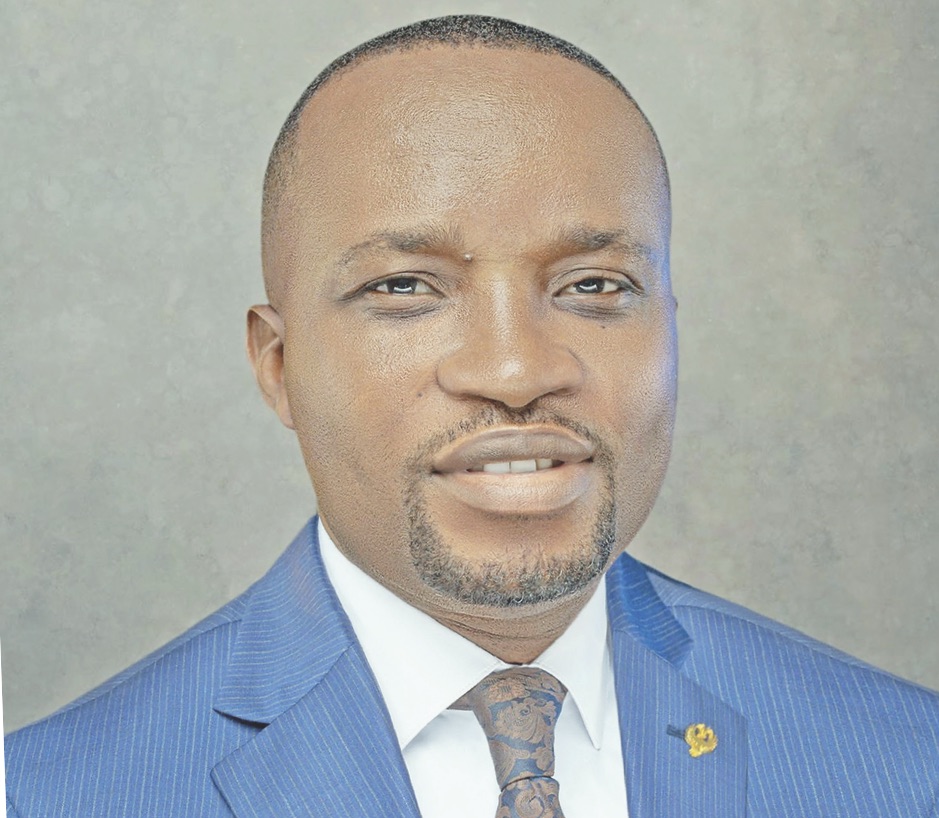
Oluremi Olalere, CEO of King Flash Photos Limited operating across Nigeria and Liberia, embodies the raw grit of self-made success. From riding okada, the local motorcycle used for commercial transportation to fund his early passion while peers dismissed him as a dropout, he alleged he faced rejection from some people, who he said looked down on his efforts. But he enthused that former governor Muhammadu Umaru Jibrilla Bindow of Adamawa State celebrated his talent, opening doors that led to official gigs for successive Liberian presidents.
In this interview, he speaks of roadside chases and faulty cameras to studio empires and youth training dreams, among others, offering raw lessons for Nigeria’s aspiring creatives in tough economic times.
How was growing up like? And what sparked your photography passion?
I grew up in tough circumstances, doing whatever it took to survive after losing my father young. After secondary school – where I had nine failures and just one pass – I returned to the family farm, our routine back then. But I vowed this wasn’t the life for me. I lied to my grandfather, claiming school demanded we re-sit exams in the city. He said he had no money, but I convinced him I only needed 150 naira for transport; I’d handle the rest.
In the city, I started riding an okada, the commercial motorbike, to make ends meet, convincing the owner to let me. My neat appearance naturally attracted customers. Youth brought challenges, though. Touts constantly harassed me, seizing the bike at every turn. I’d run everywhere seeking help to recover it. The frustrated owner finally got tired of bailing it out and demanded I return it for good.
A relative later got a bike, and I’d spend two or three hours every evening practising to master it—learning mostly through trial and error. One day, a friend’s family noticed how neatly I kept bikes and offered me a new one on instalments. I took it, right around gaining admission to Federal Polytechnic Bida in Niger State for my National Diploma.
After completing my ND, I told a friend it made no sense returning to Ondo town to keep riding; better to hustle in Suleja. I rode there but aimed higher, saving aggressively. Spotting a N400,000 car at a Suleja dealer, I planned a N200,000 deposit. Instead, a man I met advised switching to photography—digital was rare, a golden opportunity. He took me to Remi Chris Shop at Emab Plaza, Wuse II, Abuja, where a N200,000 camera caught my eye. I paid N100,000 upfront, clearing the balance later; it was the model that could help me survive. When the secretary asked for a name on the receipt, I said “Ola Photos” (my school nickname), but my guide insisted on “King Flash Photos.” That’s how King Flash was born.
I had no idea how to use it—early photos were terrible, making me regret the “bad investment” and complain I’d been misled. Unknowingly, the issue was my ignorance: poor flash use, functions, everything. It felt like getting an iPhone without knowing how to operate it; I just muddled through.
I sidelined the camera and returned home for another commercial motorcycle on credit to run in Suleja. But spotting someone with my exact model one day, I lamented its “faultiness.” He patiently taught me its functions, and suddenly, it worked wonders.
Knowing I needed a laptop and gear for editing, I pressed on—photography never left me, even on campus or after my father’s death. I’d carried that camera everywhere for gigs, travelling for work. The bike didn’t repay its loan; the camera did, funding it while I juggled two jobs. That’s how God transformed my life, step by step.
What is the peak of your photography journey? Tell us the story.
The pinnacle of my photography career happened in Liberia, thanks to God’s guiding grace at every step. I’ve always trusted His direction and advise young people: know exactly what you’re seeking—without focus, you’ll never succeed.
I started small, photographing local events, church meetings, and school gatherings for modest fees, unaware of the potential. I progressed to high-profile coverage at the ECOWAS Secretariat in Abuja, earning recognition from senior officials.
A bomb blast in Abuja imposed strict restrictions, barring photographers like us from entry despite some media being cleared. My colleagues and I waited at the gate, but security chased us away repeatedly. I stubbornly refused to leave, even as others tried dragging me off. One day, after they departed, a Nigerian ECOWAS Parliament member emerged to drive away. As the gate opened, I dashed toward him amid chasing security. He demanded, “Why are you chasing him?” They said, “He’s a photographer.” He declared, “He’s my boy—you can’t send him away.” When they noted my name wasn’t on the list, he grabbed the paper, wrote it in himself, and granted me unrestricted access to every event.
Years later, when George Weah—once a frequent ECOWAS Parliament member in Abuja—was elected Liberia’s President in 2018, I ignored discouragement, got my first international passport, scraped together ticket money, and flew there. I contacted a presidential connection, who linked me to his friend, fuelling my resolve.
Accessing Weah was tough at first; security at his house dismissed my claim of an invitation. I reached his close friend, who hired me for two days. Before it ended, I joined the official itinerary and got a luxurious apartment (bedroom, living room, kitchen) shared with the ECOWAS Parliament Speaker and dignitaries.
I became indispensable: tagging along to the airport for his arrival, travelling into town, delivering photos promptly, and even summoning my team for framed prints and albums. When payment delayed, I stayed calm, dressed sharply, positioned myself strategically, and alerted him via a friend. On Sunday, he arranged a meeting where I presented a custom album of his football glory days, beautifully narrated. He loved it, saying, “You’ll come to my office every day.” For two weeks, I was his daily photographer, mastering pro positioning and unique shots—leading to my role as his personal photographer for his entire tenure.
After Weah’s term, when President Joseph Nyuma Boakai Sr. took office, I was summoned for his official portraits. Security tried ejecting me, but I waited at the gate until the Director called me in. They mobilised the Executive Protection Service, issuing me an ID as “Presidential Photographer.” God elevated me this way—my business card is in the President’s office, and nearly all Liberian government ministers use my official photos on their profiles, securing my role in the new administration.
When did you first consider establishing your own office in Liberia, and how has the experience been?
I launched my first photography studio in Suleja, Nigeria, right after my 2012 marriage, officially opening it in 2013. Colleagues doubted me, urging me to stick with music or my prior work, claiming this venture was not easy. It proved tough initially. I briefly closed it, then reopened bigger and better that same year in a new plaza, despite scepticism about the location. Trusting God, with my pastor’s prayers, the money flowed; now that space is the plaza’s largest, envied by those once worried about rent.
In Liberia, earning steadily, I planned ahead: “If this dries up, what next?” I opened a studio in a popular mall. During the 2020 COVID lockdown, unable to travel, I converted my spacious rented house in Monrovia—the living room into a photography space. Returning to Nigeria and back, I found customers waiting on the staircase. With a large bedroom, I added another studio there. Today, that same house runs two thriving studios.
What is your client patronage like in Liberia and your staff force?
Liberians love anything from outside, especially Nigeria. They’re generally slower and more relaxed than Nigerians—local studios here take three to four days for pictures and charge low prices. They flock to our studio for its quality and prompt delivery, patronizing us without even knowing who’s behind the camera.
I’m not always there; I mingle with locals to gather fresh business ideas, while managing everything through my team. The business has grown so much that I now have staff overseeing different roles. I train them and delegate responsibilities, ensuring the studio runs smoothly even in my absence.
You have painted a very rosy picture. Are there no challenges in business?
Business challenges in Nigeria and Liberia are tough, especially managing people. I never went to business school. After my OND, I studied something else but later had to revisit it, feeling I hadn’t fully absorbed it. Some employees are more academically qualified than me, yet they follow my system; others dismiss me as “lucky” or say I don’t need school since I’m making money.
I’ve faced hardships – like days I couldn’t bathe before church due to no water, yet God spoke powerfully to me there. The Holy Spirit assured me: “Anyone not there from the beginning won’t reach where I’m taking you.” So, I closed all branches for three months to re-evaluate. Early customers were problematic: non-payers, delays, equipment borrowing attempts. I even cried in a bank manager’s office begging for a loan amid capital shortages, but got nothing. People rarely believe in your dream initially—they buy in only after results. I told myself, “I don’t need your help; I need God’s,” and proved it.
In 2020, I rented an Abuja CBD studio for N4 million (N2 million deposit), but property managers treated me with disdain, deeming me unworthy. COVID stranded me, preventing travel to Liberia for funds; by the time I could, the space was gone, and recovering my deposit was a battle. Lockdown crushed finances—I had too many people and capital-dependent plans. But Liberia travel opened doors: business boomed, leading to a third branch.
The highlight was my birthday (October 1, same as President George Weah’s) during tough 2020. Celebrating with him, taking photos (usually lucrative), the Armed Forces played a song for me at the Presidential Lodge at his orders after his announcement. That honour, especially after a property owner’s derogatory words made me feel subhuman, deepened my faith. That’s why I now want to establish a photography training school.
What impact would your proposed photography training school have on young people’s skills?
These young trainees will become independent, living off their skills without endlessly carrying CVs to companies or relying on anyone. That’s why I’m writing a memoir of my journey to teach self-reliance. Through the training school, they’ll see they can start from nothing—like I did, riding an okada with a small camera while still in school, despite my family’s poverty. That first camera kick-started my career, and my upcoming book shares the full story from beginning to end, so no one feels helpless. Graduates will be self-reliant, easily self-employed, and free from chasing white-collar jobs or needing others to survive.
You are writing your memoir?
I’m drafting my memoir to share my journey, helping readers navigate life’s challenges with clarity. It’s a page-turner you can’t put down—my story of thriving without anyone’s help. I embraced self-reliance, funding my education through my okada motorbike business and small camera for fees and food, even as wealthy relatives refused support. Self-help propelled me upward.
What was your first camera, and what’s the story behind how you got it?
Before sharing how I got my first camera, here’s the backstory that sparked my entrepreneurial spirit. In the village, every December, at Christmas, my grandparents took us to our family house in Ogbomosho, Oyo State. An older relative asked another—who owned two bicycles but wasn’t using one—to give me the spare. He promptly removed and hid it that day; it vanished for our entire stay, leaving me empty-handed.
Undeterred, I rallied my age mates at home to start a thrift society—a self-help group pooling small savings (N50 or N100, whatever they could) for an income-generating business. We met Sundays, recorded contributions in our books, and I gave the total to my grandmother for safekeeping in a piggy bank.
Once we’d saved enough for two bicycles, I pitched my grandfather a community hiring service plan. He refused, saying it wasn’t my money and needed group consent. I then sought my grandmother’s advice and funds. She got angry, warning the money was the group’s—what if someone demanded their share back? I persisted, explaining the bicycle-hiring vision, until she relented and released it. That’s how I bought my first two bikes.
A month later, some friends quit and demanded refunds. I explained I’d invested in the bikes, but they insisted. I asked for time, used hiring income to save, and repaid everyone exactly per our books. The bicycles were now fully mine—my first business from scratch.
Emboldened, I reinvested earnings to buy palm oil cheap in harvest season. With my grandmother’s help, I stocked five 50-litre gallons at home and sold at peak prices months later for solid profit. I loved the smart move and her support.
At St. Andrews Anglican Grammar School in Ondo town, I was the only classmate with a bicycle—one for hiring, one for commuting—earning me the “rich kid” label. One day, a classmate said his brother was selling a small camera for N1,000 and asked if anyone wanted it. They all pointed to me, the “business owner.” I bought it on the spot as a secondary school student.
The cover was broken and hard to fix, but it worked. In the village, festivities and church services drew crowds in finest clothes wanting photos. During holidays, I hustled between Ondo for photo gigs and bike rentals, building a thriving side hustle.
From your story, would you describe yourself as having inborn business acumen?
Growing up in abject poverty, watching my father die without wealth, I vowed to break the cycle through relentless hard work, which I knew never kills. As an okada rider, I hustled from dawn till midnight, ignoring friends’ warnings about the dangers.
Now, I counsel youth: Live purposefully, discerning the right time and season for every future-shaping decision—that’s your road to success.
While riding, I earned admission for an Ordinary National Diploma (OND) in mechanical engineering at Federal Polytechnic Bida in Niger State. I seized it, heading north for the first time without hesitation. After graduating, I planned to settle in Suleja, Niger State, and start a roadside auto workshop to apply practical engineering.
School gave me mechanics theory, which I believed would connect to real-world use. But God rerouted me—now I wield a camera as a photographer. He’s been immensely kind in this pivot. I’ve learned a positive mindset is success’s cornerstone, unlocking any pursuit.
Some friends doubted my Bida move, but I trusted myself and God – and He saw me through.
In this age of social media and content creation, what advice would you give to young people who want to chase their dreams like you did?
My advice to young people: Stay laser-focused on your life’s goals—know exactly what you want, stay tenacious, and never give up despite obstacles. Believe deeply in your abilities; don’t rely solely on certificates—prioritise soft skills and attributes that break conventional boundaries. Above all, trust unwaveringly in God for divine support in all you pursue. Resilience and tenacity fuel success through challenges. I drill this into mentees: Persistence pays off—focus fully on each task, complete it, then move confidently to the next.
Nurture strong relationships for career and business success; people return to those who excel at it. Show unwavering integrity under pressure—let your yes be yes and no be no—to build unbreakable trust and sustainability. Mentors guided my start, making me their product; even today, I overcome daily hurdles like accessing Nigeria’s public events—and always succeed.
What next for your photography business?
I dream of launching an automated photo laboratory in Nigeria, seamlessly integrated into an ecosystem offering real-time services—from photo capture and processing to related offerings. It will be fully user-friendly. I’ve worked out the complete plan and layout in my head, and it’s entirely doable. Now, I’m refining the details, confident it will create jobs for hundreds of young people eager to break into photography and documentation.
How can the government make creative arts education more job-market relevant?
Governments should prioritise hands-on photography lessons over theoretical ones for primary and secondary pupils, equipping labs with quality cameras to build practical skills—despite high costs, this requires increased funding. To bridge gaps, ensure small creative-sector businesses, especially Nigeria’s SMEs facing funding challenges, access finance; provide specialised support for youth innovation by matching school curriculum skills with start-up financing for young entrepreneurs.
What is your staff strength and branch network?
King Flash Photo runs six branches—three in Nigeria (Abuja and Suleja) and three in Monrovia, Liberia—employing 80 staff across both countries. As a growing business, we’re opening a fourth Liberian branch this year, guided by client feedback and operational experience, to get closer to clients for better proximity and service. Long-term, we plan expansion into more West African countries as opportunities arise, leveraging our expertise in Nigeria and Liberia.
In Liberia, our CSR includes free photography training for youth, nurturing the next generation of skilled photographers and giving back to the community. This builds their craft and skills—I personally love mentoring them with hands-on guidance and passing on these invaluable lessons.
Is any of your children involved in the photography business?
Yes. All my three children are interested in photography, but my son has shown the keenest interest. He is learning a lot about it, being a tech enthusiast who works well with laptop and honing his skills on photography applications. I am optimistic he will do well. Let’s keep watching him.
How do you relax with your busy schedule, and how often do you connect with your wife and children?
I make a strong effort to relax and spend quality family time with my wife and children. Whenever I am home, I play with the kids and give them focused attention to make up for the times I am out of town.
We also go on family vacations to reflect and unwind. Once, my wife and I spent a full month travelling across the United States. It was a great experience. Last year, in 2025, I took the whole family to Liberia for Christmas and New Year. It gave them a chance to visit and appreciate the country where I work part-time each year; they loved the ambiance there. I split my time between Nigeria and Liberia to meet business demands.