Follow Us on Google
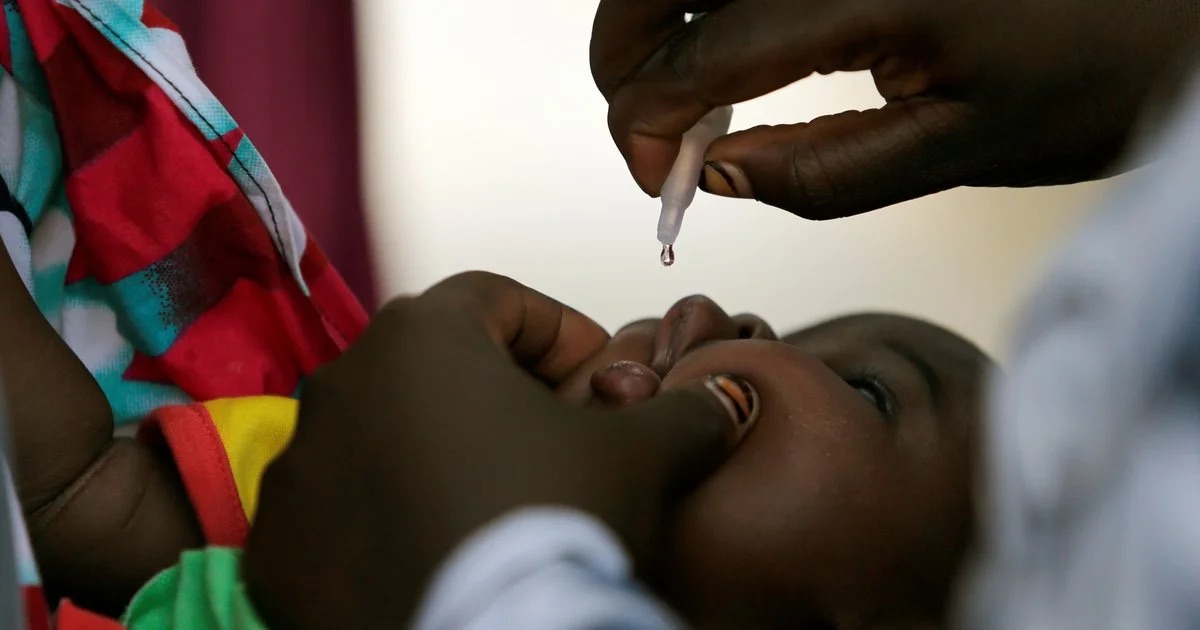
Stakeholders have intensified calls for stronger domestic financing for routine immunisation in Lagos State, warning that sustainable funding is critical to reducing the number of zero-dose and under-immunised children and protecting the state’s health system from external funding shocks.
The call was made during it quarterly review meeting of advocacy activities under the BOOST Project, an initiative of Save the Children implemented in Alimosho and Ikorodu Local Government Areas to improve routine immunisation coverage among children who have never received vaccines or have failed to complete their vaccination schedules.
Speaking, Advocacy Coordinator for Save the Children/BOOST Project, Dr. Itunu Dave-Agboola, said the project was working with the Lagos State Accountability Mechanism for Maternal, Newborn, Child and Adolescent Health (LASAM) to mobilise domestic resources and strengthen government commitment to funding routine immunisation.
She explained that LASAM had been engaging key government institutions, including the Ministry of Health, the Ministry of Economic Planning and Budget, the Lagos State Primary Health Care Board, local government chairmen and other stakeholders, with evidence-based advocacy aimed at improving immunisation financing and expanding services to remote and underserved communities.
According to her, the meeting was convened to assess progress made through the advocacy engagements, identify best practices, review commitments secured from stakeholders, examine existing challenges and develop advocacy priorities for the next quarter.
Dave-Agboola disclosed that the next phase of the advocacy campaign would extend beyond government to the private sector, encouraging companies to support routine immunisation through their corporate social responsibility initiatives.
She also said political leaders would be encouraged to prioritise public health and highlight investments made in routine immunisation and child health as part of their governance agenda.
“Advocacy remains essential to improving health outcomes. This goes beyond routine immunisation to maternal, newborn and adolescent health. Experience has shown that engaging high-level decision-makers with evidence-based advocacy tools produces results,” she said.
Other News
She explained that the project conducted a political economy analysis, gathered health statistics and tracked government budgets to determine health allocations, releases and utilisation in Lagos State.
The findings, she said, were compiled into a scorecard that now serves as an advocacy tool for engaging government officials on improving health budget allocation, releases and utilisation.
Dave-Agboola urged journalists to sustain media attention on health financing issues, describing the media as indispensable partners in advocacy. She noted that budget tracking by the advocacy group indicated that although the state was already in July, releases for the 2026 health budget allocation had yet to be made, making it impossible to assess utilisation of the approved funds.
Chairperson, LASAM’s Advocacy Subcommittee, Mrs. Shola Hassan, said the group’s immediate priority was to strengthen immunisation services across primary healthcare centres and reduce the growing number of zero-dose children in Lagos State.
She said the committee worked closely with LASAM’s Evidence Subcommittee, comprising largely government representatives, to obtain data used in developing advocacy messages and policy recommendations for senior government officials.
Hassan stressed that better welfare for community volunteers would improve motivation, reduce the temptation to falsify field data and ultimately strengthen routine immunisation coverage across the state.
Stakeholders at the meeting noted that sustained advocacy had contributed to improved release of health funds, reduced stock-outs of essential medicines, increased funding for family planning, renovation of youth-friendly centres and a decline in the number of zero-dose children.
They, however, identified poor data quality, health worker capacity, weak community participation and health system responsiveness as persistent challenges requiring continued engagement with government and other stakeholders.