Follow Us on Google
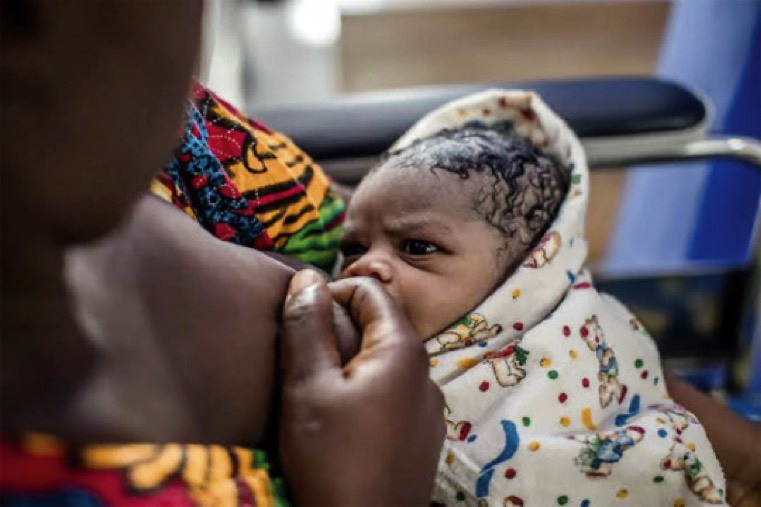
•Child’s first gift that shapes a future
For every child, the first embrace often comes with the first feed. In that quiet moment between mother and baby lays one of humanity’s most powerful life-saving interventions. Yet for millions of children around the world, that first gift is delayed, interrupted or never fully realised.
Breastfeeding remains one of the most effective ways to ensure child survival, healthy growth and brain development. It is nature’s first vaccine, providing babies with all the nutrients they need during the first six months of life while protecting them against infections and common childhood illnesses. It also shields mothers from diseases such as breast and ovarian cancers and type 2 diabetes.
According to experts, despite these well-established benefits, the practice continues to fall short of global recommendations, prompting renewed calls for governments, health systems and families to strengthen support for mothers.
As the world marks the 2026 World Breastfeeding Week, health experts insist that while progress has been recorded globally, far too many mothers still lack the support needed to breastfeed successfully.
This year’s World Breastfeeding Week, observed from August 1 to 7 under the theme, “Breastfeeding for a Sustainable Start in Life: Strengthen What Works,” focuses on expanding proven interventions that help mothers initiate and continue breastfeeding.
In a joint message, Executive Director, United Nations Children’s Fund (UNICEF), Catherine Russell, and Director General, World Health Organisation (WHO), Dr. Tedros Adhanom Ghebreyesus, described breastfeeding as one of the simplest and most powerful investments in child survival.
According to them, breast milk is safe, clean and rich in antibodies that protect infants from life-threatening illnesses while supporting healthy brain development and improving long-term educational outcomes.
They noted that mothers also benefit significantly, with breastfeeding lowering the risk of breast cancer, ovarian cancer and type 2 diabetes. “Globally, breastfeeding rates have improved over the past decade. Exclusive breastfeeding during the first six months has risen from about 37 per cent in 2012 to more than 47 per cent today, while breastfeeding up to two years has increased from 38 per cent to 50 per cent.
“Many countries continue to struggle with weak maternity protection policies, inadequate counselling services, poor workplace support and aggressive marketing of breast milk substitutes, all of which undermine breastfeeding practices.”
According to WHO and UNICEF, scaling up breastfeeding support worldwide could prevent nearly 400,000 child deaths and about 140,000 maternal deaths every year. “Beyond saving lives, every one dollar invested in breastfeeding promotion is estimated to generate about 59 dollars in economic returns through reduced healthcare costs, improved learning outcomes and increased lifetime productivity.
“Yet underinvestment comes at a heavy price. Global losses resulting from inadequate breastfeeding programmes are estimated at about 339 billion dollars annually through preventable deaths, poor educational attainment and reduced economic productivity.”
Nigeria’s worrying numbers
Nigeria presents a striking contradiction. Although almost every Nigerian mother breastfeeds, optimal breastfeeding practices remain alarmingly low.
Commemorating the World Breastfeeding Week, Permanent Secretary, Federal Ministry of Health and Social Welfare, Daju Kachollom, expressed concern over findings from the 2023/2024 Nigeria Demographic and Health Survey.
Other News
According to her, only 36 per cent of newborns are breastfed within one hour of birth, while just 29 per cent of infants are exclusively breastfed for the first six months of life. Even more worrying, only 23 per cent of children continue breastfeeding until the age of two years.
She described the figures as a reminder that much more needs to be done to give Nigerian children the healthiest possible start in life.
Health experts recommend that babies should begin breastfeeding within the first hour after birth, receive only breast milk for the first six months and continue breastfeeding alongside complementary foods until at least two years of age.
Kachollom identified factors responsible for poor breastfeeding outcomes, including delayed initiation after birth, harmful cultural practices, inadequate counselling for mothers, limited workplace support, aggressive marketing of breast milk substitutes and weak community involvement.
She stressed that addressing these challenges requires coordinated action by government, healthcare workers, employers, development partners, communities and families.
Investing in the first 1,000 days
Recognising the importance of early nutrition, the Federal Government used this year’s World Breastfeeding Week to launch the 1,000 Days of Life Social and Behaviour Change Campaign.
The initiative seeks to improve nutrition from pregnancy until a child’s second birthday, a period experts describe as the most critical window for physical growth, brain development and lifelong health.
According to Kachollom, inadequate nutrition during these first 1,000 days can lead to irreversible consequences, including stunting, impaired brain development, weakened immunity and lower productivity later in life.
She said the campaign will encourage healthier nutrition practices during pregnancy, promote early initiation of breastfeeding, support exclusive breastfeeding for the first six months, encourage timely complementary feeding and strengthen community ownership of good nutrition practices.
According to her, the Federal Government is also strengthening the National Maternal, Infant and Young Child Nutrition Strategy, expanding Baby-Friendly Hospital and Community Initiatives, improving the capacity of health workers, enforcing regulations on the marketing of breast milk substitutes and promoting breastfeeding-friendly workplaces.
WHO and UNICEF say the science is no longer in doubt. What remains is the political will and sustained investment needed to ensure every mother receives the support she needs.
For countless newborns, breastfeeding is more than nourishment. It is protection, survival, healthy development and hope wrapped into a mother’s first embrace.