Follow Us on Google

From Fred Ezeh, Abuja
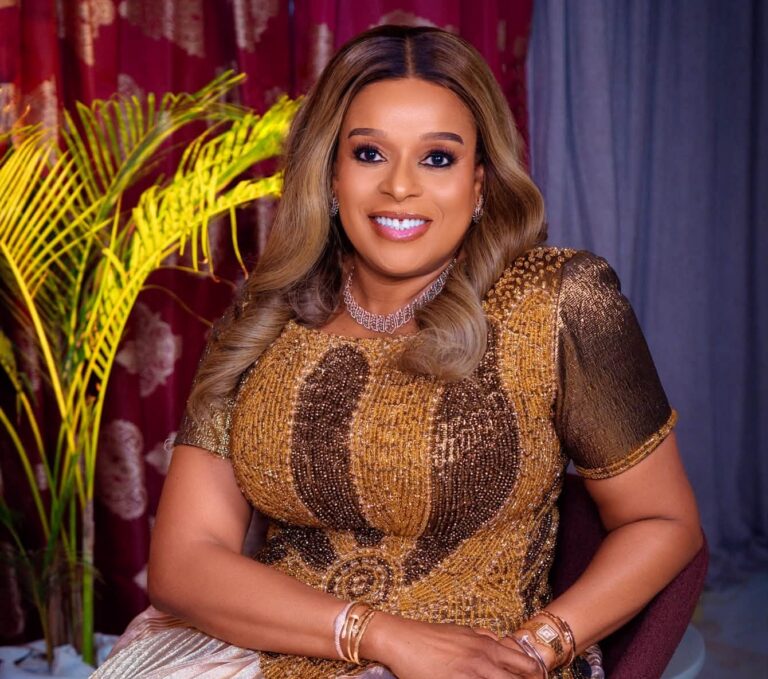
Founder, Brain and Spine Foundation Africa, Chika Okwuolisa, in this interview, reflects on the realities facing Nigerians living with neurological disorders, the alarming shortage of specialists, and why brain health must become a national development priority.
Nigeria officially commemorated World Brain Day for the first time this year. What does this mean to you and to the brain health community?
It is a historic milestone, and I say that with a deep sense of fulfilment because this is something many of us have worked towards for years. For the first time, Nigeria officially joined the rest of the world in commemorating World Brain Day, and that sends a very strong message that brain health is finally beginning to receive the attention it deserves. The World Federation of Neurology (WFN) in collaboration with the World Health Organization (WHO) to promote awareness about brain health and advocate equitable access to neurological care across the world established world Brain Day.
This year’s theme, “Brain Health: Access for All,” is particularly significant because it reminds governments, healthcare professionals and the public that access to neurological care is not a luxury. It is a necessity. I must sincerely commend the Federal Ministry of Health and Social Welfare for taking this bold step. Their decision to commemorate World Brain Day officially is a clear indication that Nigeria is beginning to recognise the enormous burden neurological disorders place on individuals, families and the healthcare system.
Why do you believe brain health deserves greater national attention?
Because brain health affects virtually every aspect of human life. When people hear “brain health,” many immediately think about mental illness, but brain health is much broader than that. It includes stroke, epilepsy, Parkinson’s disease, dementia, brain tumours, traumatic brain injuries, spinal cord injuries, developmental neurological disorders and many other conditions. These diseases affect people’s ability to work, learn, care for their families and contribute meaningfully to society. Healthy brains drive education, innovation, productivity and national development. When brain health is neglected, the consequences extend beyond hospitals. Families lose breadwinners, children lose parents, employers lose skilled workers, and the country loses valuable human capital.
That is why brain health should be viewed as a national development issue, not merely a medical concern.
What messages does this year’s theme, “Brain Health: Access for All,” send to Nigerians?
The message is straightforward. Brain health is not a privilege. It is a fundamental human right. Every Nigerian deserves access to quality neurological services regardless of where they live or how much money they have.
Unfortunately, that is not the reality today. Many Nigerians who develop neurological conditions cannot access specialists because there are none in their communities. Others cannot afford investigations like CT scans or MRI scans. Many arrive at hospitals only to discover there is no neurologist or neurosurgeon available..Access for all means changing that reality.
You spoke about the growing burden of neurological disorders. How serious is the situation?
It is much more serious than many people realise. Every day, families across Nigeria are affected by stroke, brain tumours, traumatic brain injuries, spinal cord injuries and epilepsy.
Road traffic crashes continue to increase the number of patients suffering brain and spinal injuries. At the same time, we are seeing more elderly Nigerians developing dementia and Parkinson’s disease. These are not isolated cases anymore. Virtually every community has families caring for relatives with neurological disorders, yet many people still do not recognise the magnitude of the problem because these illnesses often remain hidden.
Many patients remain at home without diagnosis. Some are taken to prayer houses before hospitals. Others never receive specialist care at all.
What are the major challenges confronting patients and their families?
The first challenge is financial. Neurological conditions are among the most expensive medical conditions to manage. Patients require specialised investigations, surgery in some cases, rehabilitation, physiotherapy, medications and long-term follow-up.
Many families simply cannot afford these services. The second challenge is inadequate healthcare infrastructure. Several hospitals still lack CT scanners, MRI machines and other essential equipment required for diagnosing neurological disorders. Even where equipment exists, maintenance remains a challenge. The third challenge is manpower. We simply do not have enough specialists to meet Nigeria’s healthcare needs.
Other News
You revealed that Nigeria has only about 169 neurosurgeons for a population of approximately 230 million people. What does that statistics tell us?
It tells us that Nigeria faces a critical shortage of neurological specialists. Imagine a country with over 230 million people relying on just about 169 neurosurgeons. Even that figure does not account for specialists who have relocated abroad. The implication is that countless patients cannot access timely specialist care. Some hospitals have no neurological specialists whatsoever. When patients arrive with severe brain injuries, strokes or brain tumours, there may simply be nobody available to treat them. That delay can mean permanent disability or even death.
How is the migration of healthcare professionals affecting neurological care?
It is having a significant impact. Nigeria invests heavily in training healthcare professionals, yet many eventually leave the country because of better opportunities elsewhere. The result is that the already limited number of neurologists and neurosurgeons continues to decline.
Government must create an environment that encourages specialists to remain and practise here. Retention is just as important as training.
Beyond increasing the number of specialists, what other interventions are urgently needed?
We need a comprehensive national approach. Government should increase investment in healthcare infrastructure. Hospitals must be equipped with CT scanners, MRI facilities and modern neurosurgical equipment. Primary healthcare centres should also be strengthened so they can recognise neurological conditions early and refer patients appropriately. We need better rehabilitation centres because treatment does not end after surgery or hospital admission.
Patients recovering from stroke, spinal injuries or brain trauma require rehabilitation if they are to regain independence.
The Federal Ministry of Health announced the establishment of a Brain Health Desk and plans to develop Nigeria’s first National Brain Health Agenda. What is your reaction?
Those are very encouraging developments. The establishment of a Brain Health Desk demonstrates government commitment to improving coordination of neurological services. A National Brain Health Agenda can provide direction for policy, research, workforce development, prevention, treatment and rehabilitation. These initiatives are important because they move brain health beyond advocacy into structured national planning. We hope implementation will match the commitment that has been expressed.
What role does public awareness play in addressing neurological disorders?
Awareness is absolutely essential. Many people do not recognise the warning signs of stroke until it is too late. Others mistake epilepsy for spiritual attacks. Some believe memory loss is simply part of ageing when it may actually be dementia. People must understand the symptoms, seek medical attention early and avoid self-medication or harmful traditional practices. Early diagnosis can significantly improve outcomes for many neurological conditions.
What message do you have for policymakers?
My message is that investing in brain health is investing in Nigeria’s future. Government should increase budgetary allocation to neurological healthcare, expand specialist training, improve diagnostic facilities, strengthen rehabilitation services and support research. Brain disorders are rising. Ignoring them will only increase disability, healthcare costs and economic losses.
What would you like every Nigerian to remember after this year’s World Brain Day?
I want Nigerians to remember that brain health concerns everyone. Nobody is immune. Stroke, epilepsy, brain tumours, traumatic brain injuries and dementia can affect any family. The encouraging news is that many neurological disorders can be prevented, detected early or effectively managed when people seek medical care promptly.
I also want Nigerians to know that we all have a role to play, and this includes government, healthcare professionals, civil society, the media and individuals. Together, we can reduce stigma, promote healthy lifestyles, encourage early diagnosis and improve access to neurological care.
Above all, let us remember this: brain health is a fundamental human right, not a privilege. Every Nigerian deserves access to quality brain healthcare, and we must work together to make that a reality.