Follow Us on Google
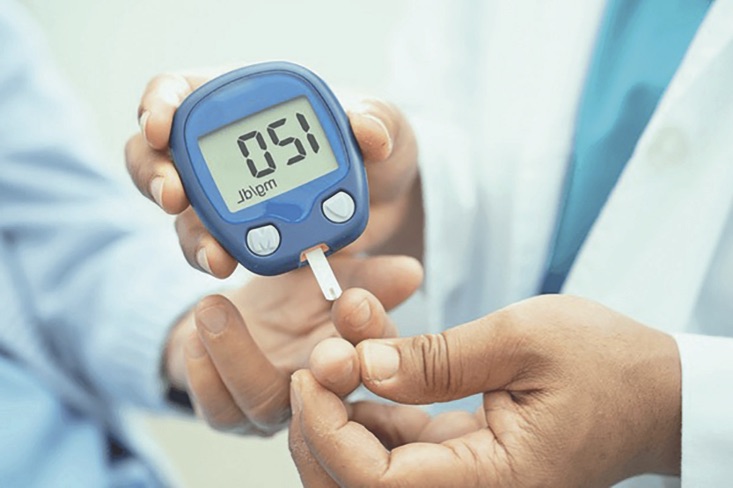
• Medical experts urge Nigerians to seek health advice from professionals
By Ngozi Nwoke
Medical doctors in Lagos have sounded the alarm over the rising consumption of carbonated drinks among Nigerians, warning that the habit could lead to severe health complications.
Adewale Adeniyi, a renowned physician, expressed his concern while recounting an encounter with a woman in transit who repeatedly consumed soda as a remedy for her low blood sugar.
“Sometimes, I look around, and my heart breaks because we do not realise how much we are hurting ourselves,” Adeniyi said. “Every day I step outside, I see the streets lined with vendors selling carbonated drinks. I see people, young and old, even pregnant women, buying and drinking them like water.”

The doctor recounted asking the woman who was sipping her third soda within a three-hour-journey, why she was consuming the drink, and she responded that her colleagues had advised her to do so to manage her low blood sugar level.
“My heart sank at her response because I knew she did not know the truth. She was just trying to survive the day, like many of us. But what she was drinking can slowly tear the body apart from the inside,” he explained.

Adeniyi listed the potential health risks associated with excessive soda consumption, including liver overload, hormone disruption, inflammation, energy drain, and kidney damage.
The doctor urged Nigerians to opt for water instead, emphasising that it is not a weakness to crave relief but rather to make informed choices.
“It is not a weakness to crave relief. But do not let your relief become your regret. Be kind to your body. Be kind to your future. Stay away from sodas,” he advised.
The warning comes as Nigeria grapples with an increasing burden of non-communicable diseases, with many citizens adopting unhealthy lifestyles.
Adeniyi’s appeal was a call to action for Nigerians to prioritise their health and make conscious choices about their beverage consumption.
Young Adunni Akinola, diagnosed with low sugar levels, stated that consuming carbonated soft drinks; malt and liquid milk, with the intention to stabilise her sugar level was recommended by a pharmacist.
“I take Fanta when my sugar drops. It gives me an instant energy boost. I know it’s not the healthiest, but it works for me.
When asked if a doctor had prescribed medication for her low sugar level, Akinolà replied, “Honestly, I’ve been managing it on my own with the pharmacist’s advice. I have not seen a doctor about it, to be honest.
“But I’m worried now because I’ve heard it’s not good to keep self-medicating. Maybe I will go see a doctor next week. I just want to make sure I’m okay because this low sugar thing is scary. Sometimes I get shaky and dizzy, and I don’t want it to get worse.”
Oluwasegun Godspower, a 43-year-old man with high sugar levels, shared that he took to a remedy that he claims works for his condition so long as it is natural.
“I have been drinking lemon grass tea and bitter leaf water for months. My sugar levels have stabilised, and I feel more energetic. It’s a natural remedy that works for me.”
He shared that he has made in-depth research on the efficacy of lemon grass tea on high sugar levels and was convinced that it would work for him without needing to seek medical treatment.
He disclosed: “I have been reading up on traditional remedies and watching videos online. I came across lemon grass tea and bitter leaf water, and I decided to give it a shot. I’ve been drinking it twice a day, and I’ve noticed a significant change.
“My sugar levels are under control, and I feel more energetic. I’ve also started incorporating more fruits and veggies into my diet, and I’ve cut down on sugary foods. It’s been a lifestyle change, really.
“I’m not saying I’m cured or anything, but I’m managing it naturally, and that’s what works for me. I’ve not had any side effects, and I’m happy with the results so far.”
These individuals have different experiences with managing their sugar levels. While some find relief in these remedies, medical experts urge caution and recommend consulting a doctor for proper guidance.
Saturday Sun spoke to some medical doctors on people self-medicating with carbonated drinks and herbal concoctions to manage their sugar levels. The medical experts cautioned Nigerians against self-medicating with carbonated soft drinks and herbal concoctions to manage their blood sugar levels, saying it could lead to more harm than good.
Ifeoma Abassah, Managing Director of Alpha Nursing Senior Care Centre, said carbonated soft drinks may provide a temporary relief for low blood sugar, but their high sugar content can cause a spike in blood glucose levels, which can be detrimental to health.
Other News
Abassah explained that while some herbal remedies have shown promise in managing type 2 diabetes, the dosages used in studies are often not replicated in self-mixed concoctions, making it risky for individuals to experiment with these remedies without medical supervision.
“Carbonated soft drinks effectively raise blood glucose due to their high simple sugar content, typically 25-50 grams per litre. These drinks hit peak blood sugar levels reliably at the 30-minute mark—for instance, Pepsi spiked it by 45 per cent and Schweppes by 43 per cent,” she said.
Abassah warned that self-medication with herbal concoctions can lead to sudden lows, clashes with medication, or even toxicity, especially when taken without a doctor’s input.
“Some herbs look promising from trials on type 2 diabetes folks. Black seed, fenugreek, ginger, and cinnamon have shown benefits, but going rogue with self-mixed herbal drinks is risky because studies haven’t nailed down safe dosages for most concoctions. People often guess and end up with wild swings in blood sugar,” she cautioned.
The medical expert advised Nigerians to seek medical attention and follow prescribed treatment plans rather than relying on unproven remedies to manage their blood sugar levels.
Fatima Ali, Diabetologist, Metro-Life Clinic, Maryland, warned that self-medication with unconventional remedies can obscure underlying health issues, making it harder for doctors to diagnose and treat patients effectively.
“Ignoring medical guidance and relying on unproven fixes can lead to complications and worsen health outcomes.
“Self-medicating with these remedies can mask symptoms and delay diagnosis. Patients need proper medical attention and guidance to manage their sugar levels effectively, “she emphasised.
Supporting Ali’s sentiment, Emeka Okafor, General Practitioner, Sunbeam Medical Centre, Isheri, enlightened that many people are misusing herbal remedies as a substitute for proven medical treatments.
He stressed the importance of combining any alternative approaches with conventional care rather than relying solely on unproven remedies.
“Herbal concoctions like lemon grass tea and bitter leaf water might have some benefits, but they are not a replacement for prescribed medication or a healthy lifestyle. Patients with high sugar levels should consult their doctors for personalised advice.”
Similarly, Aisha Mohammed, an endocrinologist at Lagos Health Hospital, Igando, noted that a quick fix mentality can do more harm than good in managing blood sugar levels.
She emphasised the need for a long-term approach to dietary habits, highlighting the benefits of a well-rounded meal plan.
“Consuming carbonated soft drinks to boost sugar levels is a temporary fix and can lead to a sugar crash later. Patients with low sugar levels should focus on balanced diets with complex carbs, proteins, and healthy fats.”
Renowned medical doctor and president of SaveALife Foundation, Richard Okoye, also raised alarm over the increasing use of unverified herbal remedies, warning that they could be toxic to users.
Okoye noted that while herbal remedies have been used for generations and some plant-based substances have medicinal properties, the assumption that “natural means safe” is a recipe for disaster.
“The belief that herbal mixtures are safe simply because they are ‘natural’ is a myth that must be debunked,” Okoye said. “Many of these products are not scientifically tested, not properly dosed, and sometimes not regulated for safety or purity.”
According to him, some of these mixtures may contain unknown ingredients, harmful contaminants, or substances that interact dangerously with prescription medications or affect the overall internal environment of the user.
The president disclosed that medical practitioners have been treating patients with liver damage, kidney injury, or severe reactions after consuming these unverified herbal preparations, saying it is “becoming alarming”.
Okoye, therefore, advised Nigerians to exercise caution and seek professional advice before taking any herbal remedy, saying, “It’s better to be safe than sorry.”
Meanwhile in a different perspective, health-conscious Mrs. Irene Igwe, a self-employed businesswoman, shared her approach to maintaining a healthy lifestyle. “I have been living this way for years, and I feel great. I eat a balanced diet with lots of fruits, veggies, whole grains, and lean proteins. I also make sure to exercise regularly – I walk or jog early in the mornings, and I do some light stretching in the evenings.”
She emphasised the importance of routine check-ups. “I see my doctor every 6 months for a general check-up, and I get my sugar levels checked. It’s just part of taking care of myself.”
Igwe stressed that everyone’s body is different. “What’s works for one person might not work for another. I focus on what works for me, and I encourage others to find what works for them.” She added, “I don’t judge people who choose different paths. We all have our own ways of living, and that’s okay.”
Igwe’s approach is about balance and consistency. “It’s not about being perfect; it’s about being consistent and making healthy choices most of the time.”
On a related note, a recent trend promoting urine therapy as a cure-all for various health issues, including low and high sugar levels, has sparked concern.
Jane Chinonso, a renowned medical expert, debunked claims that drinking urine can help manage sugar levels, citing a lack of scientific evidence.
“Urine therapy is not a proven treatment for managing sugar levels or any other health condition. Urine is a waste product that contains toxins and bacteria, which can be harmful if reintroduced into the body. We advise against this practice and encourage individuals to seek medical attention from qualified professionals rather than resorting to unproven remedies,” she warned.