Follow Us on Google
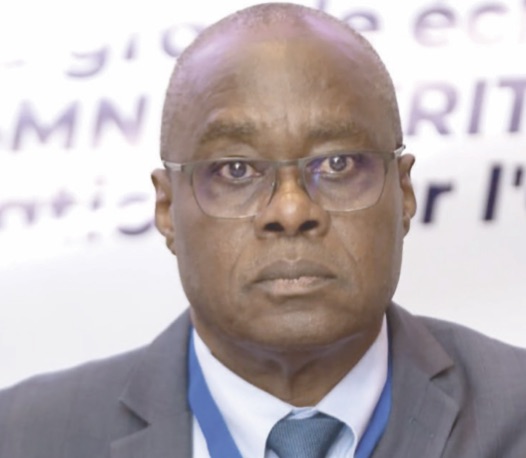
By Doris Obinna
Managing Director, FP2030’s North, West and Central Africa Hub, Dr. Alain Damiba, has called for stronger collaboration in Africa to expand family planning and accelerate sustainable development by 2030. He spoke with Daily Sun.
Excerpts:
What does the next stage of the Made Possible By Family Planning Campaign look like?
We are currently in a phase of evaluation for the Made Possible by Family Planning Campaign. Following the activities undertaken to date, including the significant milestone in Bogotá, we are now assessing the feedback received from a wide range of stakeholders. This includes input from governments, non-governmental organisations, donors, foundations, and bilateral partners.
At present, we are analysing this feedback in detail, and the findings will shape the next stage of the campaign, which is scheduled to be rolled out in the coming weeks and months. There is a clear consensus among partners, collaborators, and funders that this initiative is vital in reframing family planning as not only a health issue but also a development priority.
We are confident that the forthcoming phase will continue to strengthen efforts to ensure family planning is accessible, affordable, and available to all who need it.
Nigeria has made some efforts in family planning through government funding, state-level decentralisation, and collaboration with NGOs and the private sector. How do these efforts position the country as a model, and what lessons can neighbouring nations draw from its approach?
Nigeria has established itself as a leader in family planning through a combination of strong government commitments, decentralised leadership, and collaboration with non-governmental and private sector actors. The federal government has allocated new funding to procure family planning commodities and contraceptives, particularly in response to reductions in donor support, thereby ensuring continuity of supply and preventing stockouts.
Progress has also been achieved by integrating private sector participation, including pharmacies, drug shops, and NGOs, alongside public sector interventions. At the governmental level, responsibility has been decentralised to the states, enabling them to lead and manage family planning initiatives more effectively. This model of state-level leadership provides a valuable example for neighbouring countries.
Nigeria’s engagement with NGOs is extensive, with organisations contributing to areas such as supply chain management, logistics, demand generation, service delivery, quality improvement, and data collection. The country’s strong representation at international forums, such as the International Conference on Family Planning, further demonstrates the breadth of its commitment.
A defining feature of Nigeria’s approach is the integration of family planning into the wider health system, particularly within primary health care, supported by community health workers. This comprehensive model, combining government leadership, decentralisation, multi-sectoral collaboration, and integration into health services, offers important lessons for other countries seeking to strengthen their family planning programmes.
How are African countries, particularly Nigeria, expected to contribute to the success of the new phase?
African countries are expected to contribute to the success of the Made Possible by Family Planning Campaign at two levels. At the regional level, the Economic Community of West African States (ECOWAS), adopted a policy in Abuja in 2000 to allocate 15 percent of national budgets to health. This commitment, which includes family planning, continues to be monitored as part of their broader health financing goals.
At the campaign level, there is no fixed financial target for individual countries. Instead, contributions are encouraged through philanthropy roundtables, which bring together government representatives, private sector leaders, foundations, and industry stakeholders. These forums promote awareness of the benefits of family planning for health and development and encourage voluntary commitments. Thus, giving a sense of collective effort in advancing voluntary rights-based family planning as a catalyst for sustainable development.
In Nigeria, for example, collaboration between government and private sector providers is being promoted. This approach allows the government to cover part of the demand for family planning services, while private clinics and practitioners support additional needs, thereby sharing costs and expanding access. Contributions are not limited to financial resources; they may also include in kind support such as human resources, community engagement, and service delivery.
Roundtables have already been held in Francophone West Africa, and similar initiatives are planned for Nigeria to strengthen private sector involvement. At this stage, the emphasis remains on sensitisation, education, advocacy, and building a culture of contribution. Over time, this may evolve into more defined targets. Internationally, the campaign is also engaging high net worth individuals to broaden support.
Other News
By 2030, what outcomes do you expect the campaign to achieve?
By 2030, the Made Possible by Family Planning Campaign is expected to deliver several significant outcomes that build on the progress already achieved under FP2020 since its launch in 2012 and now FP2030. Over the past decade, global family planning efforts have resulted in more than 100 million additional women gaining access to and using family planning services compared with figures from 2012. This increase demonstrates both the demand for such services and the capacity of coordinated initiatives to expand access. The campaign aims to sustain and accelerate this trend so that millions more women who wish to use family planning but currently lack access will be able to do so by 2030.
A key measurable outcome anticipated is the rise in contraceptive prevalence rates across countries. The contraceptive prevalence rate, which represents the percentage of women using family planning, is expected to increase steadily if the campaign is successful. This will reflect not only expanded service provision but also improved awareness, acceptance, and integration of family planning into national health and development agendas.
Beyond numerical growth, the campaign seeks to transform the narrative around family planning. By 2030, it is expected that more governments, donors, civil society organisations, and private sector actors will be actively engaged in advancing FP2030 goals. The campaign intends to normalise family planning as a central component of development discourse, moving it beyond being perceived solely as a women’s or health issue. Instead, it will be recognised as integral to economic development, social progress, and national wellbeing.
Another anticipated outcome is the mainstreaming of family planning into everyday policy and community conversations. By embedding family planning into national development strategies, countries will be better positioned to ensure that women can freely access services, fulfil their aspirations, and contribute more fully to societal growth. The campaign aims to foster national consensus in each participating country, affirming the importance of family planning as a shared priority.
In practical terms, governments are expected to allocate increased funding to family planning programmes, while the private sector will be encouraged to commit additional resources. This dual investment will strengthen service delivery, expand coverage, and ensure sustainability. Contributions will not be limited to financial support; they will also include human resources, technical expertise, and community-level engagement.
By 2030, the Made Possible by Family Planning Campaign aspires to achieve a combination of quantitative and qualitative outcomes: higher contraceptive prevalence rates, broader access for women, stronger partnerships across sectors, and a cultural shift that positions family planning as a cornerstone of development. These achievements will collectively ensure that family planning is accessible, affordable, and recognised as essential for the advancement of societies worldwide.
How will the campaign support Nigeria in meeting its FP2030 commitments in the next five years?
The Made Possible by Family Planning Campaign will play a central role in supporting Nigeria to meet its FP2030 commitments over the next five years. Nigeria has clearly stated in the FP2030 framework that it intends to increase the number of family planning users, provide sustainable funding for contraceptives, and ensure universal access to health care services.
The campaign is fully aligned with FP2030 objectives. Nigeria was among the countries that signed the original FP2020 commitments in London in 2012 and subsequently renewed and revised these commitments under FP2030. These commitments, shared by many African nations, remain the guiding framework for advancing family planning across the region.
The campaign will act as a catalyst to help Nigeria achieve these goals by strengthening advocacy, raising awareness, and mobilising support across all levels of society. It will encourage policymakers, including parliamentarians, to prioritise family planning in legislation and budgetary allocations. By ensuring that decision-makers hear and understand the importance of family planning, the campaign will help secure the political and financial commitments necessary to expand access.
In addition, the campaign will foster collaboration between government, civil society, and the private sector. This includes engaging communities, health professionals, and non-governmental organisations to contribute resources, expertise, and services. The campaign will also promote knowledge sharing and storytelling to shift the narrative, making family planning a recognised development priority rather than being viewed solely as a health or women’s issue.
Through these combined efforts, the Made Possible by Family Planning Campaign will provide the momentum required for Nigeria to meet its FP2030 commitments. It will ensure that family planning remains high on the national agenda, that adequate funding is allocated, and that services are expanded to reach more women and families. Ultimately, the campaign will help Nigeria achieve its stated goal of increasing contraceptive use and guaranteeing access to family planning for all who need it.
What message for policymakers and donors regarding Nigeria’s leadership in family planning?
Nigeria has demonstrated clear leadership in family planning through strong government commitment and effective coordination mechanisms. The federal government has allocated domestic budgetary resources to procure commodities and sustain the programme, while also establishing systems to align the efforts of partners across the public sector, private sector, NGOs, and the donor community.
A recent national meeting, led by the government, reinforced this coordination and ensured that family planning is integrated into primary healthcare and the wider health system. Nigeria’s experience provides valuable lessons and best practices that can be shared with other countries in the region to strengthen their own programmes.