Follow Us on Google
The United Nations Children’s Fund (UNICEF) has called on the media to strengthen awareness of early initiation of breastfeeding and six months of exclusive breastfeeding to ensure effective nutrition for proper child development, human capital development, and sustainable development in the nation.
The organisation said the call had become necessary as nearly 820,000 child deaths could be prevented annually through optimal breastfeeding.
The organisation made the call at a two-day Zonal Media Dialogue on the Dissemination of Key Advocacy Messages for the 2026 World Breastfeeding Week, held in Enugu. The event, themed “Breastfeeding for a Sustainable Start in Life: Strengthen What Works,” was organised by UNICEF in collaboration with the Broadcasting Corporation of Abia State (BCA).
The programme is funded by the U.S. Government, the United States Mission in Nigeria, the Child Nutrition Fund, the Gates Foundation, and The Church of Jesus Christ of Latter-day Saints for journalists in Benue, Imo, Cross River, and Enugu states.
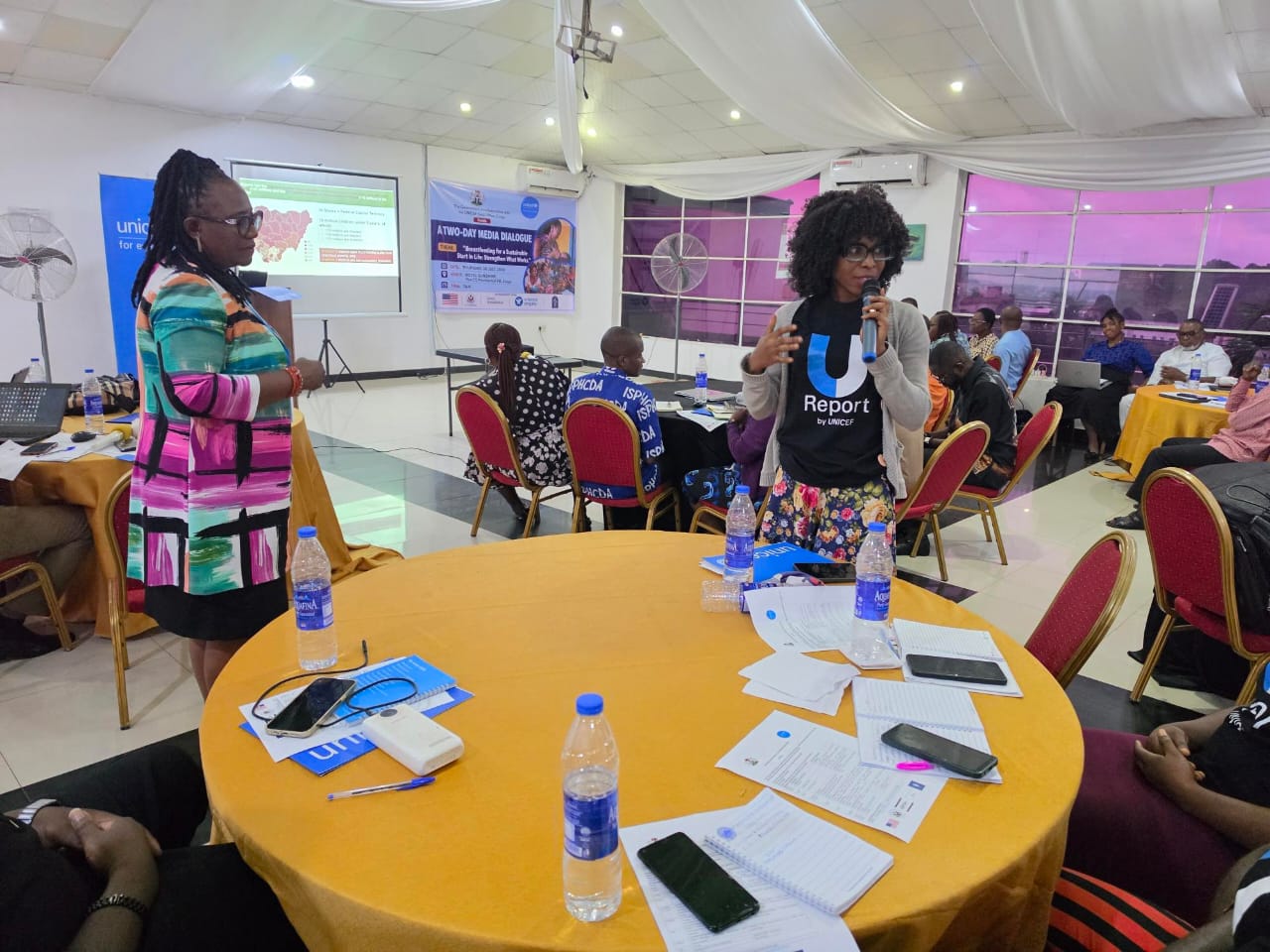
Speaking at the event, the Social Behaviour Change Communication Specialist and Officer-in-Charge of the UNICEF Field Office, Enugu, Dr Hilary Ozoh, who made the call, said UNICEF is committed to improving the lives, nutrition, survival, and development of every child.
Ozoh said the theme of the event was a reminder that breastfeeding is one of the most effective and efficient investments any society can make for the future, adding that breastfeeding provides infants with the best possible start in life, strengthens immunity, promotes positive development, and contributes significantly to maternal health.
He stated that “it is also a critical intervention for achieving the Sustainable Development Goals (SDGs).”
He said that despite the overwhelming evidence supporting breastfeeding, barriers such as harmful social norms, lack of workplace support, and myths, among others, have continued to inhibit it, urging all stakeholders to work together to address the challenges.
According to him, the media is not just a channel but a powerful partner in shaping public opinion, influencing public policy, amplifying evidence-based messages, and inspiring positive behavioural change through accurate, consistent, and compelling storytelling. Media practitioners can help create an enabling environment where communities are empowered to make informed decisions about infant and young child feeding.
“This platform is therefore designed to strengthen our partnership with the media by equipping participants with concrete evidence, organised advocacy messages, and practical approaches that would enhance quality reporting throughout World Breastfeeding Week and beyond. Together you can be sure that every child has opportunity to survive and live above their potentials.”
The Director-General of the Broadcasting Corporation of Abia State (BCA), Francis Nwabuani, who was represented by Nkpa Okezie, said the organisation has been a long-time partner of UNICEF, reassuring of the government’s continued and sustained support for exclusive breastfeeding.
Other News
The Communication Officer, UNICEF Enugu Field Office, Ijeoma Onuoha-Ogwe, explained that the programme was aimed at promoting advocacy messages on World Breastfeeding Week 2026 in line with the guidelines of the World Alliance for Breastfeeding Action (WABA), which promotes World Breastfeeding Week held from August 1 to 7, 2026.
She urged journalists to disseminate information about breastfeeding, advocate stronger family, office, and market-space support for breastfeeding, as well as promote exclusive breastfeeding in the first six months of life.
She said the training was aimed at promoting strategic partnerships between government and the media, development partners, and civil society organisations to advance breastfeeding advocacy and support a healthy environment for optimal breastfeeding practices.
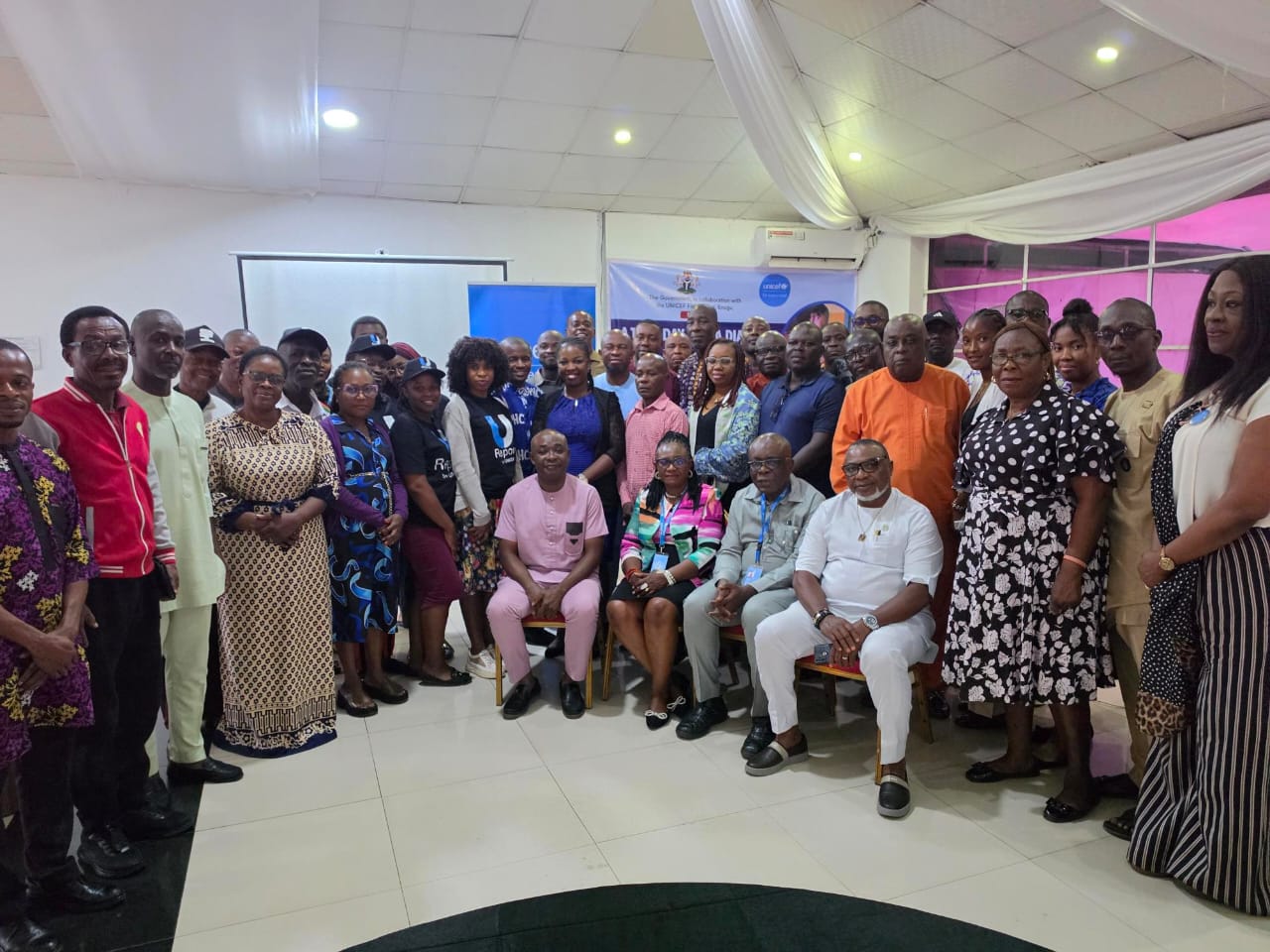
She also said it was designed to strengthen the capacity of media practitioners to accurately report and amplify evidence-based information on breastfeeding, infant and young child feeding, and maternal and child nutrition.
In his paper titled “Leveraging on Media for Advocacy on Infant and Young Child Feeding, Child Survival and Development: Strengthening What Works for Breastfeeding,” a Consultant Public Health Physician in the Department of Community Medicine, Enugu State University of Science and Technology, Dr Chikezie Obasi, said nearly 820,000 child deaths could be prevented annually through optimal breastfeeding.
He urged journalists to be champions in amplifying, scrutinising, mobilising, and sensitising policymakers on compulsory six months’ paid maternity leave, as well as exclusive breastfeeding, which helps shape the survival, growth, and development of children.
He said, “Breastfeeding is natural and successful breastfeeding needs support. The first 1,000 days in the life of a child shapes his or her survival, growth and development. Though 90 percent of women breastfeed their babies, only 36 percent has early initiation while only 29 percent breastfeed exclusively. Nigeria’s gap is a call for stronger support not blame.”
The Nutrition Specialist, UNICEF Field Office, Enugu, Ngozi Onuora, noted that out of 38 million children under five years, 15 million experience stunted growth, 10 million are wasted, while 12 million are anaemic, which she described as a killer disease.
According to her, two out of every three children aged between six and 23 months suffer from child food poverty, while another two out of three children are not exclusively breastfed.
Mrs Onuora further lamented that 46 per cent of children in Benue State are critically malnourished and emphasised the urgent need for increased sensitisation to bridge existing gaps and strengthen what works.