Follow Us on Google
By Rita Okoye
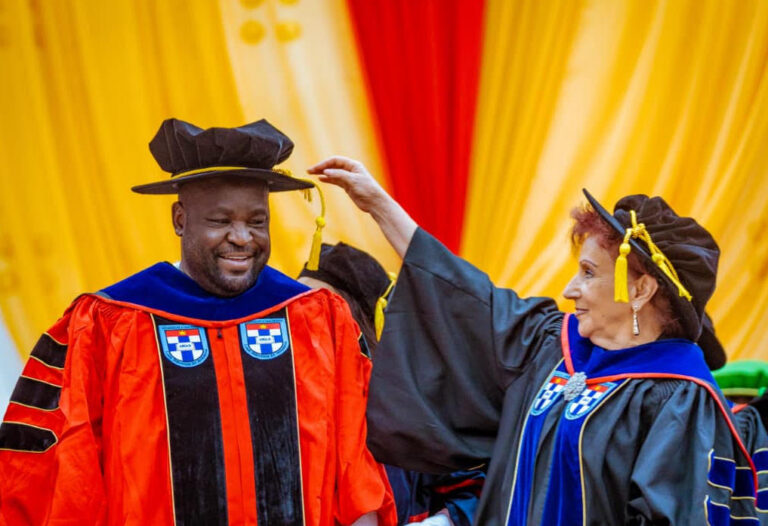
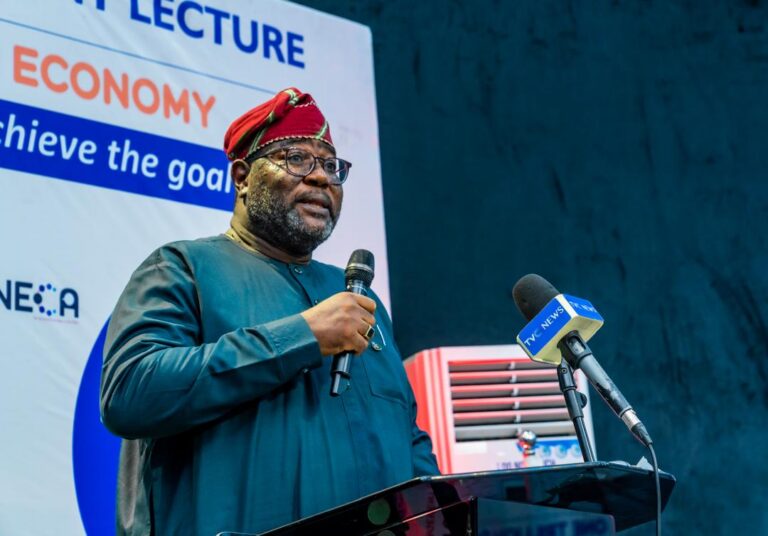
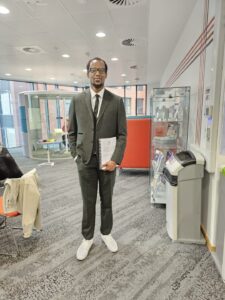
Dr. Chigozie Chukwu is a perfect blend of intellect, dedication and impact in economics. He is making his mark as a lecturer (Assistant Professor) and Module Leader at the University of Wolverhampton while also distinguishing himself through his exceptional teaching in and out of academic walls.
As an author of three academic textbooks, Chukwu’s collection of professional certifications, both at home and abroad, continues to scale up his unwavering commitment to excellence. In this Q&A session, he shared with The SUN that perseverance and a passion for knowledge can propel one’s career and set them ahead of the pack as established and aspiring economists.
As an architect of leaders, could you walk us through some of your publications and how you believe your academic research and authorship can shape the next generation of leaders in the field of economics?
I have authored and published three textbooks on econometrics. The first was in 2012, and then in 2013, and then in 2017. I had always wanted to connect theory with real-world practice. Econometrics is significantly important because it helps us test ideas, measure the effects of policies, and understand economic relationships. It turns abstract concepts into clear, evidence-based insights.
In my books, I focused on making econometrics easier to understand by explaining methods clearly and showing how they apply to real problems. I want students to do more than just run models; they should be able to interpret results carefully, recognize what the data can and cannot tell us, and share their findings logically.
I hope my research and writing will help prepare future leaders in two ways: teach students to think analytically, learn to ask probing questions and make decisions based on evidence, which is crucial today and show how econometrics applies to real industries like finance, government, and business. Students who can use these skills in areas like forecasting or policy analysis will stand out.
In the end, I believe econometrics helps create leaders who are both capable and responsible. Through my books, I want to help students achieve more than good grades. I hope they will use what they learn to make a real impact in their careers. As data becomes even more important, future economists should be confident, thoughtful, and open to new ideas. This belief guides my teaching and writing.
How would you say you measure the long-term impact of your teaching on the leadership capabilities of your students over the years?
I use several research methods and monitor results over time to understand the long-term impact of my teaching. I stay in touch with graduates of economics for about two years after they complete their studies, primarily through LinkedIn. I also use alumni surveys and professional profiles to track their progress in leadership, such as earning promotions, taking on supervisory roles, gaining certifications, writing policy memos, advising others, or initiating community projects.
While they are in school, students compile a collection of their work, which includes a short report on a policy issue, a project that replicates someone else’s study, and a reflection on leadership. After they graduate, I revisit some of these collections to see which work habits persist, such as conducting analysis that others can replicate, being transparent about their reasoning, and communicating effectively.
Sometimes, I organize groups of former students so they can guide current students using real examples from their jobs. I observe how well these mentors explain problems, incorporate diverse opinions, and utilize evidence effectively. Over the years, I have found that the best signs of future leaders are regularly using step-by-step methods to make decisions, building confidence through analysis that can be repeated, and engaging in conversations that welcome everyone and different points of view.
How would you say your academic research influenced the content and approach of your textbooks?
My academic research informs both the content and instructional design of my published textbooks.
The curriculum emphasizes careful methods and ensures that lessons are relevant to real-world situations. Complex concepts are illustrated through real-world policy examples. This helps illustrate why certain tools are important and what problems can arise.
Chapters cover methods for studying data that changes over time and techniques for identifying cause-and-effect relationships, utilizing topics such as causation, regression, and correlation and specialized methods for analyzing data.
Empirical examples from both the global south and north are integrated into my teaching practice to illustrate general econometric principles across diverse institutional contexts.
How do you adapt your teaching methods and textbook content to address the evolving diversity and inclusion challenges in leadership?
I believe inclusion is an essential leadership skill, so I make it a clear focus in my teaching.
For design curriculum and learning, I utilize multiple formats, including virtual learning environments (VLE), text, flowcharts, and short videos. Students can participate through debates, simulations, peer reviews, or reflections and demonstrate their learning via oral briefs and formative and summative assessments.
To broaden perspectives, I include examples from the global south and north. This helps students explore how different contexts shape outcomes and prepares students to lead in diverse settings.
Further, I promote assessment equity by providing clear rubrics and allowing students additional opportunities to demonstrate mastery. Students may also submit work in accessible formats
What feedback from students or readers has most influenced your approach to writing textbooks and designing leadership curricula?
I love this question; for me, it is the core of everything I do as an educator. Because I teach diverse students from different backgrounds, I make it a point to conduct a mini feedback session at the end of each of my lectures. This gives me the opportunity to see how students have progressed with the course content, learning objectives, and even my teaching style, among other things.
Other News
Within the business school, students are required to complete a midterm assessment feedback form. Students are asked diverse questions regarding the teaching materials, campus experience, and other topics. In the last two years, I have received overwhelming positive feedback from students, readers, and colleagues within the business school, and this gives me tremendous joy
Students and readers valued templates they could reuse at work. I now include diagnostic checklists and a leadership reflection prompt at the end of each semester.
How would you say your engagements with professional associations have influenced your approach to leadership development, teaching, and textbook authorship? Could you also share with us the unique benefits these associations have provided in shaping your work as an architect of leaders?”
My membership in the Royal Economic Society (RES) ensures that teaching practices and scholarly writing remain aligned with advanced methodologies and established professional standards. However, the benefits are numerous.
Participating in teaching sessions and group work enhances my approach to teaching about finding answers, handling uncertainties, and conducting research responsibly, which are essential for effective academic leadership.
In terms of community and improvement, the association conferences help members discuss and review current topics, such as artificial intelligence in economics, clear rules, and ensuring fair teaching practices, thereby keeping teaching materials up to date.
Another benefit is that mentors in these professional groups review draft research projects, carefully checking if they are clear and employ sound methods.
Finally, the association helps students get involved through contests, mentoring, job fairs, and advisory support, which are included in the leadership program.
In your career, you have attended and actively participated in a handful of conferences and professional training sessions across the UK and Africa. What role would you say these programs played in shaping and enhancing your teaching skills, and how have these experiences influenced your approach to developing future leaders through your academic work and textbooks?”
These conferences and training have shaped my approach to teaching practice. After attending active learning workshops, I began incorporating simulations, case studies, and student-centric approaches into my lectures. These help students build leadership skills in realistic situations.
Training in constructive alignment led me to redesign assessments. Now, I focus on real-world tasks, such as class activities, one-on-one briefs, online quizzes, and dashboards, instead of just exams.
Presenting my research works in both Africa and the UK made me more aware of the challenges, such as data costs and resource availability. To help everyone access leadership learning, I now offer more virtual learning options and simpler datasets.
After getting feedback at academic conferences, I added case libraries and decision rubrics to one of the modules I teach, titled “Applied Econometrics.” This helps students and instructors easily adapt the materials to their needs.
Q: What are some of the key challenges you faced as a young author in academia, and how did you navigate them?
I faced numerous challenges as a young author (I am still a young author, by the way, LOL). To keep this brief, I will mention only a few of these challenges.
Gatekeeping & clarity: My early drafts tried to cover too much. I learned to write for a specific type of reader, keep my main ideas clear, and place more challenging material at the end.
Getting support from a publisher was especially hard. It was challenging to find a publisher willing to take a chance on someone new to the field. I paid for much of the early work myself, which was also challenging. Some experienced academics doubted that a young person could write trustworthy and useful books on such a difficult subject.
Again, the feedback I got from students who used my drafts was very encouraging and helped me navigate those periods in my life. It showed me that I was meeting a real need. Over time, this motivation prompted me to move beyond econometrics and explore other areas of economics. It helped me develop new approaches to teaching economics and econometrics and made me a valuable resource for students and new researchers who continue to utilize these materials.
What advice would you give to young academics aspiring to become successful textbook authors about facing and overcoming similar challenges?
Writing a book can be tough for early-career academics. Building resilience helps you navigate common hurdles, such as writer’s block and criticism. Sticking with it increases your chances of finishing a strong manuscript.
It’s essential to consider who will read your book. Knowing if your main readers are students, teachers, or researchers helps you choose the right words and examples. Adding questions or activities can also make your book more engaging and useful.
Good research methods matter. Keep your materials organized and take clear notes from reliable sources to help your ideas flow logically. Outlining your chapters and seeking feedback from colleagues can further enhance your manuscript.
By building resilience, connecting with your audience, and employing robust research methods, you can effectively tackle the challenges of writing a textbook. With practice and determination, the writing process becomes more rewarding, and your chances of success grow.
Is there anything else you would like to add?
Leadership is more than words; it is the art of making wise choices, standing up for what is right, and making sure no one is left behind. In my classroom and research, I strive to empower students to tackle problems with sharp minds, ask insightful questions, and listen with humility to voices that are often overlooked. If we can nurture thoughtful and compassionate economists, we will have truly achieved our goal.