Follow Us on Google
Experts, community leaders seek new life for Kaduna’s oldest waste ground
From Noah Ebije, Kaduna
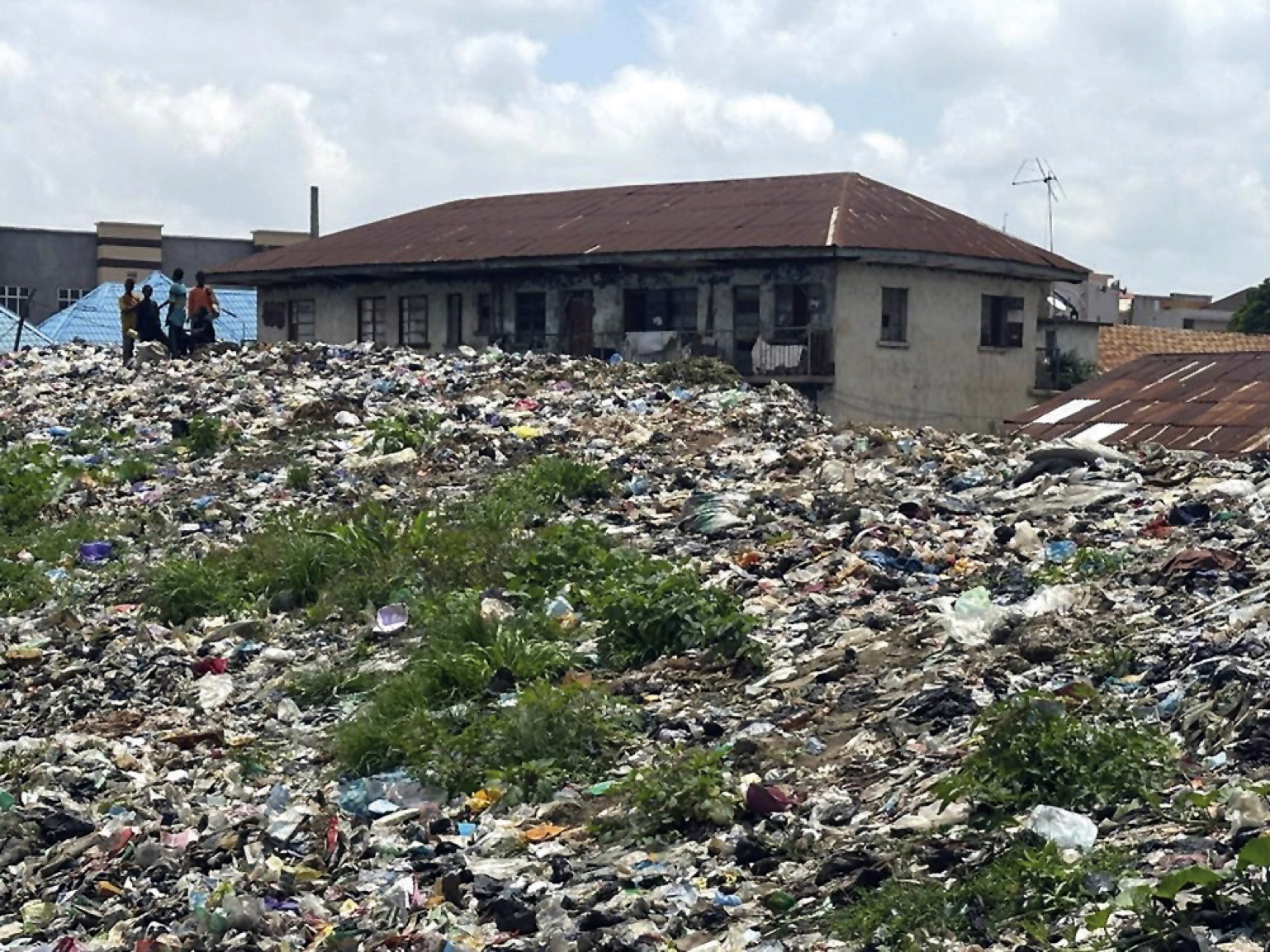
For years, residents of Ungwan Tudun-Ilu in Kaduna metropolis have watched waste pile up in a place that has gradually become part of their everyday landscape.
But beneath the mountains of refuse lies a growing environmental concern.
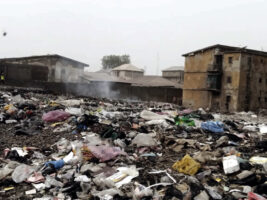
Smoke from burning waste drifts through the neighbourhood. Plastic materials, animal waste and refuse from surrounding commercial areas accumulate at the site.
Residents, including women and children, are left to contend with unpleasant stench, air pollution and fears over the health consequences of prolonged exposure.
Now, environmental experts and community leaders are calling for a different future for the site; one that would see the waste evacuated and the land transformed into useful community infrastructure, including temporary shops and other revenue-generating facilities.

Their message is straightforward: Kaduna cannot continue to treat urban waste as a problem that simply disappears when it is dumped out of sight.
The call followed a field visit to the Tudun-Ilu dump site, located close to the Fire Brigade station in Tudun Wada, Kaduna State, by environmental scientists, led by Ibrahima Yakubu, a lecturer with the African Institute of Waste Management and Environmental Studies.
The visitors assessed the condition of the site and discussed its potential environmental and public-health implications for communities living nearby.
Yakubu said the authorities needed to urgently evaluate the accumulated waste and determine the appropriate steps for evacuating and remediating the site.
He said allowing waste to continue accumulating, particularly in a densely populated neighbourhood, could expose residents to unnecessary environmental risks.
“There is a need for the authorities to properly evaluate the dump site and evacuate the accumulated waste so as to save residents from dangerous smoke from the trash dump site,” he said.
The situation at Tudun-Ilu reflects a wider challenge facing Kaduna metropolis, where open dumpsites remain a major component of solid-waste disposal.
A recent scientific study of 10 dumpsites across Kaduna metropolis found that open dumping remains the dominant waste-management practice in the city.
The study identified numerous dumpsites across areas, including Tirkania, Old Panteka, Sabon Gari, Ungwan Shanu, Badarawa, Mando, Ungwan Dosa, Tudun Nupawa, Nassarawa Kakuri, Abakpa, Barnawa and Gonin Gora.
The environmental implications go beyond what residents can see or smell. Experts noted that as rainwater passes through accumulated waste, it can produce contaminated liquid known as leachate, adding that liquid may migrate through soil and potentially affect groundwater and surface-water systems.
Research published in 2026 on dumpsites in Kaduna metropolis found indications of leachate-related contamination in some investigated locations and warned that the geological conditions around some dumpsites could facilitate the movement of leachate towards groundwater.
Another recent study involving 10 Kaduna dumpsites reported degraded water-quality indicators in samples collected around dumpsites, including elevated levels of several parameters and heavy metals, and called for improved containment, monitoring and remediation.
For communities living beside such sites, the environmental threat is therefore not limited to smoke in the air. It may also involve what happens beneath the ground.
‘We have lived with this problem for years’. For Mai-Unguwa, Mallam Husaini Yakubu, community leader of Ungwan Tudun-Ilu, the situation has gone on for too long.
Husaini said residents had endured the consequences of the dump site for many years, with smoke becoming a familiar feature of life in the community.
According to him, the location has increasingly become a receptacle for animal waste and refuse generated from Kaduna Central Market.
The result, he said, is persistent smoke and unpleasant conditions affecting residents, particularly when waste is set on fire.
“Residents have been living with the consequences of the dump site for many years,” the community leader said, describing persistent smoke and what he said were respiratory-related health challenges within the community.
He appealed to the relevant authorities to stop continued dumping at the location.
“We are appealing to the authorities to put an end to the continued dumping of waste at this site,” he said.
His concern is particularly significant because the dump is not isolated from human habitation. It sits within a community where homes, businesses and daily activities continue around it.
He noted that the proximity means that what happens at the dump site does not remain confined to the waste ground.
But the community leader and environmental experts are not only asking the government to remove the problem.
They are proposing what could happen next. Yakubu suggested that, after the waste has been properly evacuated and the site assessed, the location could be converted into useful community infrastructure, including temporary shops for traders and small-business owners.
They argued that the proposal could potentially turn an environmental liability into an economic asset.
“Rather than allowing the land to remain an uncontrolled dumping point, authorities could explore a planned development that generates revenue while serving the surrounding community.
“Such a transformation, however, would need to follow proper environmental assessment and remediation of the site before redevelopment”. They said.
For Yakubu, the objective is to end the cycle in which waste is repeatedly dumped in the same location.
Other News
“Instead of allowing plastics and other waste materials to continue accumulating and polluting the environment, the government can consider replacing the dump site with temporary shops or other useful facilities,” he added.
The idea also raises a broader question for Kaduna: What happens to old dumpsites when they have outlived their usefulness?
Environmental experts said simply stopping dumping is not necessarily enough. Contaminated soil, buried waste, leachate and other environmental hazards may remain after a dumpsite is closed.
Residents often burn accumulated waste as a way of reducing the volume of refuse. But environmental experts say the practice creates another problem: turning a waste-management challenge into an air-pollution problem.
Yakubu urged residents to stop setting the dump site on fire. He also called for sustained public-awareness campaigns to explain the dangers associated with open burning.
“Residents should stop setting the dump site on fire,” he said, advocating greater awareness of the harmful effects of open waste burning.
The warning is particularly important because household and municipal waste can contain plastics, synthetic materials and other substances whose combustion can release harmful pollutants.
For residents living nearby, the smoke is not merely an inconvenience. Repeated exposure to polluted air can become an environmental-health concern.
The Tudun-Ilu situation is part of a larger environmental challenge confronting Kaduna metropolis.
Studies have documented concerns involving solid waste, dumpsite leachate, groundwater, surface water and industrial pollution.
The Nigeria Geological Survey Agency has previously identified waste dumps of serious environmental concern in locations including Fire Brigade, Tudun Nupawa, Tudun Wada, Hayin Banki, Ungwan Dosa and Kawo. It also reported concerns about pollution of the River Kaduna downstream around industrial areas in Kakuri.
The agency’s findings underline the interconnected nature of Kaduna’s environmental problems: poor waste disposal can affect soil and water, while industrial activities and inadequate sanitation can compound the pressure on urban ecosystems.
Another study on Kaduna dumpsites found evidence of leachate impacts on soil and groundwater and noted that several dumpsites in the metropolis are non-engineered open dumps rather than properly designed sanitary landfills.
The challenge is also being intensified by urban growth and increasing waste generation.
A study mapping solid-waste dumpsites in Kaduna South Local Government Area linked the proliferation of illegal disposal sites to population growth and inadequate waste-management approaches.
This means the solution cannot be limited to one dump site. Kaduna needs a waste-management system that addresses the entire chain; from generation and collection to transportation, sorting, recycling, treatment and final disposal.
For the Unguwan Tudun-Ilu community, however, the immediate demand is clear: something must be done about the existing site.
The community leader appealed to humanitarian organisations, civil society groups and health experts to work with government and community representatives to find a lasting solution.
He also called for stronger collaboration between environmental experts, journalists, community leaders, civil society organisations and government agencies.
Such collaboration, he said, would help ensure that environmental protection and waste management receive sustained attention across Kaduna metropolis.
Yakubu similarly stressed the importance of public education alongside government intervention.
According to him, communities need to understand that proper waste disposal is not simply a government responsibility.
Residents, businesses, markets and institutions all generate waste, and each has a role to play in preventing indiscriminate disposal.
It is difficult to persuade residents and traders to stop using illegal dumpsites if reliable waste-collection and disposal services are unavailable.
The debate over Tudun-Ilu ultimately presents Kaduna with a choice. One option is to allow the cycle to continue: waste is generated, dumped, burned and replaced by more waste.
The other is to treat old dumpsites as environmental liabilities requiring assessment, remediation and carefully planned redevelopment.
Experts involved in the field visit are advocating the second option.
Their proposed transformation of Tudun-Ilu from a waste ground into temporary shops or other useful facilities is not simply about construction. It is about reclaiming urban space from pollution and returning it to the community.
But before any redevelopment begins, authorities would need to establish the environmental condition of the site, determine whether contamination has occurred, safely remove or manage accumulated waste and ensure that any future use does not expose traders or residents to hidden environmental hazards.
For a city grappling with increasing urbanisation, waste generation and environmental pressures, that approach could offer a model for dealing with other abandoned or problematic dumpsites.
The urgent next step. For residents of Tudun-Ilu, the hope is that the latest appeal will not end with another inspection. They want action.
That means assessing the dump site, stopping indiscriminate dumping, ending open burning, providing suitable alternative waste-disposal facilities and improving waste collection.
It also means investing in recycling, public education and regular environmental monitoring.
The community leader commended the environmental experts and other visitors for taking the time to inspect the site, while urging the relevant authorities to act.
The message from Tudun-Ilu is therefore both a warning and an opportunity: A dump site does not have to remain a dump forever.
With proper environmental assessment, remediation, planning and community participation, land currently associated with smoke, refuse and pollution could potentially become a space for legitimate commerce and public benefit.
For Kaduna, the question is no longer only where to put its waste. It is whether the city is prepared to reclaim the spaces that waste has already taken.
However, a source at Kaduna State Environmental Protection Authority (KEPA) who pleaded anonymity said, about five years ago, the agency was evacuating about 742 tonnes of refuse daily across the state. He added that, in 2025, the agency “publicly announced enforcement against improper waste/sewage disposal and reactivated weekly surveillance patrols, issued abatement notices, sanctioning or sealing property that violated environmental rules.”