Follow Us on Google

- Blames selfish leadership for Nigeria’s economic, security crises
Nigeria’s political elite has been accused of sacrificing national interest on the altar of personal ambition and political advancement.
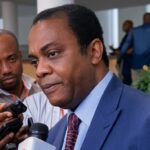
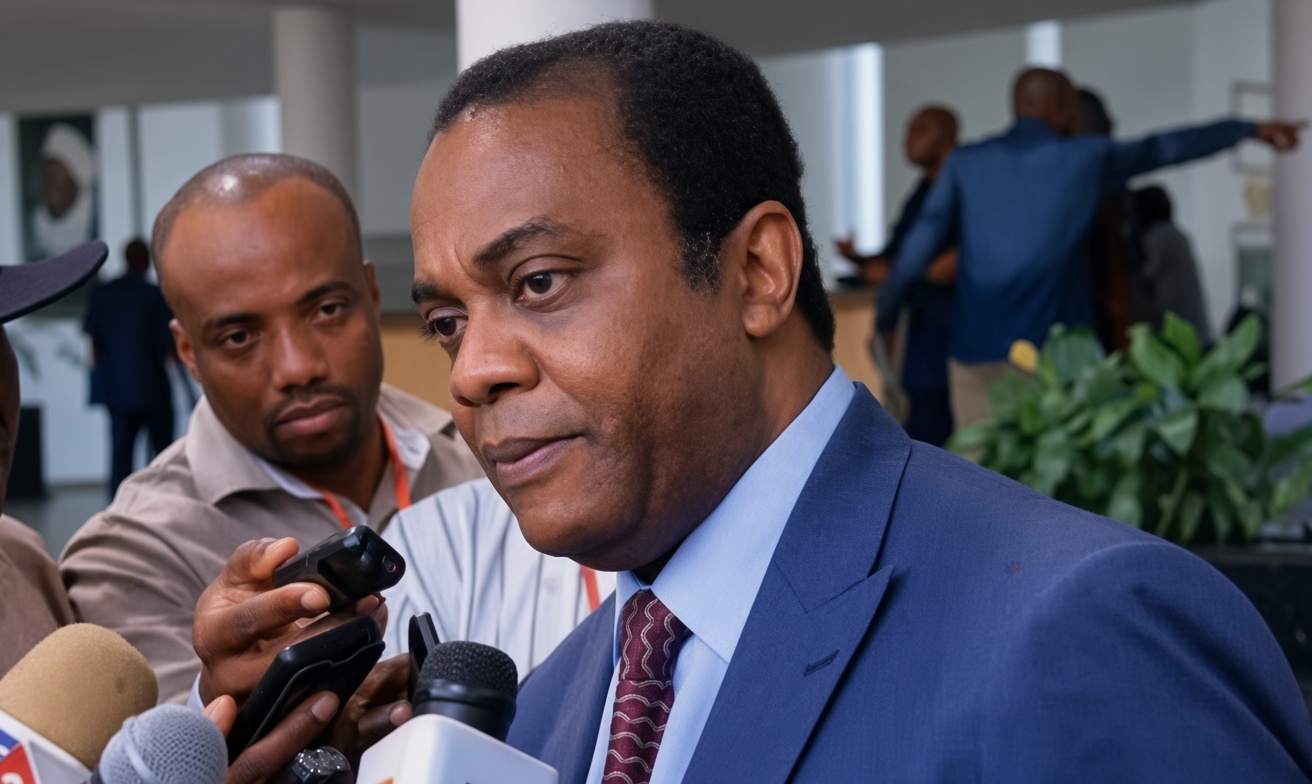
Former Cross River State governor and presidential candidate of the Peoples Redemption Party (PRP), Donald Duke, said has continued to undermine the country’s development despite its enormous human and material resources.
Duke said the persistent struggle for political power and personal privileges among those entrusted with leadership had relegated the welfare of Nigerians to the background, leaving the country grappling with insecurity, unemployment, economic hardship, energy shortages and deteriorating public infrastructure.
Speaking in an online interview on Tuesday, the former governor argued that Nigeria’s greatest challenge was not a lack of resources or opportunities but a political leadership that consistently placed individual interests above the collective good, warning that the country could not achieve meaningful progress unless those seeking public office embraced sacrifice, accountability and national service.
“Leaders who see public office primarily as an opportunity for personal advancement will find it difficult to make the difficult decisions required to transform the country.
“Political leaders must be prepared to make decisions based on what is best for Nigeria rather than what is politically convenient,” he said.
Duke maintained that the failure of successive administrations to address the structural weaknesses responsible for widespread poverty and underdevelopment reflected a deeper crisis of political priorities, in which the pursuit of office had become more important than the responsibility attached to it.
He said the consequences were evident in the country’s recurring economic and security challenges, arguing that leaders who placed political survival above national development could hardly muster the courage to undertake reforms that might not produce immediate political rewards.
“Leadership requires the capacity to put the national interest ahead of personal ambition. Nigeria’s political class must also learn to work together where national interests overlap, rather than allowing competition for offices to prevent cooperation.”
The PRP presidential candidate said the problem was equally pronounced within the opposition, where competing personal ambitions often overshadowed the broader responsibility of presenting Nigerians with credible political alternatives.
“Politicians who genuinely want to change the country must be willing to sacrifice individual ambitions where necessary to achieve a larger national objective.
“The obsession with who would occupy political offices had often overshadowed the more important question of what those offices should be used to accomplish,” he said.
Duke argued that Nigeria needed a new breed of political leadership capable of taking difficult decisions, managing public resources responsibly and pursuing long-term development programmes without being driven solely by immediate political considerations.
He expressed concern that the country had continued to move from one administration to another without addressing the fundamental weaknesses that had kept millions of citizens in poverty, insisting that the cycle would persist unless political leaders changed their approach to governance.
“The country could not continue to move from one administration to another without addressing the structural weaknesses that had kept millions of citizens in poverty,” he said.
Turning to the 2027 presidential election, Duke acknowledged that the emergence of multiple opposition candidates could divide votes but maintained that resolving the problem required more than simply asking individuals to abandon their presidential ambitions.
He said opposition politicians must first develop a credible political arrangement that would enable them to identify areas of agreement, reconcile differences and work towards a common platform capable of providing Nigerians with a genuine alternative.
According to him, political cooperation should be driven by shared national objectives rather than merely the struggle to determine who occupies particular offices.
“The objective should be to give Nigerians a genuine choice at the ballot box. My political experience has given me a clearer understanding of the challenges involved in governing Nigeria.
“The country needed leadership capable of making difficult decisions, managing resources responsibly and creating an environment for businesses and citizens to prosper,” he said.
Duke also defended his participation in the presidential race, explaining that his ambition was not merely to occupy the presidency but to contribute to efforts to redefine governance and demonstrate that Nigeria could be administered differently.
“It is about helping to reshape the political conversation and demonstrating that Nigeria could be governed differently. Opposition politicians should focus less on individual ambition and more on the national interest.
“If political leaders could overcome their differences and work together, the opposition could become a serious force,” he said.
He called for a fundamental change in Nigeria’s political culture, stressing that public office must be regarded as a responsibility to the people rather than an entitlement or avenue for personal advancement.
“Public office should be regarded as a trust rather than a personal entitlement. Nigeria’s leadership crisis is ultimately a crisis of priorities: whether political leaders choose to serve themselves or serve the country,” Duke declared.