Follow Us on Google
The Federal Government plans to build a 90,000-kilometre open-access fibre network across Nigeria’s 36 states by 2028, connecting more than 200,000 schools, health facilities and other public institutions.
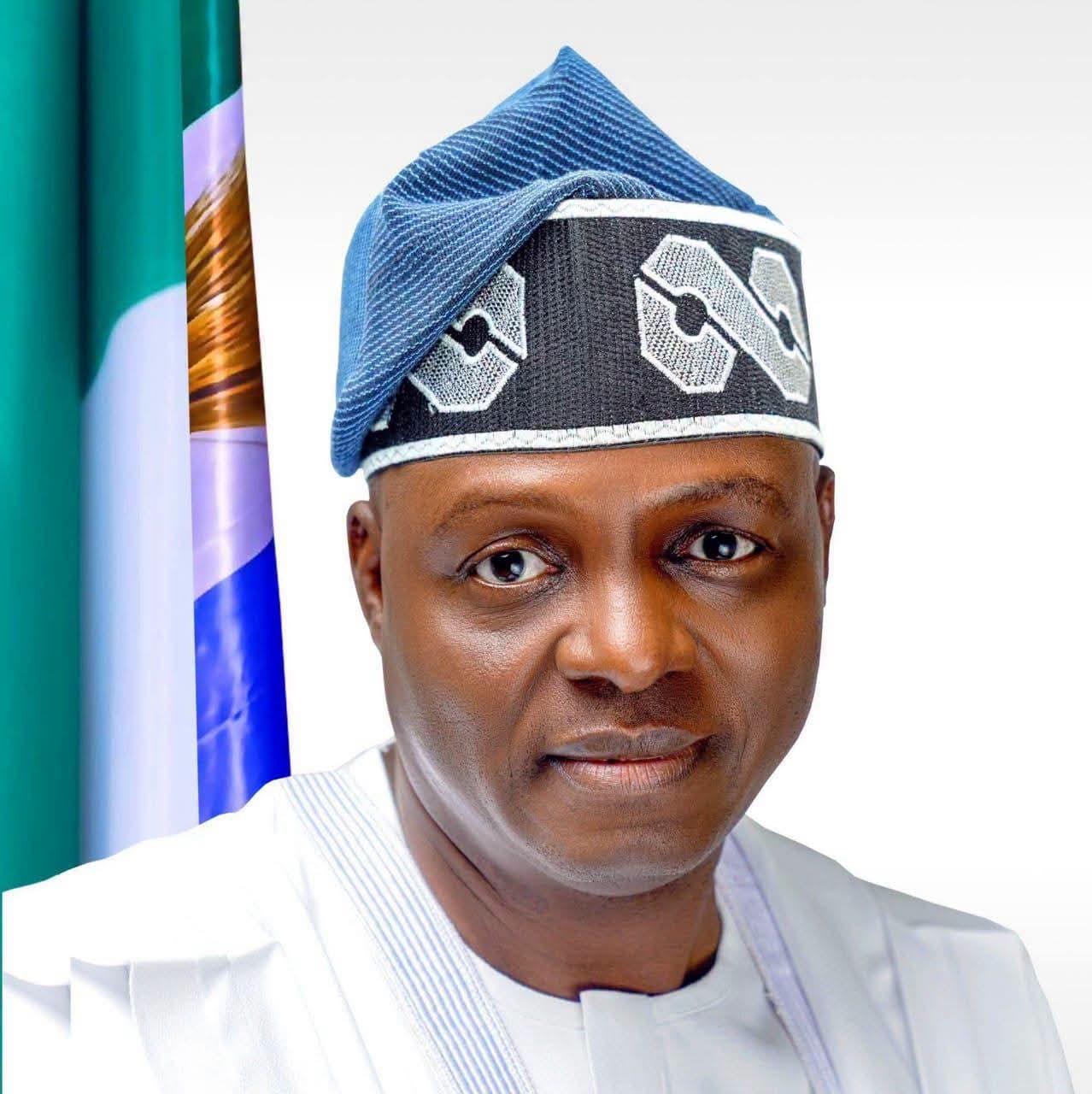
National Chairman of the All Progressives Congress (APC), Prof. Nentawe Yilwatda, said the project required about $1.2 billion in private investment to close its financing gap.
Project BRIDGE is expected to expand Nigeria’s fibre backbone from about 35,000 kilometres to 125,000 kilometres, improving public-sector connectivity and extending broadband access nationwide. Physical rollout is scheduled to begin this month, with the delivery period reduced from five years to three.
Speaking during a virtual executive session with information technology chief executives on Wednesday, Yilwatda said the Federal Government incorporated Bridge Open Access as an independent company in August to deliver the network.
The Ministry of Finance Incorporated is expected to hold between 25 and 49 per cent of the company, while private investors would own between 51 and 75 per cent and retain operational control. The structure, he said, would limit government’s investment risks while allowing the private sector to provide capital, operational discipline and efficiency.
In a statement issued yesterday by his Special Adviser on Media and Information Strategy, Abimbola Tooki, Yilwatda said about $800 million in sovereign financing had been secured: $500 million from the World Bank, $100 million from the European Bank for Reconstruction and Development and $200 million from the African Development Bank. The project also has a €22 million European Union grant.
He warned, however, that success depended on attracting the outstanding private capital and converting policy commitments into construction. “Announcements do not lay cable.”
Yilwatda described affordable, reliable connectivity as essential to Nigeria’s ambitions in artificial intelligence, cloud computing and the digital economy. But he cautioned that fibre deployment alone would not guarantee digital inclusion.
He said complementary investment was needed in electricity, affordable devices and data services, telecommunications towers, backhaul infrastructure and connections to homes and businesses.
Fibre infrastructure remains concentrated in major urban centres, with Lagos and the Federal Capital Territory accounting for more than 18 per cent of deployed fibre. Fibre-to-the-home subscriptions, he said, stood at approximately 265,000 nationwide.
He identified inconsistent right-of-way charges, multiple permits and damage caused by state and local authorities as major barriers to expansion.
To address them, Yilwatda said the APC National Secretariat would work with the Progressive Governors’ Forum and the party’s state chapters to promote harmonised, cost-reflective right-of-way terms and practical protection measures in APC-governed states. He also invited governors from other political platforms to participate, saying connectivity should be treated as a national development priority.
Other News
“Infrastructure has no party. Our objective should be to create an environment in which every Nigerian, regardless of political affiliation or location, can benefit from the digital economy,” he said.
Yilwatda called for fibre-optic infrastructure to be designated Critical National Information Infrastructure, warning that vandalism and accidental damage could undermine major public and private investments.
Road construction, excavation and other civil works cause many fibre cuts, he said, describing the problem as a coordination failure that better planning could prevent.
He commended the Federal Ministries of Works and Communications, Innovation and Digital Economy for establishing a Standing Committee on the Protection of Fibre Optic Cables, but urged its extension to states and local governments.
He proposed that every federal and state road contract include telecommunications ducts and require contractors to identify and protect existing fibre before excavation.
“Building a road and destroying a broadband link in the same month is not development. It is waste,” he said.
Yilwatda urged Nigeria to build the capacity to develop and benefit from artificial intelligence.
“The question for Nigeria is not whether AI will shape our economy. It will. The question is whether we will shape it, or simply rent it.”
He said the National Digital Cloud Policy sought to attract approximately $750 million in private investment for cloud and data infrastructure within 24 months, including $250 million in the first year.
Government and industry are also working to expand data-centre capacity from approximately 50 megawatts to 200 megawatts of IT load over five years. Yilwatda stressed that achieving the target would require parallel investment in reliable electricity.
“An AI strategy without an energy strategy is incomplete,” he said, advocating embedded generation, renewable power purchase arrangements and dependable gas supplies for digital infrastructure clusters.
He supported strengthening domestic technology providers and protecting critical data, but warned against policies that could raise costs, discourage investment or restrict access to international expertise in the name of digital sovereignty.