Follow Us on Google

• Says sharing polling-unit figures won’t usurp commission’s powers
From Ndubuisi Orji, Abuja
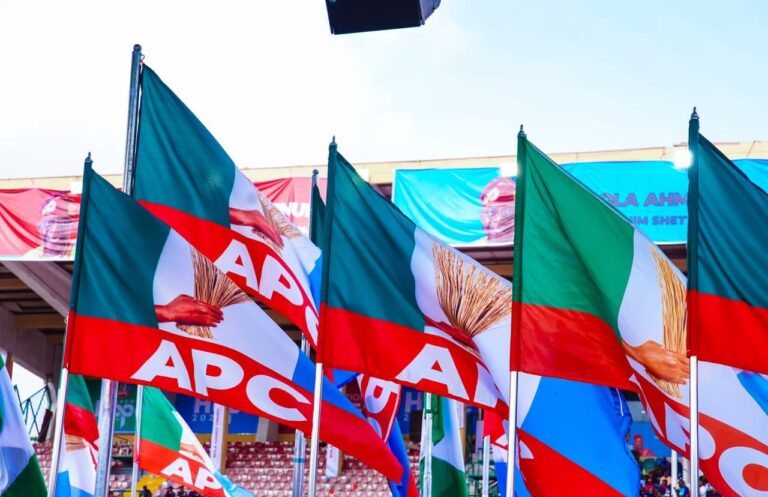
The African Democratic Congress (ADC) has said it will independently collate and publish results of the 2027 general election, insisting that INEC’s statutory responsibility to declare official results and winners does not override citizens’ right to collect and share polling-unit figures.
The party said its agents would document results at polling units, its structures would collate them and verified figures would be released to the public, with their source and status clearly identified.
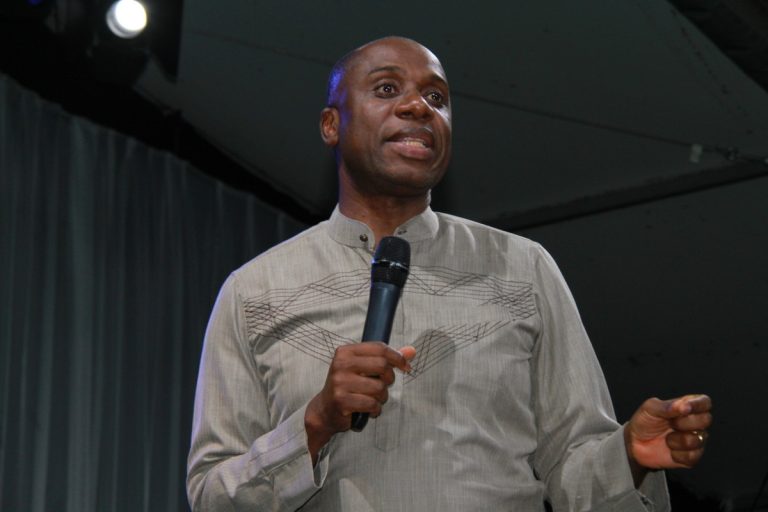
In a statement by its National Publicity Secretary, Bolaji Abdullahi, yesterday, the ADC was responding to a warning by the Chairman of the Independent National Electoral Commission (INEC), Professor Joash Amupitan, against declaring privately collated results.
The ADC said parties, candidates, agents and other citizens may record polling-unit figures, collate information from available result forms and publish independently verified data, provided they clearly identify it as privately compiled and do not present it as an official declaration.
It acknowledged that only INEC has the statutory authority under the Electoral Act to collate results at the prescribed levels, declare the official outcome and announce winners. The party, however, maintained that this authority does not prevent citizens or political parties from collecting and sharing election information.
The ADC said its position was grounded in the constitutional right to freedom of expression, subject to lawful restrictions. It added that its figures would be published to promote transparency and public access, not to replace INEC’s official process.
Amupitan issued his warning at a press conference and national stakeholders’ meeting in Abuja on Tuesday, October 6, where he addressed preparations for the 2027 elections and urged media organisations to verify election information before publication.
Other News
“Resist the declaration of privately collated results, because under the Electoral Act, the authority to declare results rests exclusively with this Commission,” he said.
The Electoral Act 2026 provides for the recording, transmission and public access of election results. Section 60 requires presiding officers to record candidates’ scores, sign and stamp the result form, obtain the countersignatures of candidates or polling agents where available, announce the result at the polling unit and transmit it electronically to IReV.
Where communication failure makes electronic transmission impossible, the signed polling-unit result sheet, Form EC8A, remains the primary source for official collation and declaration.
Section 62 allows any person or political party to obtain certified copies of results held in INEC’s National Electronic Register of Election Results upon payment of prescribed fees. Section 71 also requires copies of completed result forms at ward, local government, state and national levels to be given to polling agents and police officers where available.
These provisions allow parties and the public to obtain, preserve and publish result information, but they do not confer authority to make an official declaration or announce winners. Any privately released figures should therefore be distinguished from INEC’s certified results and final declarations.
The INEC chairman also urged newsrooms to establish fact-checking desks and use digital forensic tools, warning that artificial intelligence, cloned voices and deepfake videos could be used to fabricate statements by election officials and circulate doctored result sheets.
Access to polling-unit records was a major concern during the 2023 elections. In its final report, the European Union Election Observation Mission said delays in uploading presidential results to IReV undermined public confidence in results processing, with more than a quarter of presidential result forms still unavailable on the portal when the outcome was declared.
INEC subsequently attributed the presidential upload failure to a technical problem in the portal’s backend configuration, which prevented the system from processing presidential result sheets while uploads for National Assembly elections succeeded.
For 2027, Amupitan said the commission’s enhanced electronic result-sheet system would verify and authenticate polling-unit records before uploading them to IReV. He also said automated auditing tools were being integrated into result verification, subject to human oversight.