Follow Us on Google
By Chinenye Anuforo
[email protected]
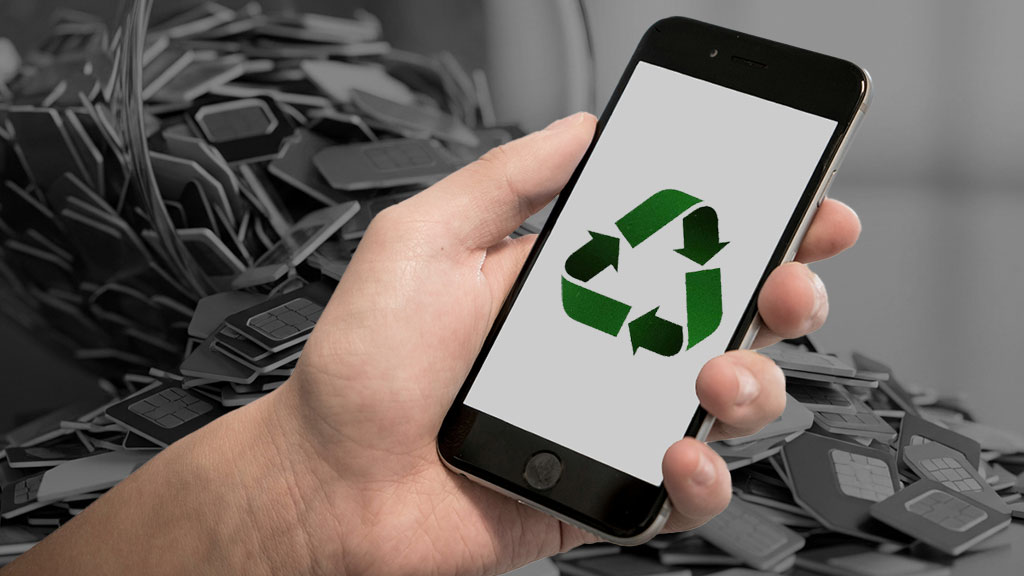
Concerns are mounting over the recycling of inactive mobile phone numbers in Nigeria following reports of subscribers receiving sensitive information belonging to previous owners of reassigned lines.
The issue recently gained attention after a subscriber shared his experience of purchasing a SIM card only to begin receiving banking transaction alerts intended for another individual. The development has reignited debate about the privacy, security and consumer protection implications of recycled phone numbers in an increasingly digital economy.
Industry experts warned that while recycling dormant numbers is a standard telecommunications practice globally, the growing role of mobile numbers as digital identities has significantly increased the risks associated with reassignment.
Today, phone numbers are linked to bank accounts, Bank Verification Numbers (BVN), National Identification Numbers (NIN), pension records, digital wallets, social media accounts and a wide range of online services.
According to data from the Nigerian Communications Commission (NCC), Nigeria had approximately 188 million active mobile subscriptions as of April 2026, highlighting the critical role mobile connectivity plays in the country’s economy.
Data from GSMA Intelligence also indicated that Nigeria had about 165 million cellular mobile connections at the end of 2025, representing approximately 69.2 per cent of the population.
Analysts say the widespread use of mobile phones for digital authentication means the consequences of recycling numbers now extend far beyond traditional voice and text services.
Privacy advocates have expressed concern that reassigned numbers may continue receiving confidential communications intended for previous owners, exposing sensitive financial and personal information to strangers.
Cybersecurity experts have also warned of broader risks.
Research conducted by researchers at Princeton University, led by Kevin Lee alongside Professor Arvind Narayanan and colleagues, found that approximately 66 per cent of sampled recycled phone numbers remained linked to accounts belonging to previous users. The researchers identified multiple scenarios in which recycled numbers could potentially be used for password resets, account recovery processes and unauthorized access to digital services. They concluded that as mobile phone numbers increasingly serve as digital identities, recycling them without adequate coordination among service providers presents significant security and privacy risks.
The findings have raised concerns about the potential for identity theft and fraud, particularly in countries where mobile numbers serve as primary authentication tools for financial and digital platforms.
The NCC has acknowledged the growing threat posed by recycled, swapped and churned mobile numbers.
Earlier this year, the commission unveiled the Telecoms Identity Risk Management System (TIRMS), a platform designed to help telecom operators, banks, regulators and other stakeholders verify the status of mobile numbers and reduce identity-related risks.
Speaking at the launch of the initiative, the Executive Vice Chairman and Chief Executive Officer of the NCC, Aminu Maida, said the increasing reliance on mobile numbers as digital identities had made it imperative to address vulnerabilities associated with churned, recycled, swapped and barred numbers. According to him, the fraudulent use of such numbers has become a significant vector for financial fraud and identity theft, making stronger collaboration among telecom operators, financial institutions, regulators and other stakeholders essential to protecting consumers and preserving trust in Nigeria’s digital ecosystem.
According to the regulator, the platform will provide real-time information on recycled and fraud-flagged numbers, helping institutions strengthen customer verification processes and reduce opportunities for abuse.
Other News
The commission has also proposed reforms requiring operators to provide a 14-day notice period before deactivating dormant SIM cards and introducing additional safeguards around the reassignment of inactive numbers.
Offering the industry’s perspective, the Chief Corporate Services and Sustainability Officer of MTN Nigeria, TobechukwuOkigbo, said the convergence of telecommunications and banking has fundamentally changed the role of mobile phone numbers in Nigeria’s digital economy.
According to him, telecom networks now underpin a significant portion of the country’s financial ecosystem, supporting one-time passwords (OTPs), USSD banking, digital transfers, fintech authentication and agent banking services. This, he said, means that once a SIM card is compromised, the security implications extend beyond telecommunications into the financial system.
“The phone number has effectively become part of the password,” Okigbo said.
He explained that one of the most overlooked vulnerabilities is the lifecycle of phone numbers. Even after a number is recycled and reassigned, traces of the previous owner’s digital identity may remain linked to banking systems, fintech platforms, merchant services and social media accounts.
“Even if the original user changes their number, not all systems update instantly. Some banking records, fintech profiles and merchant services may still hold the old number,” he said.
Okigbo argued that addressing the challenge requires stronger collaboration between telecom operators and financial institutions rather than treating SIM recycling as solely a telecommunications issue. He advocated a framework that would enable banks to receive real-time notifications whenever phone numbers are swapped, deactivated or reassigned, allowing them to promptly delink old numbers from customer accounts and trigger fresh verification before transactions are approved.
“Banks and telecom operators need to build a more coordinated security architecture together,” he said, warning that isolated controls within each sector would continue to leave exploitable gaps.
He also noted that many subscribers, particularly Nigerians living abroad, are unaware that inactive phone numbers may eventually be recycled if they are not actively maintained. While line retention services are available, he stressed that subscribers must comply with renewal requirements to retain ownership of their numbers.
Stakeholders say stronger collaboration between telecommunications operators, financial institutions and regulators will be critical in addressing the challenge.
They note that while telecom operators recycle numbers to ensure efficient utilisation of limited numbering resources, banks, fintech firms and other service providers must also improve mechanisms for updating customer records and removing abandoned phone numbers from sensitive accounts.
Telecommunications consumer advocates have also stressed the need for stronger safeguards around recycled numbers. AdeoluOgunbanjo, President of the National Association of Telecoms Subscribers (NATCOMS), has consistently advocated stronger consumer protection measures within Nigeria’s telecommunications sector, maintaining that subscribers should not bear the consequences of systemic shortcomings in mobile identity management.
Cybersecurity professionals share similar concerns. David Isiavwe, Chief Information Security Officer at Interswitch, has consistently emphasised the importance of strong digital identity management and greater collaboration among ecosystem players to combat fraud and strengthen trust in digital services. Although his comments have been made in the broader context of cybersecurity and digital trust, they reinforce growing calls for tighter controls over the reassignment of mobile numbers that have become central to financial services and digital authentication.
Analysts believe that as mobile numbers increasingly function as digital identities rather than mere communication tools, stronger governance, timely updating of customer records and improved information sharing among telecom operators, financial institutions and digital service providers will be essential to reducing the risks associated with recycled numbers.
As Nigeria’s digital economy continues to expand, experts believe the management of mobile identities will become increasingly important in protecting consumers from privacy breaches, fraud and other security threats.
For many subscribers, the growing concern is that a phone number acquired today may come with a digital history that its new owner knows nothing about.