Follow Us on Google
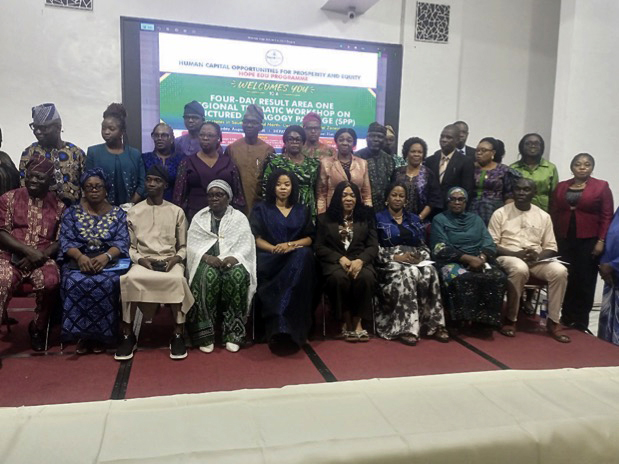
The Universal Basic Education Commission (UBEC) and the World Bank are partnering to strengthen the HOPE-EDU programme with the training of State Universal Basic Education Board (SUBEB) senior officials.
The Human Capital Opportunities for Prosperity and Equality (HOPE-EDU) programme is a Federal Government initiative supported by the World Bank to strengthen foundational learning through improved systems, institutional capacity and technical support.
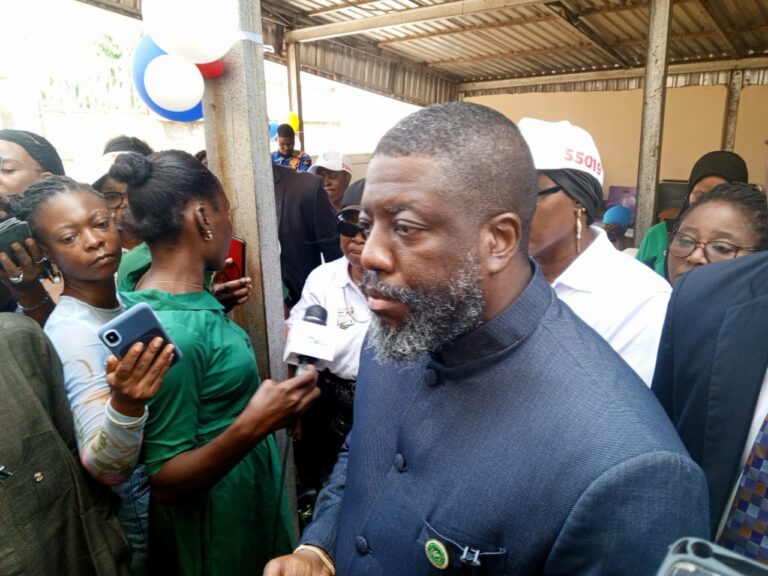
As part of the effort, a four-day Hope-Edu result Area 1 Thematic Regional workshop (phase 1) for 78 SUBEB officials, which include directors and other support officers from South West and North Central geo-political zones kicked off in Lagos.
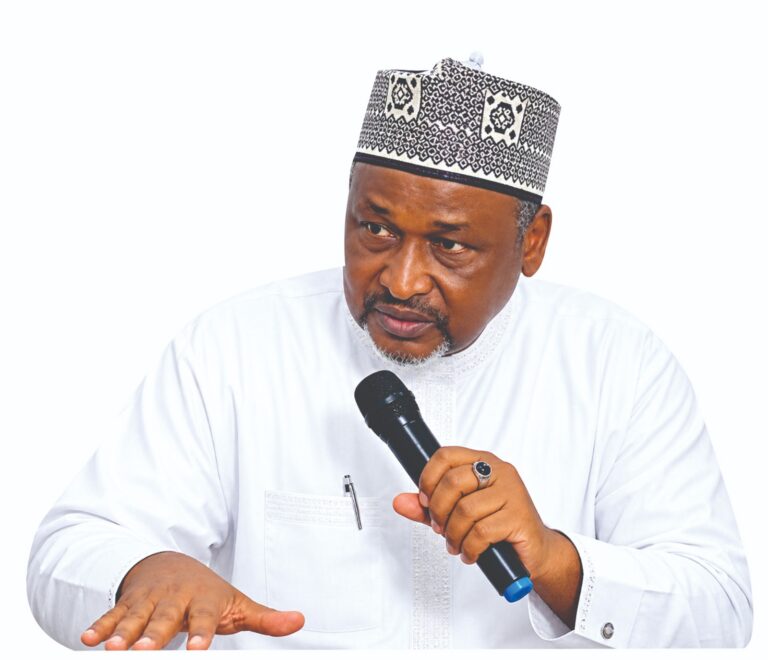
In her address, the Executive Secretary of UBEC, Dr. Aisha Garba, said the gathering is not just another training session; but a defining moment in ‘’our collective mission to strengthen the foundations of basic education in Nigeria’’.
She said: “Education remains the cornerstone of national development. The Federal Government, in partnership with the World Bank, is fully committed to ensuring that the HOPE‑EDU Programme delivers qualitative outcomes. Your presence here today demonstrates a shared dedication to the future of the Nigerian child.”
Garba who was represented by UBEC Director, North Central, Elder Edward Abalaka, observed that the strong composition of state delegates — directors of academic services, teacher professional development, monitoring and evaluation, procurement, and PRS/EMIS, alongside their support officers, reflects the whole‑of‑system approach required for success.
According to the ES, the theme of the workshop, “Strengthening Foundations: Implementing the Structured Pedagogy Package,” captures the essence of the training and that over the next few days, the workshop will focus on equipping state Ministries of Education and SUBEBs with the tools, strategies, and accountability mechanisms required to transform classrooms across the nation.
“The first workshop on the Structured Pedagogy Package (SPP) will build capacity in teaching and learning materials, teacher training, and learning evaluations. This evidence‑based approach is designed to measurably improve literacy and numeracy outcomes. The second workshop on the Book Supply Chain and Track‑and‑Trace system will ensure that quality materials reach the right schools and students, with transparency and accountability at every stage,’’ she noted.
Garba stressed that the workshop is not merely a training exercise; but a turning point, noting that result Area 1 challenges stakeholders to ensure that every Nigerian child can read, write, and count with confidence.
She added: “The Structured Pedagogy Package is our instrument of change — from teacher training to transparent book supply chains. By November 15, 2026, your states must demonstrate readiness. This is not negotiable. It is the gateway to unlocking the first round of programme disbursements and, more importantly, the future of our children.”
In her remarks, the Program Manager, HOPE-EDU programme, Dr. Aisha Abdul, disclosed that since February, UBEC worked closely with World Bank team, consultants, experts and states to prepare the ground for reforms that the workshop will help translate into action.
Abdul stated: “The Structured Pedagogy Package is not just about inputs it is about outcomes: ensuring every child has access to quality teaching, effective materials, and rigorous evaluation. Over the coming days, our teams will guide you through implementation.“
Other News
She reminded the 78 SUBEB officials to remember November 15, 2026 as the deadline for submission of state action plan and stressed that the programme thrives because of stakeholders’ collective commitment.
Abdul acknowledged that education as the bridge between potential and prosperity and today, saying, “we gather to strengthen that bridge. Together, we can ensure that the foundations we lay here in Lagos will echo in classrooms across Nigeria for generations to come.”
Representative of World Bank, Elice Elegbe, pledged that the global finance institution would to partner with the Federal Government to strengthen basic education in the various states.
Elegbe however stressed that there are several responsible on the shoulders of states to boost and promote the foundations of basic education in the country.
Representative of the Federal Ministry of Education, Mr. Kigbu Johnson, described the four-day workshop as an effort to strengthen the future Nigerian children.
Johnson stressed that basic education is crucial to the foundation of the nation’s education sector and that workshop is an attempt to get things right at the basic level.
The commission said the workshops will be implemented in three phases Lagos (phase 1), Uyo (phase 2), and Kano (phase 3), covering the six geopolitical zones.
In a brief, UBEC said the workshops are designed to translate the programme’s objectives into practical support for states, equipping relevant federal and state officials with the knowledge, tools and systems required to strengthen implementation.
The commission noted that the workshops will provide an opportunity to demonstrate the Federal Government’s commitment to strengthening foundational learning, improving the quality and availability of teaching and learning materials, and building transparent and accountable systems for education service delivery.
According to UBEC, the engagement is expected to position not simply as a technical workshop, but as an important step in translating HOPE-EDU’s investments and objectives into practical improvements at state and school levels, and contributes to better teaching and learning outcomes for the Nigerian children.
“The three phases are designed to provide states across all six geopolitical zones with the technical guidance, institutional support and tools required for effective implementation of RA1,” the commission noted.