Follow Us on Google

The World Health Organisation (WHO) has called on global leaders and citizens to boldly recognise and address the inequalities which are holding back progress in ending AIDS; and equalise access to essential HIV services, especially for children and key populations and their partners. These include homosexual men, transgender people, people who use drugs, sex workers and people in prisons.
The global health agency made the call on December 1 as part of activities commemorating the 2022 World AIDS Day under the theme “Equalise.” The agency also observed that “the global HIV response is in danger, as HIV remains a major public health issue that affects millions of people worldwide.”
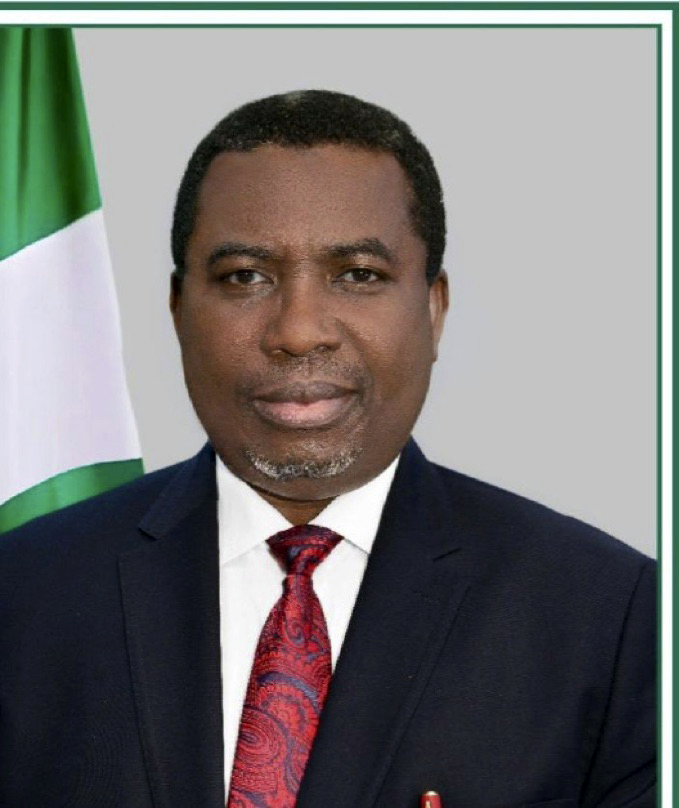
In Nigeria, the National Agency for the Control of AIDS (NACA) is committed to the 2030 deadline for ending the pandemic globally. The Director-General of NACA, Dr. Gambo Aliyu, has expressed optimism that Nigeria will achieve the 2030 goal if there is equal access to essential HIV services.
The Joint United Nations Programme on AIDS (UNAIDS) said that about 38.4 million people were living with HIV in 2021, while 1.5 million people became newly infected with HIV in 2021. Not less than 650,000 people died from AIDS-related illnesses in 2021. Also, 28.7 million people accessed antiretroviral therapy in 2021.
About 84.2 million people have become infected with HIV since the start of the epidemic. In all, 40.1 million people have died from AIDS-related illnesses since the start of the epidemic. In Africa, about 25.6 million people were living with HIV in 2021. Currently, about 1.8 million people are living with HIV in Nigeria.
The United Nations Children’s Fund (UNICEF) said that around 110,000 children and adolescents (0-19 years) died from AIDS-related causes during 2021, according to its latest global statistics on children and HIV and AIDS. Also, another 310,000 were newly infected, thus bringing the total number of young people living with HIV to 2.7 million. Regrettably, it warns that progress in HIV prevention and treatment for children, adolescents, and pregnant women has nearly flatlined over the past three years, with many regions still not at pre-COVID-19 coverage.
According to UNICEF Associate Chief of HIV/AIDS, Anurita Bains, “though children have long lagged behind adults in the AIDS response, the stagnation seen in the last three years is unprecedented, putting too many young lives at risks of sickness and death.”
Nigeria and other countries affected by the pandemic must address the challenge and curb further spread of the pandemic with renewed political commitment to reaching the most vulnerable and scaling up resources for HIV/AIDS programmes. Therefore, the government and other stakeholders in the war against the disease must work together to equalise access to essential HIV services, especially for children, pregnant women, key populations and their partners, as well as those in close settings, who are often forgotten.
Considering the reduction in donor funding, we call on the government to increase funding for HIV/AIDS intervention programmes with emphasis on access to treatment and prevention services. There is need to drastically reduce new HIV infections, ensure zero stigma and discrimination. There should be more emphasis on the prevention of mother-to-child transmission of the disease.
At the same time, HIV treatment centres must be provided in all the 36 states of the federation and in the 774 local government areas across the country. It is by increasing the treatment centres that the government can really ensure access to essential HIV services in both urban and rural areas. Moreover, people living with HIV/AIDS must be treated with respect and dignity.
In other words, their human rights must be guaranteed. While there is no cure yet for the disease, it can still be managed. HIV can be prevented by male and female condom use, testing and counselling for HIV and sexually transmitted diseases (STDs) and use of antiretroviral drugs as well as elimination of mother-to-child transmission (MTCT) of HIV.
The Federal Government should increase awareness programmes on the pandemic with particular attention to prevention and access to treatment. States and local governments should also be part of the effort to eliminate the pandemic by 2030.